
 EN
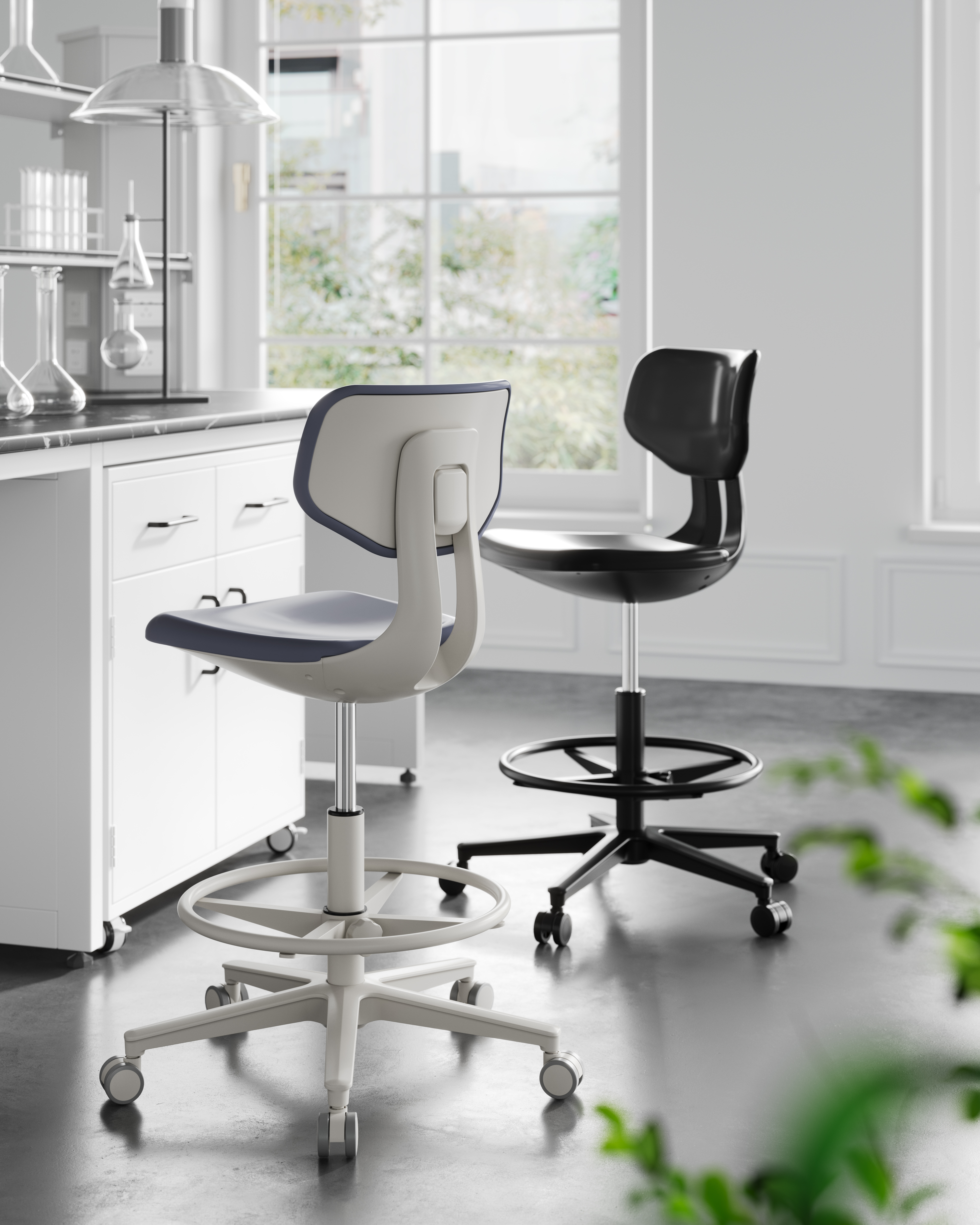
Selecting the right lab chair is a critical decision that directly impacts both worker safety and operational hygiene in laboratory environments. A proper lab chair must balance ergonomic support, chemical resistance, and compliance with industry safety standards to protect personnel during extended hours of detailed work. Whether you operate a medical laboratory, research facility, or clinical setting, understanding how to evaluate and choose a lab chair that meets safety and hygiene standards is essential for creating a professional and compliant workspace.
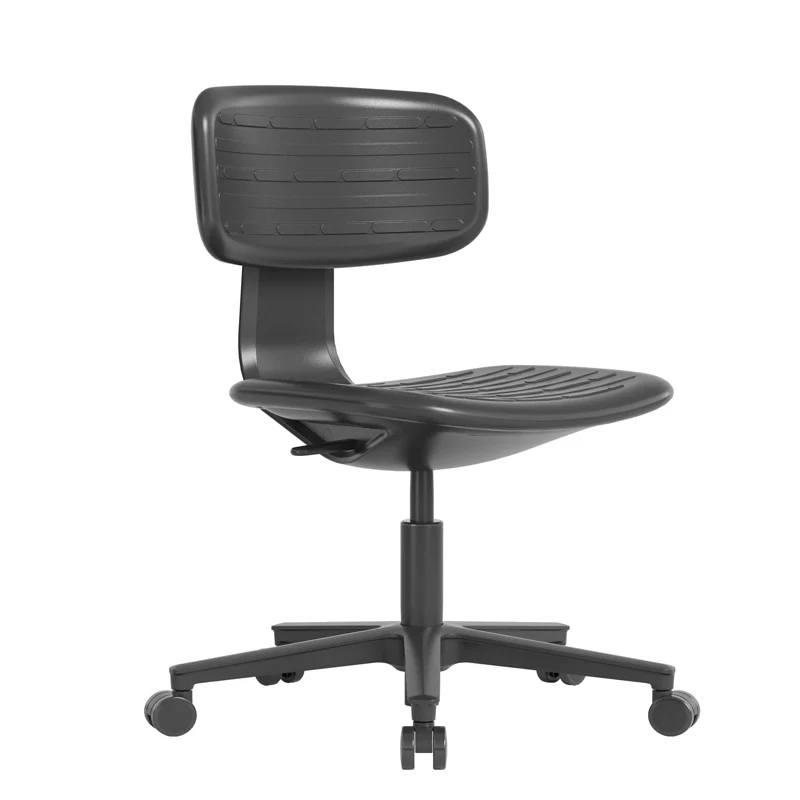
The process of selecting a lab chair involves more than just finding comfortable seating; it requires careful consideration of materials, construction, safety features, and regulatory compliance. Laboratory environments expose furniture to unique challenges including spills, chemical exposure, frequent cleaning protocols, and the need for easy disinfection. A high-quality lab chair must withstand these demanding conditions while providing the stability, support, and durability that laboratory professionals depend on throughout their workday.
Understanding Lab Chair Safety Requirements
Core Safety Standards and Certifications
A lab chair must comply with recognized safety standards that vary depending on your specific laboratory type and location. The most common certifications for laboratory furniture include ANSI (American National Standards Institute) compliance, ISO standards, and industry-specific regulations for medical, pharmaceutical, or research laboratories. When evaluating a lab chair, verify that it meets or exceeds relevant safety standards for your jurisdiction and specialty. This ensures that the lab chair provides appropriate structural integrity, stability, and protection against potential hazards inherent to laboratory work.
Anti-static properties represent another critical safety feature for many laboratory applications. If your facility works with electronic equipment, sensitive instruments, or electrostatic discharge (ESD) sensitive materials, your lab chair must include conductive properties to prevent static buildup. An ESD-compliant lab chair reduces the risk of equipment damage and protects personnel working with sensitive components. Verify that any candidate lab chair carries proper ESD certification and includes features such as conductive wheels, static-dissipative upholstery, and grounding mechanisms that meet your facility's electrical safety requirements.
Structural Stability and Load Capacity
Every lab chair must demonstrate robust structural design that prevents tipping, rolling, or failure during normal laboratory use. Inspect the base, wheels, and overall frame construction of any lab chair you consider for purchase. A stable lab chair typically features a five-point or wider base with heavy-duty casters, reinforced seating mechanisms, and high-quality hydraulic cylinders that maintain consistent height and support. Load capacity specifications should exceed your facility's typical user range, providing safety margin and extended equipment lifespan for your lab chair investment.
Hygiene and Material Selection for Lab Chairs
Chemical-Resistant and Cleanable Materials
Laboratory environments demand materials that resist chemical exposure, staining, and degradation while remaining easy to clean and disinfect. The upholstery of your lab chair should consist of synthetic, non-porous materials such as polyurethane, vinyl, or specialized laboratory-grade fabrics that withstand regular exposure to disinfectants, alcohols, and mild chemical agents. These materials prevent absorption of liquids and contaminants, allowing your lab chair to maintain hygiene standards across repeated cleaning cycles. Avoid natural fibers or breathable fabrics that absorb liquids and harbor bacteria; laboratory-grade synthetics provide superior protection.
Seamless or minimally-seamed upholstery construction reduces harboring sites for bacteria and contaminants on your lab chair. When examining lab chair options, look for smooth, continuous surfaces without crevices where spilled chemicals or biological materials could accumulate. The base, armrests, and all exposed components of your lab chair should feature similar smooth, cleanable construction. Quick-drying properties enhance your lab chair's hygiene profile by preventing moisture accumulation that could promote mold or bacterial growth between cleaning sessions.
Disinfection-Friendly Design Features
A practical lab chair accommodates your facility's standard disinfection protocols without requiring specialized cleaning equipment or extended downtime. Removable or wipeable seat and back cushions on your lab chair simplify the disinfection process and allow components to air-dry independently. Metal frame components should feature smooth surfaces and corrosion-resistant finishes that tolerate repeated exposure to disinfectants without degrading. The wheels and height adjustment mechanisms of your lab chair should be sealed or enclosed to prevent liquid penetration that could compromise functionality or harbor contamination.
Ergonomic Design and Regulatory Compliance
Adjustability and Support Features
Comprehensive adjustability ensures that your lab chair accommodates diverse user body types and provides personalized ergonomic support for extended work sessions. Essential adjustment features on a quality lab chair include seat height, backrest angle, armrest positioning, and lumbar support customization. These adjustments allow each laboratory professional to optimize their lab chair configuration for their specific workstation setup and physical requirements. Proper ergonomic configuration of your lab chair reduces fatigue, improves posture, and minimizes repetitive strain injuries that could compromise worker productivity and safety.
The height range of your lab chair becomes particularly important when matching the seating to laboratory workstations, microscopes, or specialized equipment. Measure your existing workstation heights and verify that candidate lab chair models can achieve the necessary sitting height range without requiring complete base replacement. A lab chair with gas lift adjustment provides smooth, tool-free height modification that accommodates multiple users or shift changes throughout the day. Pneumatic systems in modern lab chair designs offer durability and consistency that manual or lever-based adjustment mechanisms cannot match.
Compliance with Workplace Ergonomics Standards
Many jurisdictions enforce ergonomics regulations that directly affect laboratory seating requirements, making your lab chair selection a compliance matter rather than merely a comfort preference. OSHA guidelines, industry-specific ergonomic standards, and occupational health regulations typically establish minimum requirements for lab chair features and adjustability. Consulting your facility's occupational health and safety team during the lab chair selection process ensures that your choice aligns with all applicable regulations. Documentation of compliance features on your lab chair installation protects your organization and demonstrates commitment to worker safety and wellness.
Practical Selection and Implementation Guidance
Evaluating Durability and Total Cost of Ownership
While initial purchase price matters, evaluating the total cost of ownership for your lab chair investment provides more accurate financial perspective. A high-quality lab chair may command premium upfront pricing but delivers superior durability, lower maintenance costs, and extended service life compared to budget options. Assess warranty coverage, replacement parts availability, and maintenance requirements when comparing lab chair candidates. Consider that a durable lab chair requiring minimal repairs and replacement components may prove significantly more economical than a cheaper option requiring frequent servicing or eventual replacement.
Manufacturer reputation and customer support capabilities strengthen the value proposition of your lab chair purchase. Research supplier reliability, warranty terms, and their responsiveness to service issues or parts replacement requests. A responsive supplier ensures that problems with your lab chair receive prompt attention, minimizing downtime and maintaining laboratory operational efficiency. Select lab chair suppliers who provide detailed product specifications, certification documentation, and technical support that matches your facility's complexity and requirements.
Implementation and Worker Training
Successfully implementing new lab chair furniture involves more than simply replacing old seating with new units. Provide training to all laboratory personnel on proper adjustment, maintenance, and cleaning protocols for your new lab chair equipment. Clear labeling and documentation on adjustable features ensure that each user can optimize their lab chair configuration independently. Regular maintenance schedules, including disinfection protocols and mechanical inspections, extend the lifespan of your lab chair and maintain compliance with hygiene standards throughout its service life.
FAQ
What certifications should I look for when selecting a lab chair?
Look for ANSI compliance, ISO standards certification, and industry-specific approvals relevant to your laboratory type. If your facility requires ESD protection, ensure your lab chair carries proper electrostatic discharge certification and includes conductive components. Medical and pharmaceutical facilities may require additional certifications specific to their regulatory environment. Always request complete documentation from suppliers confirming that your lab chair meets all applicable standards for your location and specialty.
Can a standard office chair work in a laboratory setting?
Standard office chairs are generally unsuitable for laboratory environments due to incompatible material properties and hygiene limitations. Office furniture typically features fabric upholstery and design elements that absorb chemical spills, harbor bacteria, and resist proper disinfection protocols required in labs. A specialized lab chair incorporates chemical-resistant materials, seamless construction, and design features specifically engineered to withstand laboratory conditions. Investing in a proper lab chair protects both your facility's compliance status and your workers' safety and health.
How often should laboratory seating be replaced or serviced?
Replacement intervals for a lab chair depend on usage intensity, maintenance consistency, and material condition monitoring. Most quality lab chair equipment lasts five to ten years with proper maintenance and regular inspection of mechanical components. Schedule routine maintenance at least annually to inspect hydraulic systems, wheel functionality, and structural integrity. Replace your lab chair promptly if upholstery develops cracks or tears that compromise hygiene, if mechanical adjustments become unstable, or if safety features no longer meet regulatory requirements.


