
 EN
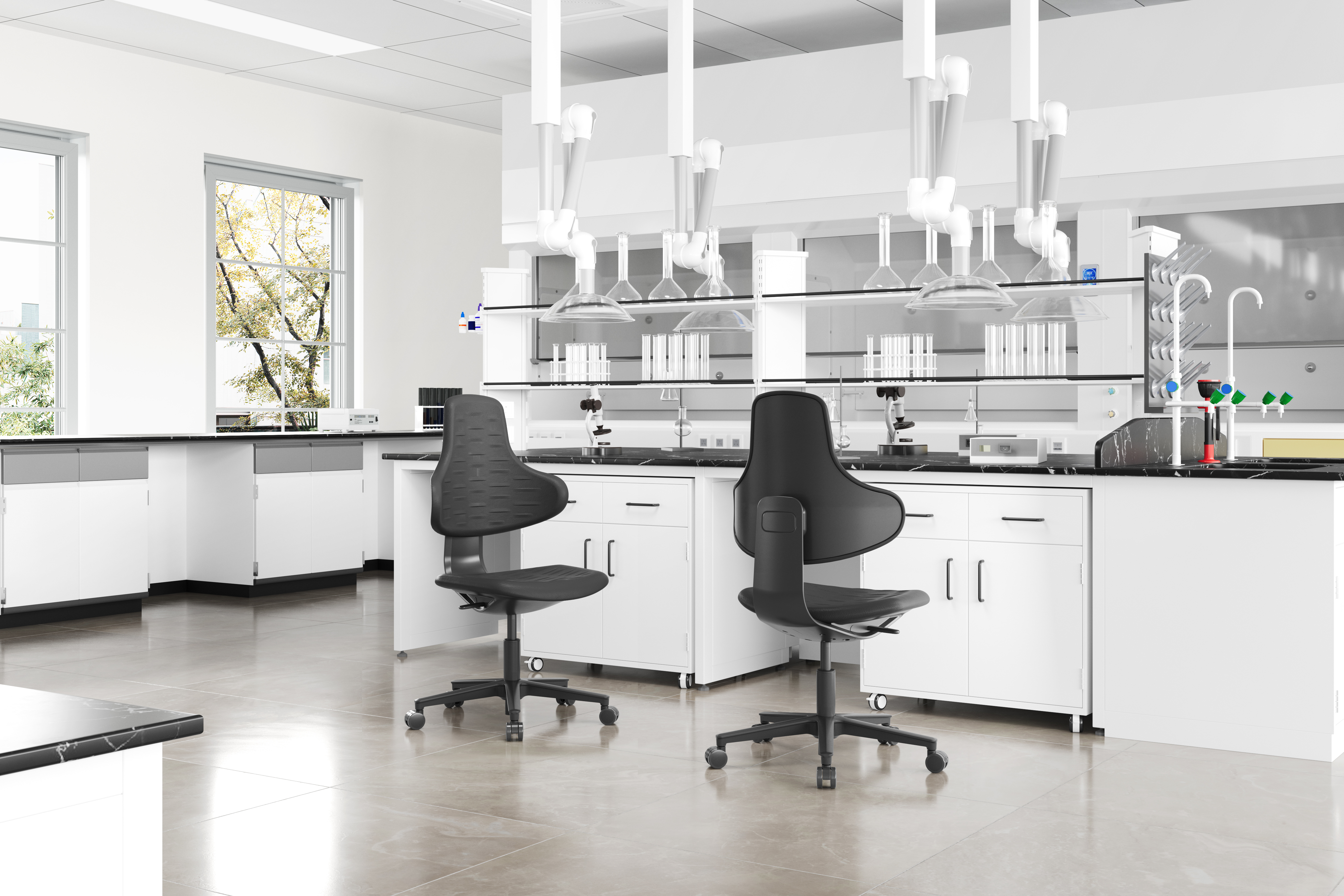
Selecting the right seating for a laboratory environment is far more than a comfort consideration. A proper lab chair directly influences operator safety, productivity, and compliance with regulatory standards that govern modern laboratory operations. Understanding why laboratories specifically require adjustable and anti-static lab chair designs reveals the critical intersection of ergonomics, electrical safety, and occupational health in scientific and industrial settings.
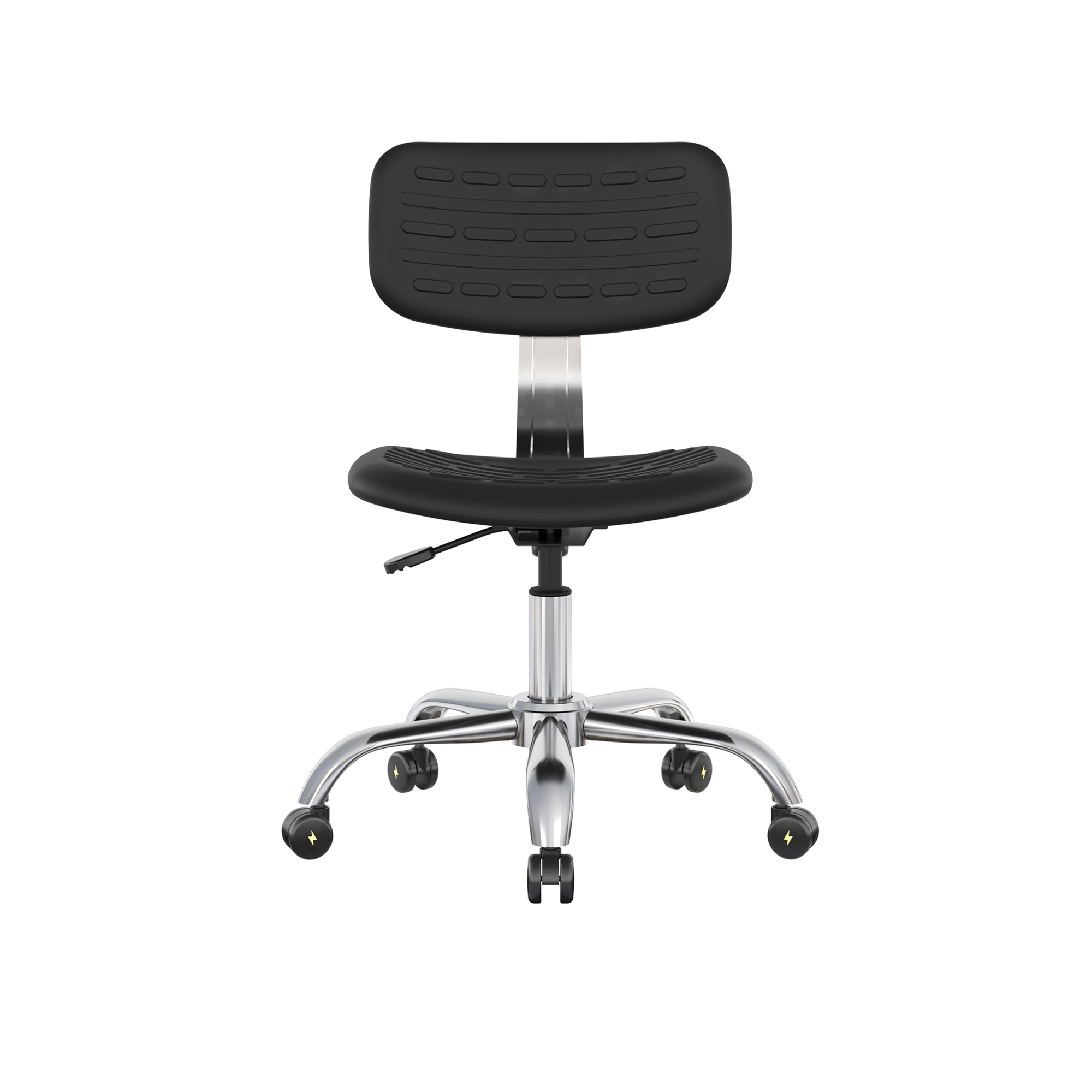
The design specifications of a lab chair extend well beyond typical office furniture standards. Laboratories operate with sensitive equipment, hazardous materials, and precise processes where even minor distractions or safety lapses can result in costly errors or dangerous incidents. A high-quality lab chair must address multiple simultaneous requirements: it must protect personnel from electrostatic discharge, accommodate diverse body types and work heights, resist chemical exposure, and maintain ergonomic support during extended work periods.
The Critical Role of Adjustability in Laboratory Environments
Height and Posture Alignment for Precision Work
Laboratory work often demands sustained focus on microscopes, analytical instruments, and sample preparation areas positioned at specific heights. An adjustable lab chair enables technicians to align their eyes, arms, and torso with equipment precisely, reducing neck strain and eye fatigue during long analytical sessions. When a lab chair lacks proper height adjustment, operators may adopt compensatory postures that lead to repetitive strain injuries over time. The ability to fine-tune seat height ensures that every user, regardless of stature, can maintain neutral spine alignment while performing critical tasks. This adjustability also accommodates different workstation configurations, allowing a single lab chair to serve multiple roles across the laboratory.
Footrest and Armrest Positioning for Comprehensive Support
Beyond seat height, a versatile lab chair should offer adjustable footrests and armrests that adapt to individual morphology and task requirements. Many laboratory procedures require sustained arm positioning at specific angles for micropipetting, gel electrophoresis setup, or chemical handling. When a lab chair provides full positional adjustment, operators can distribute weight evenly, reducing pressure on joints and muscles. Adjustable footrests prevent dangling legs that cut off circulation, particularly important during shifts exceeding eight hours. This comprehensive adjustability transforms a lab chair from a static furniture piece into an ergonomic instrument that supports long-term occupational health and prevents musculoskeletal disorders among laboratory staff.
Electrostatic Discharge Protection as a Non-Negotiable Safety Feature
Understanding ESD Hazards in Laboratory Settings
Electrostatic discharge poses an invisible but severe threat in laboratories where sensitive electronics, semiconductors, or volatile compounds are handled. A lab chair designed with anti-static properties prevents the buildup and release of static electricity that could damage equipment or trigger chemical reactions. Standard office chairs typically use materials and construction methods that allow static charge accumulation, creating genuine safety risks in controlled environments. An anti-static lab chair features conductive materials, grounded components, and dissipative surfaces that channel electrical charge safely to ground through the lab chair frame. This protection becomes mandatory in cleanrooms, pharmaceutical manufacturing areas, semiconductor testing facilities, and any space where static sensitivity is documented in safety protocols.
Material Science and Conductive Design Specifications
The anti-static properties of a lab chair depend on careful material selection and engineering. High-quality anti-static lab chair designs typically incorporate conductive polyurethane foam, specially treated fabrics, and dissipative coating systems that maintain consistent electrical properties across the entire seating surface. The lab chair frame itself must use materials and finishes that support charge dissipation without creating sharp edges or corrosion points. Casters and base components in an anti-static lab chair require conductive elements that maintain continuity with grounding systems installed in laboratory flooring. This technical specification distinguishes a truly protective lab chair from generic seating that merely claims static resistance without validated testing. Proper anti-static lab chair construction ensures that operators remain safely isolated from electrostatic hazards throughout their workday.
Chemical Resistance and Durability Requirements in Harsh Laboratory Conditions
Material Compatibility with Laboratory Chemicals and Cleaning Protocols
Laboratories regularly expose equipment to solvents, acids, bases, disinfectants, and other chemical agents. A lab chair must withstand these substances without degrading, staining, or releasing harmful compounds into the work environment. Standard upholstery materials and adhesives used in conventional office seating break down rapidly under chemical exposure, compromising both the lab chair structure and safety. Professional lab chair designs employ chemical-resistant fabrics, sealed seams, and specialized foam formulations that resist solvent penetration and maintain integrity after repeated cleaning. The structural components of a durable lab chair feature stainless steel or specially coated hardware that resists corrosion from chemical vapors and splash exposure. This chemical resilience extends the effective lifespan of a lab chair while maintaining the anti-static and ergonomic properties essential for laboratory safety.
Maintenance Accessibility and Cleanroom Compatibility
Cleanroom and controlled-environment laboratories impose additional demands on lab chair design. These facilities require seating that minimizes particle generation, resists off-gassing, and supports rigorous cleaning schedules without material degradation. An effective lab chair for such environments features sealed construction, minimal crevices where particles can accumulate, and materials that tolerate high-frequency disinfection cycles. The lab chair design must also consider compatibility with protective covers or coverings that enhance cleanroom compliance without compromising anti-static properties. Regular maintenance accessibility ensures that grounding connections in the lab chair remain intact and functional, a critical requirement for protecting sensitive operations and equipment from electrostatic damage.
Occupational Health and Regulatory Compliance Advantages
Meeting OSHA, ISO, and Industry-Specific Standards
Occupational safety regulations establish clear expectations for laboratory seating in regulated environments. OSHA guidelines emphasize ergonomic seating to prevent cumulative musculoskeletal disorders among workers, directly supporting the case for adjustable lab chair designs. ISO standards for cleanroom environments and electrostatic control specifically address seating requirements in sensitive facilities. Industries including pharmaceuticals, semiconductor manufacturing, and medical device assembly maintain internal standards that mandate anti-static lab chair usage in defined work areas. A laboratory chair that meets these regulatory benchmarks protects organizations from compliance violations, audit findings, and associated penalties. Beyond regulatory advantage, proper lab chair selection demonstrates organizational commitment to worker safety, improving retention and morale among technical staff.
Injury Prevention and Worker Compensation Cost Reduction
Inadequate laboratory seating contributes to work-related injuries including lumbar strain, repetitive stress disorders, and chronic pain conditions. When laboratories invest in ergonomic adjustable lab chair solutions, they reduce the frequency and severity of occupational injuries. Lower injury rates translate directly into reduced worker compensation claims, decreased absenteeism, and improved productivity metrics. An employee working in a comfortable, properly supported lab chair maintains focus and precision, directly enhancing analytical accuracy and reducing procedural errors. The financial case for premium lab chair investment strengthens when organizations track injury statistics, lost-time incidents, and associated costs before and after seating upgrades. Long-term occupational health outcomes justify the investment in quality laboratory seating from both ethical and financial perspectives.
FAQ
Why is anti-static protection necessary in every lab chair?
Anti-static protection in a lab chair is essential because standard seating allows static charge accumulation, which can damage sensitive electronic equipment, compromise semiconductor integrity, trigger chemical reactions, or create fire hazards in environments with flammable materials. A properly designed lab chair prevents these risks by dissipating electrical charge safely, protecting both equipment and personnel from electrostatic discharge events.
How does an adjustable lab chair improve laboratory productivity?
An adjustable lab chair enables operators to maintain optimal posture alignment with their specific workstations and instruments, reducing fatigue and physical strain during extended analytical work. When laboratory staff work comfortably without compensatory movements or pain, they maintain better focus, demonstrate fewer procedural errors, and sustain higher-quality results throughout their shifts, directly enhancing overall laboratory productivity and output quality.
What specific features should laboratories prioritize when selecting a lab chair?
Laboratories should prioritize anti-static specifications with documented ESD ratings, full height and postural adjustability to accommodate diverse staff, chemical-resistant materials compatible with cleaning protocols used in the facility, durable sealed construction that minimizes particle generation, and compliance certifications confirming alignment with relevant regulatory standards including OSHA and industry-specific guidelines.


