
 EN
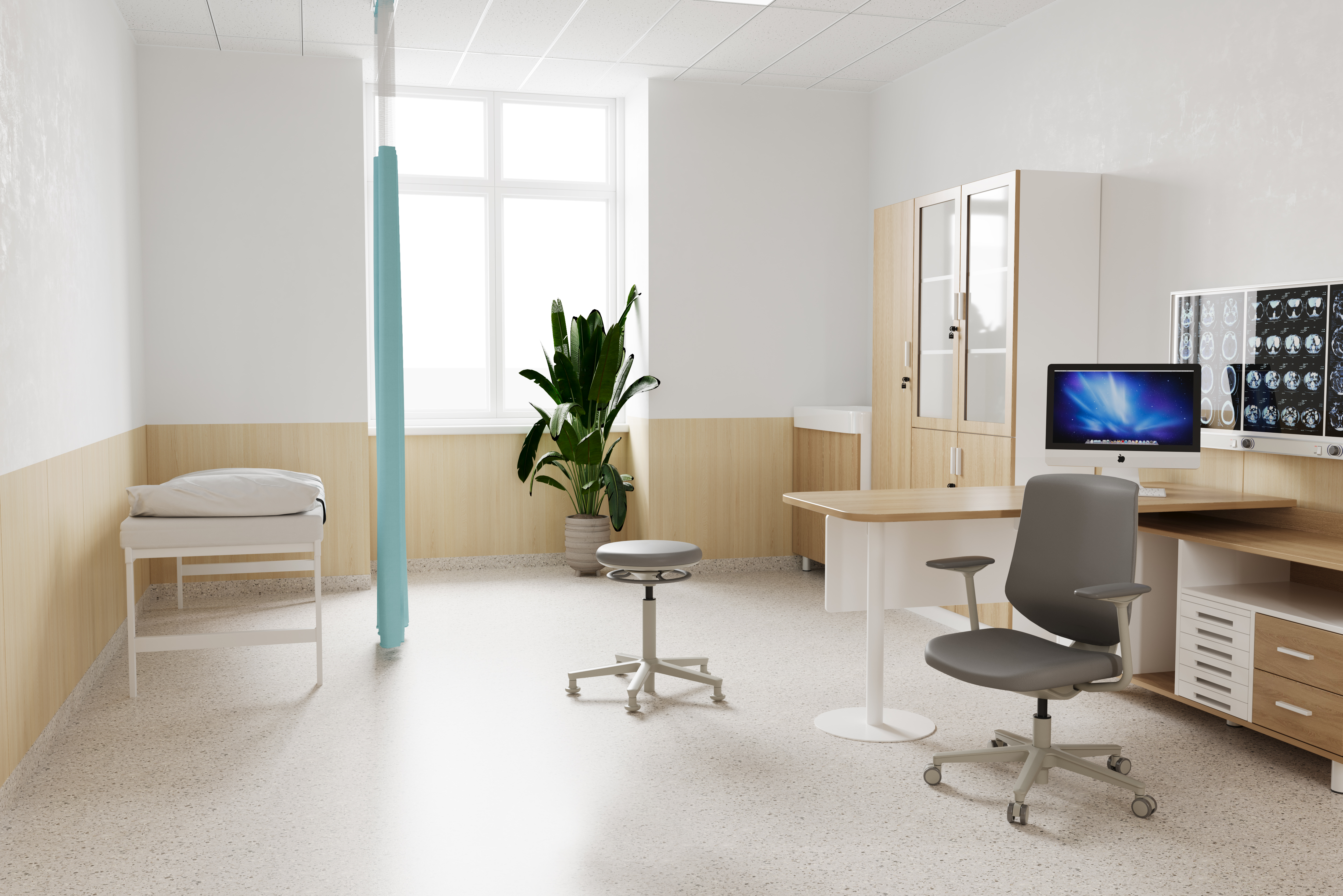
The choice of materials in a hospital chair directly impacts infection prevention, staff efficiency, and compliance with healthcare hygiene standards. Modern healthcare facilities require furniture that withstands rigorous cleaning protocols, resists bacterial colonization, and maintains structural integrity through thousands of cleaning cycles. A well-designed hospital chair combines material science with practical infection control, ensuring that every surface and component supports the facility's commitment to patient and staff safety. Understanding which materials deliver these outcomes is essential for procurement teams, facility managers, and healthcare administrators responsible for creating and maintaining sterile environments.

Healthcare facilities face increasing pressure to demonstrate effective infection prevention measures, and the materials selected for a hospital chair play a central role in this strategy. Surfaces that are difficult to clean, harbor moisture, or degrade under chemical disinfectants create hidden risks and drive up operational costs. By contrast, thoughtfully engineered hospital chair materials reduce cleaning time, minimize pathogen survival, and extend asset life. This article explores the material characteristics that define modern, hygienic hospital chair design and explains how these choices translate into measurable benefits for infection control, staff workload, and financial performance.
Material Properties That Support Hygiene Standards
Non-Porous and Antimicrobial Surfaces
The foundation of hygienic hospital chair design is the use of non-porous materials that prevent liquid and organic matter from penetrating the surface. A hospital chair upholstered with vinyl, polyurethane, or specialized medical-grade fabrics resists moisture absorption and limits the pathways through which bacteria and viruses can establish themselves. These materials are inherently resistant to mold, mildew, and biofilm formation, which are common concerns in healthcare environments where humidity levels fluctuate and cleaning intervals vary. Many modern hospital chair manufacturers incorporate antimicrobial additives directly into the material matrix, creating a passive barrier that inhibits microbial growth even between scheduled cleaning cycles.
Durability Under Chemical Disinfectants
Hospital chairs must withstand repeated exposure to potent chemical disinfectants such as quaternary ammonium compounds, hydrogen peroxide, and alcohol-based solutions without degradation. When a hospital chair is constructed from materials that maintain their integrity under these conditions, the facility's cleaning protocols become more effective and sustainable. Inferior materials may discolor, crack, or become sticky after exposure to common hospital disinfectants, increasing replacement frequency and driving up total cost of ownership. A high-quality hospital chair uses materials specifically tested for compatibility with standard healthcare disinfectants, ensuring that each cleaning cycle strengthens rather than compromises the hygiene barrier.
Common Hospital Chair Materials and Their Hygiene Performance
Vinyl and Polyurethane Upholstery
Vinyl remains one of the most widely selected materials for a hospital chair because of its proven non-porous nature, ease of cleaning, and cost-effectiveness. A hospital chair with vinyl upholstery can be wiped down in seconds and dries quickly, reducing the time that surfaces remain wet and vulnerable to microbial growth. Polyurethane offers similar benefits with enhanced durability in high-traffic areas, making it an excellent choice for facilities that require a hospital chair with extended service life. Both materials can be treated with antimicrobial coatings to add an extra layer of protection, and both resist staining from blood, iodine, and other common healthcare contaminants.
Metal and Aluminum Frames
The structural frame of a hospital chair must also meet hygiene standards, which is why stainless steel and anodized aluminum are the materials of choice. These metals do not rust, corrode, or harbor bacteria in crevices, and they clean to a smooth, sterile finish with minimal effort. A hospital chair frame made from lower-grade steel or untreated aluminum can develop rust spots, create crevices where pathogens accumulate, and eventually compromise the chair's structural safety. Investing in a hospital chair with a stainless steel or anodized frame ensures that the hygiene advantage extends to every structural element, not just the seat and backrest.
Seamless and Easy-to-Clean Design
Beyond the choice of raw materials, the construction of a hospital chair must minimize seams, gaps, and hard-to-reach crevices where pathogens can hide. Modern hospital chair designs feature welded seams rather than stitched seams, sealed joints, and curved surfaces that allow cleaning solutions and wiping tools to reach every area. When a hospital chair incorporates these design principles alongside hygienic material selection, the overall effect is a piece of furniture that staff can clean confidently and thoroughly in the shortest possible time, reducing cleaning-related fatigue and supporting consistent infection prevention outcomes.
Operational and Compliance Benefits
Time Efficiency and Staff Workload
A hospital chair constructed from easy-to-clean materials directly reduces the labor hours required for daily and terminal cleaning. Staff can clean a well-designed hospital chair in less than two minutes, whereas furniture with porous materials, seams, or low-quality finishes may require ten minutes or more. This efficiency gain compounds across hundreds of patient interactions per week, leading to significant reductions in cleaning labor costs and allowing staff to focus on patient care rather than extended furniture maintenance. Facilities that select a hospital chair with optimal material properties report measurable improvements in cleaning task completion times and staff satisfaction.
Regulatory Compliance and Accreditation
Healthcare accreditation bodies such as The Joint Commission and facility-specific infection prevention protocols increasingly emphasize the role of environmental surfaces in infection control strategy. A hospital chair that meets or exceeds material and design standards specified in these guidelines becomes a key compliance asset. Documentation showing that the hospital chair materials have been tested for antimicrobial resistance, chemical compatibility, and structural durability provides audit readiness and strengthens infection prevention programs. Facilities that invest in compliant hospital chair solutions demonstrate proactive commitment to regulatory standards and reduce the risk of citations or patient safety incidents.
Long-Term Asset Management
The true cost of a hospital chair extends beyond the initial purchase price to include cleaning supplies, labor, repairs, and eventual replacement. A hospital chair made from premium, hygienic materials may cost more upfront but requires fewer repairs, shorter cleaning times, and extended service life. Materials that resist degradation from disinfectants and maintain their appearance after hundreds of cleaning cycles provide measurable return on investment. Facility managers who evaluate hospital chair options on a total cost of ownership basis consistently choose models engineered for hygiene and durability over lower-cost alternatives that require frequent replacement.
FAQ
What materials are safest for hospital chair upholstery in infection-prone areas?
Non-porous materials such as medical-grade vinyl, polyurethane, and sealed fabrics are safest for hospital chair upholstery because they prevent liquid and pathogens from penetrating the surface. These materials should be rated for compatibility with standard healthcare disinfectants and ideally include antimicrobial treatment to further reduce microbial survival between cleaning cycles.
How often should a hospital chair be cleaned, and do material choices affect cleaning frequency?
Most healthcare facilities clean a hospital chair between patients and perform terminal cleaning at the end of each day or shift. High-quality materials enable thorough cleaning in minimal time, supporting more frequent cleaning intervals without adding significant labor costs. Lower-quality materials may trap pathogens despite cleaning, making higher-frequency schedules necessary and increasing staff burden.
Can standard office chair materials be used in a hospital chair, or do healthcare chairs require specialized materials?
Standard office chair materials such as fabric upholstery, particleboard frames, and untreated metal are unsuitable for a hospital chair because they absorb moisture, harbor bacteria, and degrade rapidly under healthcare disinfectants. Specialized hospital chair materials are engineered and tested specifically for the demanding hygiene and durability requirements of healthcare environments.


