
 EN
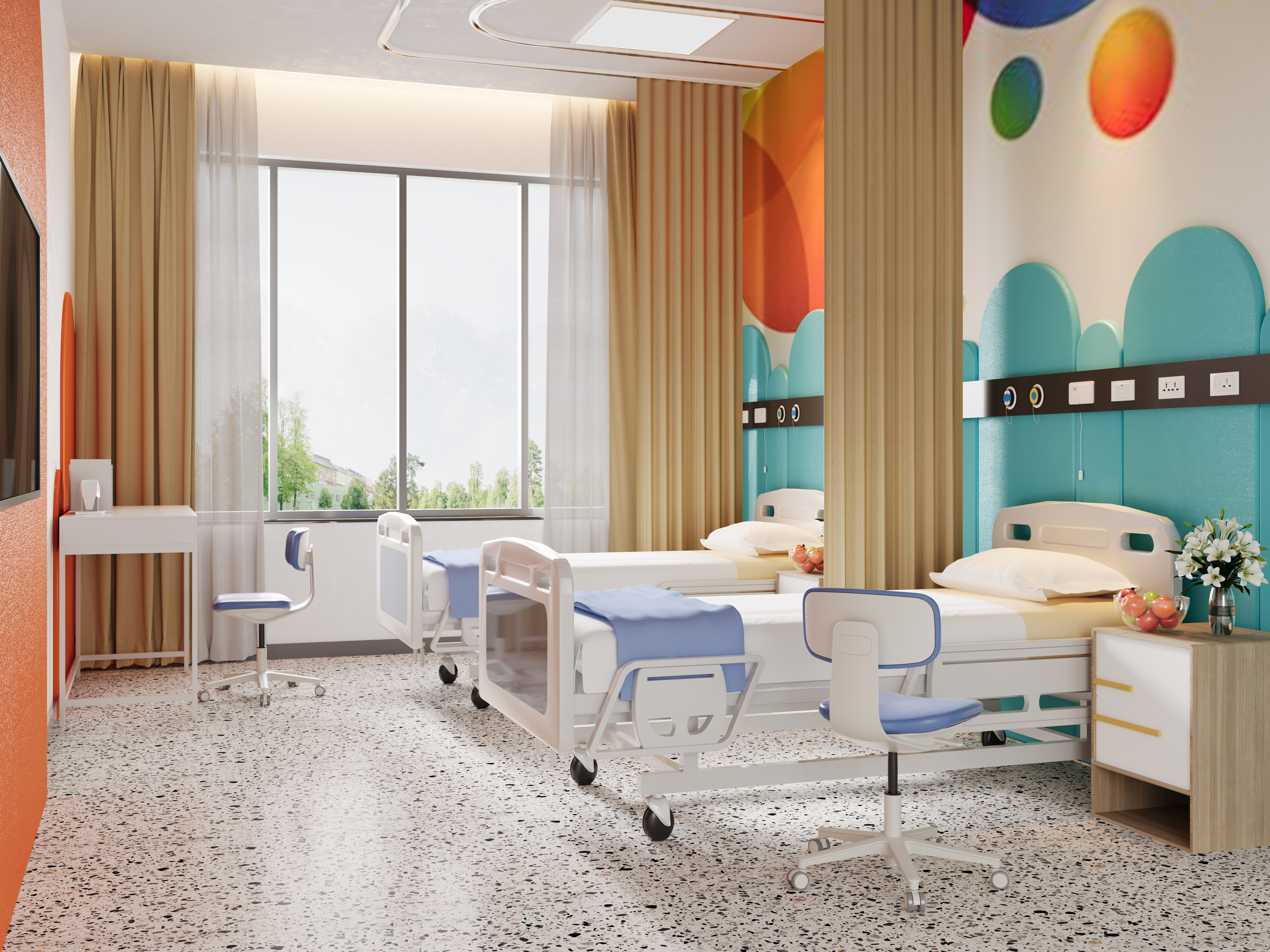
Healthcare facilities face a unique challenge when selecting seating solutions. A hospital chair must serve multiple purposes across different clinical environments, from patient examination rooms to nursing stations and recovery areas. The right hospital chair selection directly impacts patient comfort, staff efficiency, and overall clinical safety. Every department within a hospital operates under distinct workflow demands, patient demographics, and hygiene standards that require specialized hospital chair configurations.
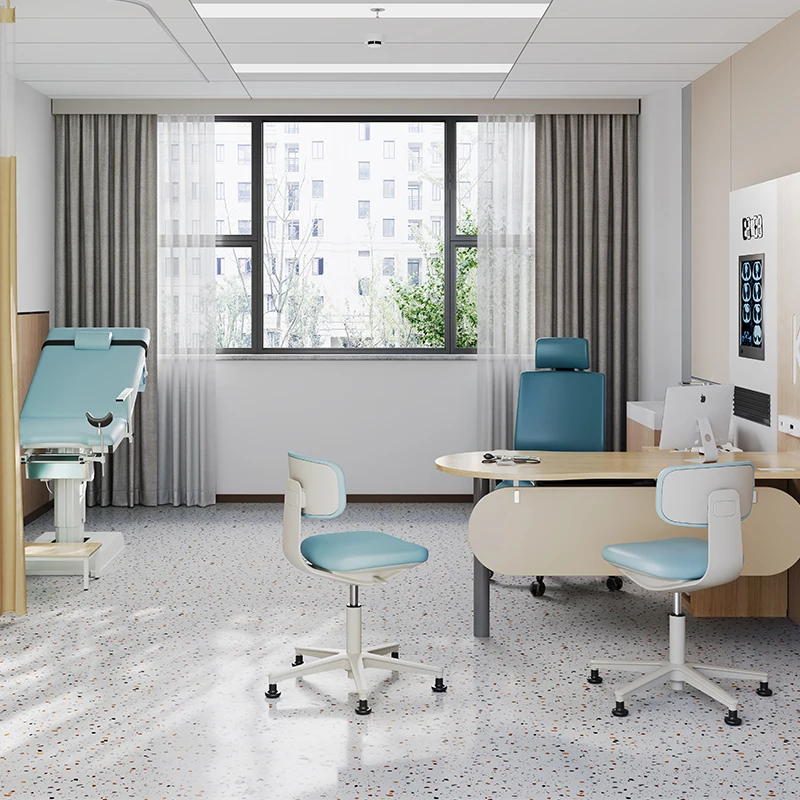
Healthcare administrators and procurement specialists must understand how a hospital chair design addresses the specific operational requirements of each department. Selecting the wrong hospital chair type leads to inefficiency, patient dissatisfaction, and increased maintenance costs. This article explores how different hospital chair options align with departmental needs and help healthcare facilities optimize their clinical environments while maintaining regulatory compliance and patient safety standards.
Emergency Department Seating Requirements
Fast Patient Throughput and Accessibility
Emergency departments require a hospital chair that accommodates rapid patient flow and diverse mobility levels. The ideal hospital chair for emergency settings must feature wheels for easy repositioning, armrests that support patients with limited mobility, and a design that allows quick sanitization between patients. Hospital chair models in emergency departments typically use durable, non-porous materials that resist fluid penetration and withstand frequent disinfection cycles. Clinicians need a hospital chair that adapts to triage seating, waiting area placement, and temporary patient monitoring without compromising accessibility.
Infection Control and Durability Considerations
A hospital chair in the emergency department faces constant exposure to contaminants and high-traffic usage patterns. The hospital chair construction must eliminate crevices where bacteria can accumulate, feature sealed seams, and incorporate antimicrobial surface treatments when available. Emergency staff prefer a hospital chair with minimal upholstered surfaces and maximum wipeable coverage, reducing infection transmission risk. The hospital chair frame must withstand repeated cleaning with harsh chemical disinfectants without degradation, ensuring long-term performance and cost-effectiveness across thousands of patient interactions annually.
Surgical and Recovery Department Seating
Post-Operative Comfort and Clinical Monitoring
Recovery departments require a specialized hospital chair that promotes circulation, prevents pressure injuries, and facilitates clinical monitoring of post-operative patients. The hospital chair must support proper body positioning for extended periods while allowing medical staff easy access to vital sign monitoring equipment and IV lines. A well-designed hospital chair in recovery settings includes contoured seating that distributes weight evenly, reducing the risk of deep vein thrombosis in immobilized patients. The hospital chair height adjustability ensures ergonomic positioning for both tall and petite patients, essential for facilities serving diverse patient populations.
Safety Features and Fall Prevention
Surgical recovery areas demand a hospital chair with comprehensive safety features addressing fall prevention and patient support. The hospital chair must include non-slip flooring compatibility, secure armrests that support weight-bearing transfers, and a stable base that resists tipping even when patients shift position suddenly. Medical staff appreciate a hospital chair with locking wheels that prevent unwanted movement during patient care activities, particularly during medication administration or wound assessment. The hospital chair design should facilitate quick emergency access without requiring complex unlocking mechanisms that delay care delivery during critical situations.
Outpatient and Diagnostic Department Seating
Extended Wear Comfort and Patient Satisfaction
Outpatient clinics and diagnostic imaging departments serve patients who may wait extended periods before appointments or procedures. The hospital chair in these environments must prioritize comfort during prolonged sitting sessions, supporting patient satisfaction scores and clinical efficiency. A quality hospital chair for outpatient use features ergonomic lumbar support, contoured seating surfaces, and armrests at appropriate heights that prevent strain during waiting periods. The hospital chair design reflects awareness that uncomfortable seating increases patient anxiety, potentially affecting diagnostic accuracy in imaging centers or complicating follow-up care in specialty clinics.
Aesthetic Integration and Operational Flexibility
Outpatient departments prioritize a hospital chair that projects professional appearance while serving diverse clinical functions. The hospital chair aesthetic influences patient perception of facility quality, particularly in cosmetic procedure centers, mental health clinics, and diagnostic offices. Many facilities select a hospital chair with fabric finishes that balance professional appearance with durability and easy maintenance. The hospital chair must stack or nest efficiently when not in use, accommodating variable patient volumes and allowing flexible clinic layouts that adapt to scheduling demands or departmental reorganizations.
Specialized Department Applications
Intensive Care and Patient Care Requirements
Intensive care units demand a hospital chair engineered for continuous monitoring environments with critical patient populations. The hospital chair must incorporate features supporting patients undergoing mechanical ventilation, hemodynamic monitoring, or complex medication regimens. A specialized hospital chair for ICU settings allows medical staff to position patients for optimal respiratory function while maintaining visibility of all monitoring equipment and medications. The hospital chair design includes secure positioning without restricting thoracic expansion, essential for patients receiving oxygen therapy or experiencing respiratory compromise.
Pediatric and Specialized Patient Populations
Different patient demographics require specialized hospital chair configurations addressing unique clinical and developmental needs. Pediatric facilities require a hospital chair scaled appropriately for smaller bodies while maintaining safety features preventing falls or entrapment. A properly sized hospital chair for pediatric patients promotes cooperation during medical procedures, reducing anxiety and facilitating faster treatment completion. The hospital chair selection for dialysis centers, chemotherapy clinics, or behavioral health units must address specific departmental workflows, treatment duration, and specialized safety considerations unique to each patient population and clinical environment.
Selection Criteria for Multi-Department Deployments
Standardization Benefits and Cost Considerations
Healthcare facilities managing multiple departments often seek a hospital chair model offering standardization across diverse clinical areas. Standardizing a hospital chair selection simplifies procurement, reduces training requirements for staff, and streamlines maintenance and replacement cycles. A versatile hospital chair that adapts to multiple departmental needs reduces overall capital expenditure compared to purchasing specialized models for each clinical area. The hospital chair standardization strategy must balance cost efficiency against specialized departmental requirements, ensuring selected models deliver adequate functionality across all intended deployment areas without compromising patient safety or clinical workflow.
Regulatory Compliance and Quality Standards
Every hospital chair selection must comply with healthcare regulatory standards, infection control protocols, and patient safety requirements applicable to the facility's jurisdiction. A compliant hospital chair meets chemical resistance standards for disinfectants, incorporates appropriate fire-retardant materials, and maintains certifications verifying structural integrity under load. Healthcare facilities must verify that selected hospital chair models comply with Americans with Disabilities Act requirements, accessibility standards, and any specialized regulations specific to particular departments or patient populations. The hospital chair procurement process should include verification of manufacturer compliance documentation, quality certifications, and evidence supporting safety claims presented in product specifications.
FAQ
What features should I prioritize when selecting a hospital chair for high-traffic emergency departments?
Prioritize durability, easy sanitization, and rapid repositioning capabilities. A hospital chair for emergency areas requires wheels for mobility, sealed construction preventing fluid penetration, non-porous surfaces withstanding frequent disinfection, and armrests supporting diverse patient mobility levels. The hospital chair should accommodate rapid transitions between patients while maintaining infection control standards and allowing quick assessment of patient conditions in triage environments.
How do recovery department hospital chair requirements differ from outpatient clinic seating needs?
Recovery departments require a hospital chair emphasizing clinical monitoring support, fall prevention, and pain management comfort, while outpatient clinics prioritize extended-wear comfort and aesthetic presentation. A hospital chair in recovery must facilitate staff access to monitoring equipment, include safety features preventing falls, and support proper body positioning during vulnerability periods. Outpatient hospital chair designs emphasize patient satisfaction, professional appearance, and ergonomic support during potentially lengthy waiting periods, reflecting different departmental priorities and patient vulnerability levels.
Can a single hospital chair model serve multiple departments effectively?
Standardized hospital chair models can serve multiple departments if selected carefully to balance common needs across intended areas. A versatile hospital chair offering adjustable features, essential safety components, and materials compatible with standard disinfection protocols can work across diagnostic, outpatient, and general patient care areas. However, highly specialized environments like pediatric units or intensive care require tailored hospital chair designs addressing specific clinical demands that standardized models may not fully accommodate, necessitating selective specialized purchases for particular departments.


