
 EN
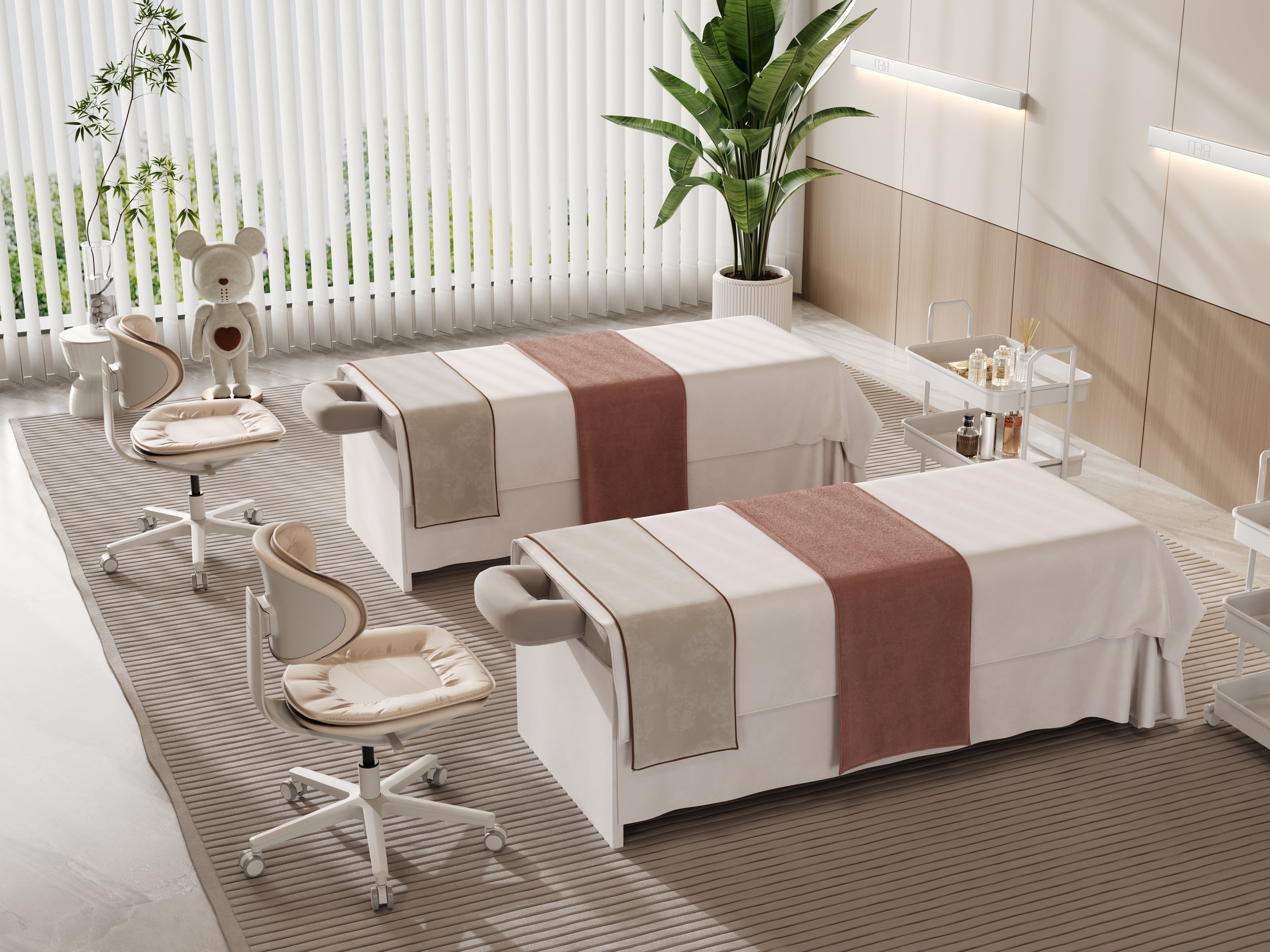
A high quality medical chair serves as the foundation for safe, comfortable clinical practice across hospitals, dental offices, surgical centers, and diagnostic facilities. The right medical chair supports both patient comfort during procedures and clinician ergonomics during extended treatment sessions. Understanding what defines a medical chair that truly meets clinical standards helps procurement teams, facility managers, and clinical leaders make decisions that enhance safety, reduce fatigue-related injuries, and improve the overall patient experience. Quality in a medical chair extends far beyond basic seating—it encompasses precision engineering, material selection, compliance with health regulations, and design principles that address the unique demands of modern healthcare environments.

Clinical environments require a medical chair that balances multiple competing demands: durability under constant use, easy disinfection and infection control, precise adjustability for different body types and treatment protocols, and materials that resist staining and chemical degradation. A quality medical chair must perform reliably across hundreds of hours of daily use while maintaining structural integrity, mechanical function, and aesthetic professionalism. The investment in a high quality medical chair translates directly into reduced replacement cycles, fewer mechanical failures during critical procedures, and improved staff satisfaction.
Ergonomic Design and Adjustability in Quality Medical Chairs
Precision Adjustment Mechanisms for Clinical Flexibility
A defining characteristic of a high quality medical chair is its capacity for precise, smooth adjustment across multiple axes. True clinical performance requires a medical chair with independent height adjustment, backrest recline capability, and seat tilt functionality that operators can control with minimal effort. Pneumatic cylinders in quality models provide smooth height adjustment within a broad range, accommodating clinicians of different statures and allowing optimization for specific procedures. The armrests on a medical chair should adjust independently or fold away, enabling flexibility for different patient approaches and treatment configurations. A medical chair that offers 360-degree swivel capability with foot-controlled brakes ensures clinicians can position themselves efficiently without repetitive reaching or bending movements.
Lumbar Support and Postural Alignment
Clinicians who spend six to twelve hours daily seated in their medical chair face significant risk of chronic back pain, disc herniation, and postural deformities. A quality medical chair incorporates substantial lumbar support integrated into the backrest, reducing stress on the lower spine during long treatment sessions. The seat pan depth and angle directly influence hip positioning and pressure distribution; a well-engineered medical chair maintains the natural curves of the spine while supporting the thighs adequately without restricting blood circulation. Quality manufacturing ensures that foam density, cover material, and structural reinforcement remain consistent, preventing the common failure mode where lumbar support degrades after months of use. A premium medical chair also considers the feet and leg support, preventing the dangling-feet problem that creates pressure points and restricts blood flow during extended procedures.
Material Selection and Infection Control Standards for Medical Chairs
Chemical Resistance and Disinfection Compatibility
Every surface of a clinical medical chair must withstand aggressive disinfection protocols without degradation. A quality medical chair uses upholstery materials that resist common healthcare disinfectants including quaternary ammonium compounds, bleach-based solutions, alcohol, and hydrogen peroxide. Vinyl and polyurethane-based medical chair coverings must maintain their integrity and appearance after repeated exposure to these chemicals, whereas lower-quality materials become sticky, discolored, or brittle. The seams and joints of a medical chair represent critical vulnerability points; quality construction uses sealed or welded seams rather than simple stitching, eliminating pathways for liquid penetration and bacterial accumulation. A high quality medical chair also features casters and base components manufactured from materials that resist corrosion from cleaning solutions, preventing rust and mechanical degradation that would compromise stability and mobility.
Seamless Design for Contamination Prevention
The construction philosophy behind a truly quality medical chair minimizes crevices, gaps, and hard-to-reach surfaces where pathogens and organic matter accumulate. Unlike conventional office furniture, a high quality medical chair uses seamless upholstery panels and eliminates exposed fasteners, pleats, and decorative stitching that trap bacteria and resist cleaning. The base, armrests, and backrest connections should be smooth and easy to wipe down without requiring tools or dismantling. A medical chair designed for infection control typically features a continuous cover without seams that extend to the base, preventing fluids from penetrating internal structures. Quality models also consider the undersurface of the seat and backrest, ensuring these non-visible areas use washable, antimicrobial-treated materials rather than porous fabrics that absorb blood, body fluids, and other biohazards.
Mechanical Durability and Compliance Standards in Clinical Medical Chairs
Structural Integrity Under Continuous Clinical Demand
A quality medical chair built for clinical environments must withstand 40,000 to 60,000 operational cycles without developing squeaks, loose connections, or mechanical failures. The hydraulic cylinder, which is the heart of a medical chair's height adjustment system, must maintain consistent performance under repeated compression and extension. Quality medical chair manufacturers use cylinders rated for medical-grade duty cycles and include pressure relief mechanisms that prevent damage from misuse. The base structure of a premium medical chair typically features reinforced metal frames, welded connections rather than bolted assemblies, and weight distribution that prevents wobbling or tipping even during asymmetric loading. The armrests, which experience significant stress from clinician use and patient weight transfer, require substantial internal bracing and high-quality attachment mechanisms in a truly quality medical chair.
Regulatory Compliance and Safety Certification
A high quality medical chair must meet or exceed relevant regulatory standards including ANSI/BIFMA standards for office furniture, ISO 11228 ergonomic guidelines, and healthcare-specific requirements established by accreditation bodies. Quality medical chair manufacturers provide documentation of chemical compatibility testing, microbial resistance validation, and mechanical stress testing conducted by independent laboratories. The medical chair should carry certification confirming that materials do not off-gas toxic compounds in clinical environments and that construction meets fire-safety standards required in healthcare facilities. Warranty terms and post-sale support distinguish a quality medical chair from budget alternatives; premium models typically include extended warranties covering hydraulic systems and mechanical components, plus rapid replacement protocols for critical failures. A quality medical chair also includes clear maintenance documentation and cleaning protocols that help facilities comply with infection control standards and extend the asset lifecycle.
FAQ
What specific adjustments should a clinical medical chair offer?
A high quality medical chair should include independent height adjustment via pneumatic cylinder, backrest recline capability, seat tilt functionality, and adjustable armrests. These multiple adjustment vectors allow clinicians to optimize positioning for different procedures and accommodate various body types. The medical chair should also feature 360-degree swivel capability with foot-controlled brakes, enabling efficient repositioning without repetitive reaching movements that cause clinician fatigue and injury.
How do I verify that a medical chair meets infection control standards?
Examine the medical chair's material specifications and request chemical compatibility testing documentation from the manufacturer. A quality medical chair should use seamless or welded-seam upholstery, feature no exposed crevices where pathogens accumulate, and use covers proven resistant to quaternary ammonium compounds, bleach, alcohol, and hydrogen peroxide. Request certification that the medical chair has been tested for microbial growth and that all components including casters and base materials resist corrosion from disinfectants.
What is the expected lifespan of a quality medical chair in a busy clinical setting?
A high quality medical chair should perform reliably for 5 to 8 years in high-use environments operating 40-plus hours weekly. The actual lifespan depends on maintenance protocols, cleaning frequency, and proper use according to manufacturer guidelines. A premium medical chair typically includes robust warranty coverage for hydraulic systems and critical mechanical components, ensuring rapid replacement or repair when failures occur, minimizing clinical downtime and protecting your facility's investment.


