
 EN
EN

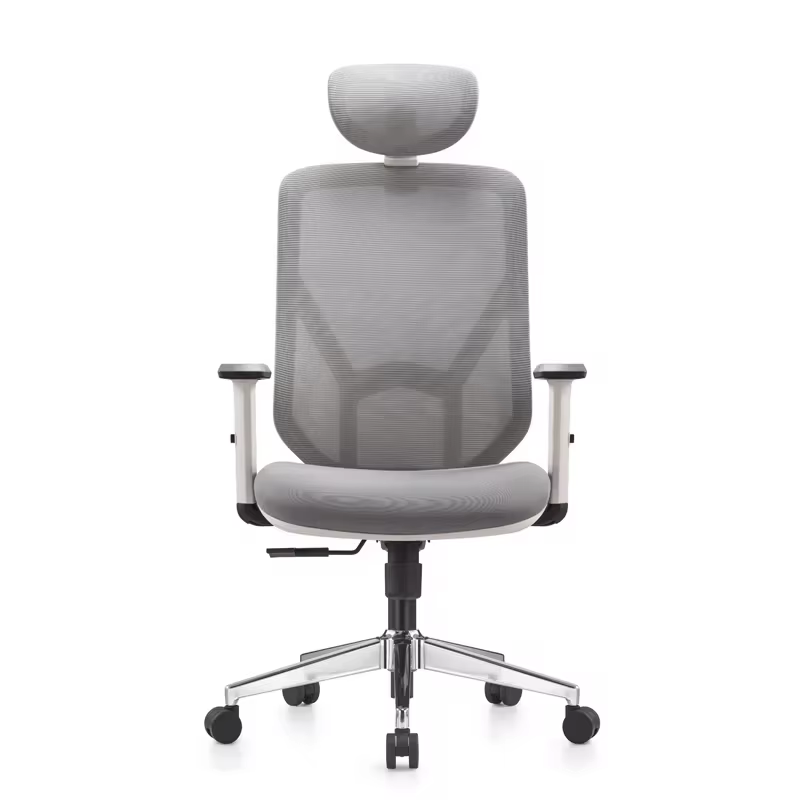
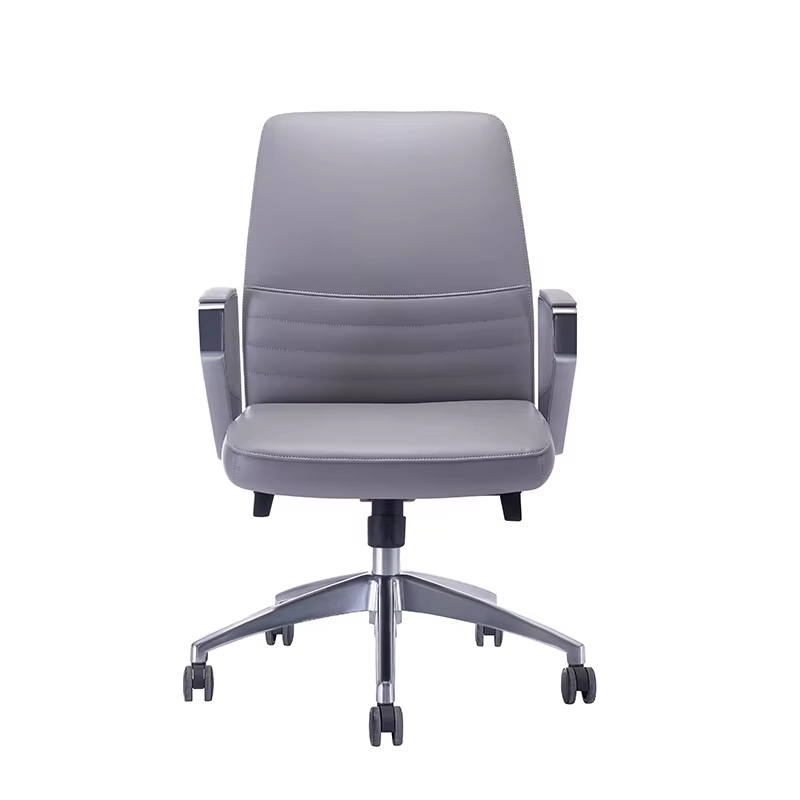
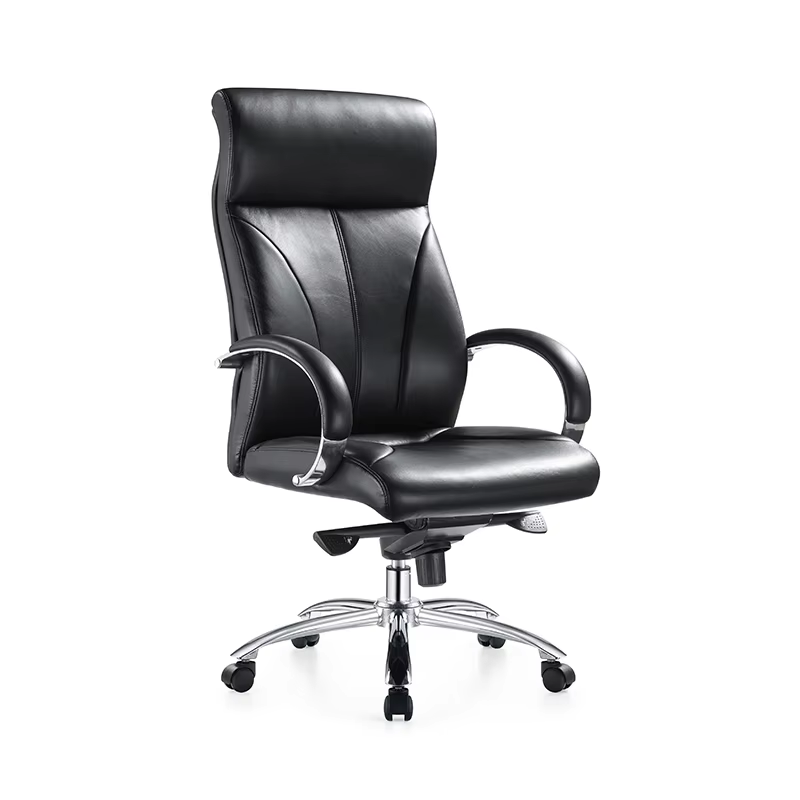
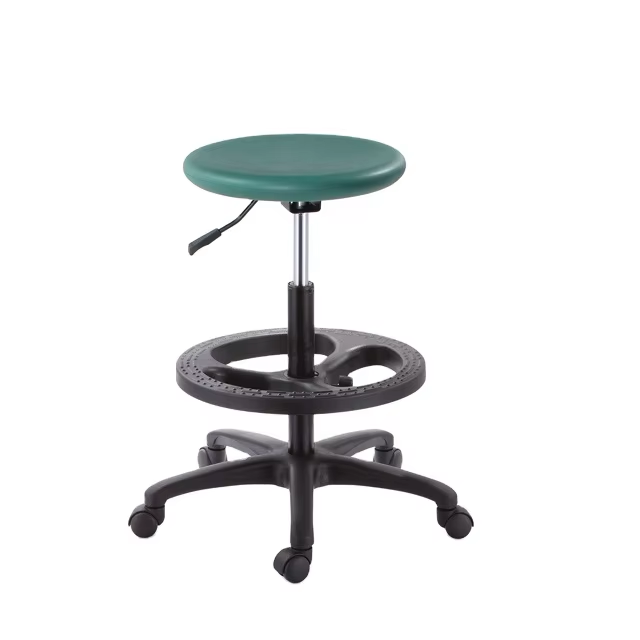
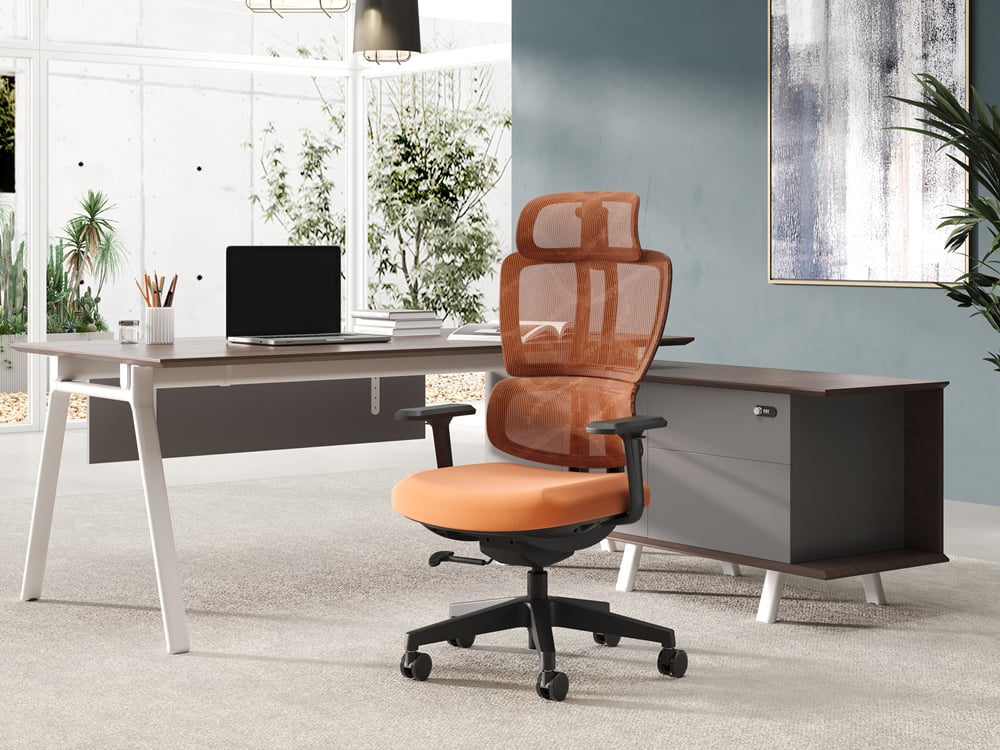


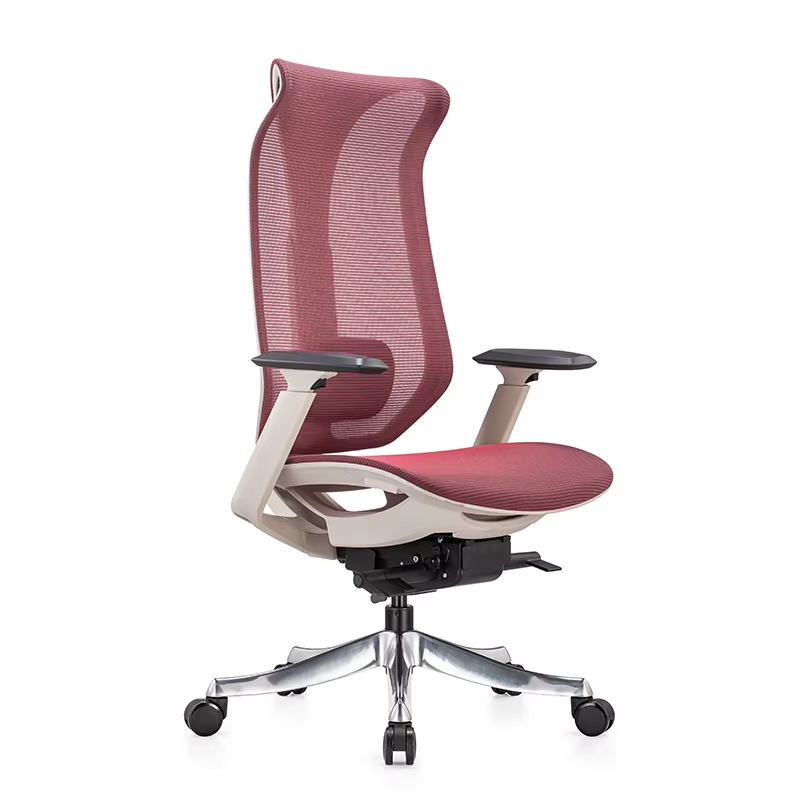
Selecting the perfect ergonomic chair for extended work sessions has become crucial in today's professional environment where many individuals spend eight or more hours seated at their desks. The right seating solution not only enhances comfort but also significantly impacts productivity, posture, and long-term health outcomes. Understanding the essential features and considerations when evaluating an ergonomic chair ensures that your investment delivers maximum value while supporting your body's natural alignment throughout demanding workdays.
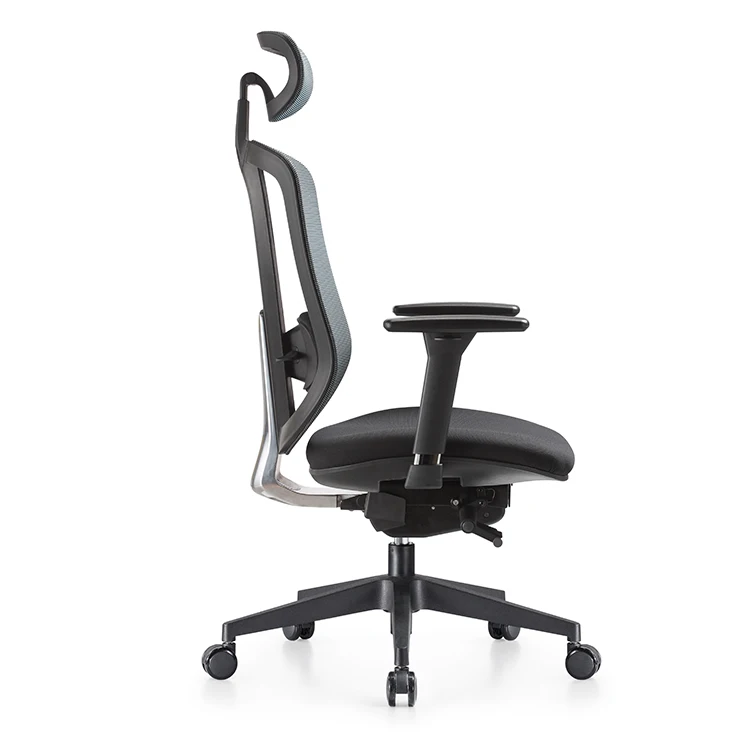
Understanding Ergonomic Chair Fundamentals
Core Design Principles
An effective ergonomic chair incorporates multiple design elements that work together to support the human body's natural curves and movement patterns. The foundation of any quality ergonomic chair lies in its ability to promote proper spinal alignment while accommodating individual body dimensions and preferences. Key components include adjustable lumbar support, seat height mechanisms, armrest positioning, and backrest recline functionality that collectively create a customized seating experience.
The science behind ergonomic design focuses on reducing pressure points, improving circulation, and minimizing muscle strain during prolonged sitting periods. Modern ergonomic chair manufacturers utilize advanced materials and engineering techniques to create seating solutions that adapt to various body types and working styles. Understanding these fundamental principles helps consumers make informed decisions when evaluating different models and features.
Health Benefits and Impact
Investing in a quality ergonomic chair provides numerous health benefits that extend beyond immediate comfort improvements. Proper seating support reduces the risk of developing chronic back pain, neck strain, and repetitive stress injuries commonly associated with extended desk work. Research consistently demonstrates that employees using well-designed ergonomic chairs experience fewer musculoskeletal disorders and report higher levels of workplace satisfaction.
Long-term health outcomes improve significantly when individuals transition from traditional seating to properly configured ergonomic alternatives. The cumulative effect of daily postural support helps maintain spinal health, reduces fatigue, and enhances overall work performance. Medical professionals frequently recommend ergonomic chair solutions as preventive measures against work-related physical ailments.
Essential Features for Extended Use
Adjustability and Customization
The hallmark of an exceptional ergonomic chair is its comprehensive adjustability across multiple dimensions and settings. Seat height adjustment represents the most fundamental feature, enabling users to position their feet flat on the floor while maintaining proper knee angles. Advanced models incorporate pneumatic height mechanisms that provide smooth, precise adjustments throughout the chair's range of motion.
Armrest adjustability significantly impacts upper body comfort and shoulder alignment during typing and mouse usage. Quality ergonomic chair designs offer multi-directional armrest movement, including height, width, depth, and angle adjustments. This flexibility ensures that users can position their arms naturally without creating tension in the shoulders or neck region during extended work sessions.
Material Quality and Durability
Premium materials directly influence both comfort levels and longevity when selecting an ergonomic chair for intensive daily use. Breathable mesh fabrics promote air circulation and temperature regulation, preventing the accumulation of heat and moisture during long working hours. High-density foam padding provides consistent support while maintaining its shape and resilience over extended periods of use.
Frame construction materials, including aluminum alloy bases and reinforced plastic components, determine the chair's structural integrity and weight capacity. Investing in an ergonomic chair with premium materials ensures consistent performance and reduces the likelihood of premature wear or mechanical failure during regular use.
Sizing and Fit Considerations
Body Measurements and Proportions
Proper ergonomic chair selection requires careful consideration of individual body measurements and proportions to ensure optimal fit and support. Seat depth measurements should accommodate the user's leg length while providing adequate lumbar support without creating pressure behind the knees. The ideal seat depth allows for approximately two to three inches of space between the back of the knees and the front edge of the seat.
Backrest height and contour must align with the user's torso dimensions to provide effective spinal support throughout the workday. Different ergonomic chair models offer varying backrest profiles, from high-back executive styles to mid-back task chairs, each designed to accommodate specific body types and preferences. Understanding your proportions helps narrow down suitable options and ensures maximum comfort during extended use.
Weight Capacity and Stability
Weight capacity ratings provide important guidelines for selecting an ergonomic chair that maintains structural integrity and safety during regular use. Quality chairs typically support between 250 to 400 pounds, depending on their design and construction materials. Exceeding manufacturer weight recommendations can compromise the chair's stability, adjustability mechanisms, and overall lifespan.
Base design and caster selection influence stability and mobility across different flooring surfaces. Five-point star bases with quality casters provide optimal weight distribution and smooth movement without compromising safety. Heavy-duty gas cylinders and reinforced mounting points ensure reliable height adjustment and swivel functionality throughout the ergonomic chair's service life.
Workspace Integration and Setup
Desk Height Compatibility
Successful ergonomic chair integration requires careful consideration of existing desk heights and workspace configurations. Standard desk heights typically range from 28 to 30 inches, necessitating chair height adjustments that position users' elbows at approximately 90-degree angles during typing activities. Mismatched desk and chair heights can negate the benefits of even the most advanced ergonomic chair features.
Monitor placement and viewing angles also influence optimal ergonomic chair positioning within the workspace. The chair's height adjustment range must accommodate proper screen positioning while maintaining comfortable neck and shoulder alignment. Consider the relationship between seat height, desk surface, and monitor placement when evaluating different ergonomic chair options for your specific work environment.
Movement and Accessibility
Modern work environments often require frequent movement between different tasks and workspace areas, making caster quality and swivel functionality important considerations. High-quality casters should roll smoothly across various flooring materials without leaving marks or creating excessive noise during movement. Different caster materials suit different floor types, with soft wheels for hard surfaces and hard wheels for carpeted areas.
Swivel mechanisms enable easy access to different work areas without requiring users to stand or strain their bodies during task transitions. Quality ergonomic chair designs incorporate smooth, reliable swivel action that maintains stability while allowing unrestricted rotation. Consider your typical work patterns and movement requirements when evaluating different chair mobility features.
Technology and Advanced Features
Smart Adjustment Systems
Contemporary ergonomic chair designs increasingly incorporate advanced adjustment mechanisms that simplify customization and enhance user experience. Synchro-tilt technology automatically coordinates seat and backrest movement to maintain optimal body positioning during recline motions. This synchronized movement preserves proper spinal alignment while allowing users to lean back comfortably during brief rest periods.
Memory foam and adaptive padding technologies respond to individual body contours and temperature, providing personalized support that improves throughout the day. Some premium ergonomic chair models feature zone-specific support areas that target common pressure points and adapt to different sitting positions. These advanced materials enhance comfort while maintaining consistent support during extended work sessions.
Innovative Support Technologies
Cutting-edge lumbar support systems utilize flexible materials and adjustable mechanisms to provide targeted lower back support that adapts to individual spinal curves. Advanced designs allow users to fine-tune both the height and depth of lumbar support, ensuring optimal positioning for their specific anatomy. This precision adjustment capability helps prevent lower back fatigue and maintains proper posture throughout long working hours.
Three-dimensional armrest technology enables comprehensive positioning adjustments that accommodate various arm lengths and preferred working positions. These advanced armrest systems move independently in multiple directions, allowing users to position their arms naturally while maintaining shoulder alignment. The flexibility of modern armrest designs significantly improves upper body comfort during intensive keyboard and mouse usage.
Budget and Value Assessment
Cost-Benefit Analysis
Evaluating ergonomic chair investments requires considering both upfront costs and long-term value propositions. Quality chairs represent significant initial expenditures but provide substantial returns through improved comfort, productivity, and health outcomes over their extended service lives. Calculating the cost per year of use often demonstrates that premium ergonomic chair options deliver superior value compared to frequent replacement of lower-quality alternatives.
Healthcare costs associated with work-related injuries and chronic pain conditions often exceed the price of quality ergonomic chair investments. Preventive measures, including proper seating support, can significantly reduce the likelihood of developing expensive musculoskeletal disorders. Many employers recognize these benefits and provide ergonomic chair allowances or reimbursements to support employee health and productivity.
Warranty and Support Services
Comprehensive warranty coverage indicates manufacturer confidence in their ergonomic chair quality and provides protection against premature failure or defects. Industry-leading warranties typically cover structural components for 10-12 years, with shorter coverage periods for wear items like fabric and foam padding. Extended warranty options may provide additional peace of mind for intensive-use environments.
Customer support services, including assembly assistance, adjustment guidance, and replacement part availability, contribute significantly to the overall ownership experience. Manufacturers with strong service networks and responsive support teams help ensure that users maximize their ergonomic chair benefits throughout the product's lifespan. Research available support options and user reviews when comparing different brands and models.
FAQ
How long should I expect an ergonomic chair to last with daily use
A quality ergonomic chair designed for intensive use typically provides 8-12 years of reliable service when properly maintained and used within manufacturer specifications. Premium models with robust construction materials and superior components often exceed these timeframes, while budget options may require replacement after 3-5 years. Regular maintenance, including cleaning, lubrication, and adjustment checks, helps maximize chair lifespan and performance.
What adjustment should I make first when setting up my new ergonomic chair
Begin by adjusting the seat height to position your feet flat on the floor with your thighs parallel to the ground and knees at approximately 90-degree angles. This fundamental adjustment establishes the foundation for all other ergonomic chair settings and ensures proper leg positioning. Once seat height is optimized, proceed with lumbar support, armrest height, and backrest angle adjustments to complete your personalized configuration.
Can an ergonomic chair help with existing back pain issues
While an ergonomic chair cannot cure existing medical conditions, proper seating support can significantly reduce strain and discomfort associated with prolonged sitting. Many users experience decreased back pain and improved comfort after transitioning to quality ergonomic chair solutions. However, individuals with chronic pain or specific medical conditions should consult healthcare professionals for comprehensive treatment approaches that may include ergonomic seating recommendations.
Are expensive ergonomic chairs worth the investment for home offices
Home office workers who spend substantial time at their desks benefit significantly from quality ergonomic chair investments, regardless of their work location. The health benefits, comfort improvements, and productivity gains apply equally to home and traditional office environments. Consider your daily usage patterns, available budget, and long-term work arrangements when evaluating different price points and feature levels for your home office ergonomic chair selection.


