Professional Dental Operator Stool - Ergonomic Comfort & Mobility for Dental Practices

dental operator stool

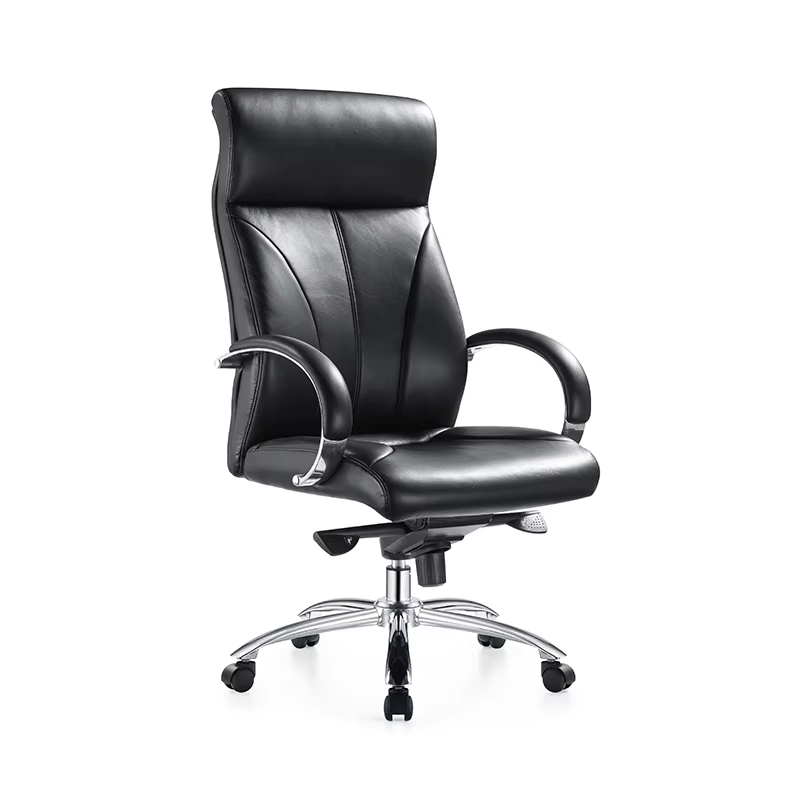
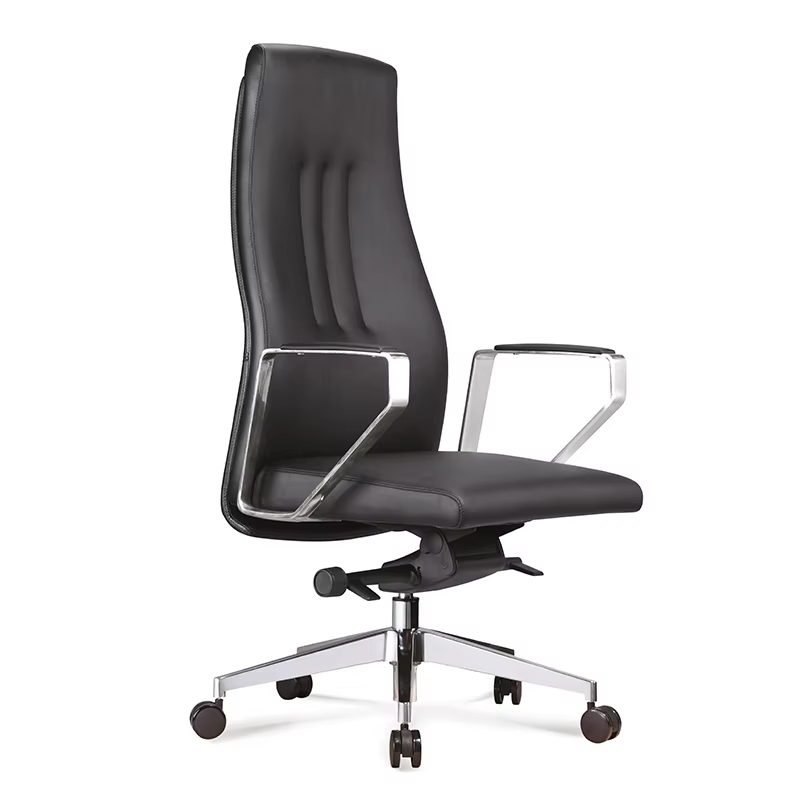
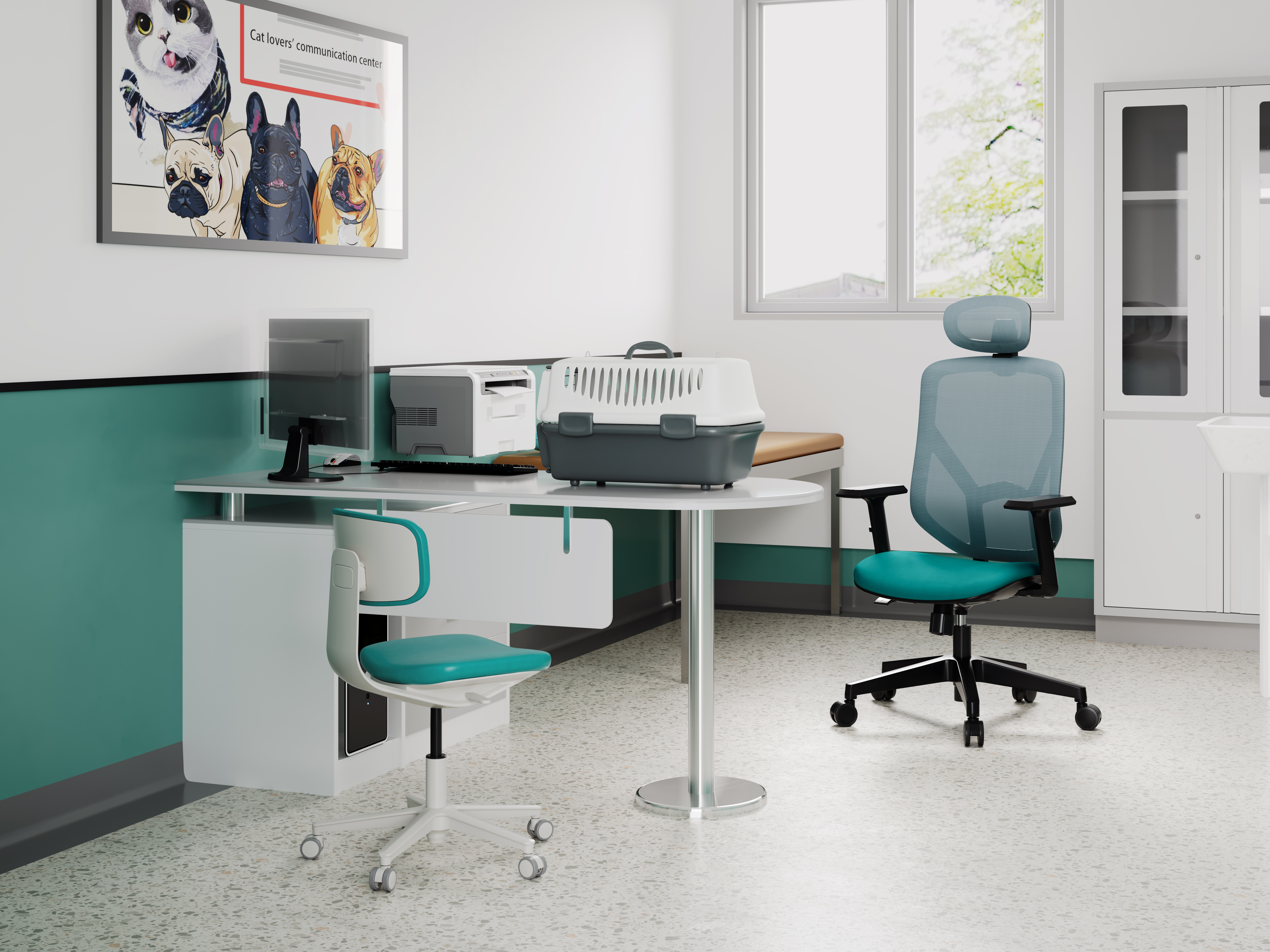
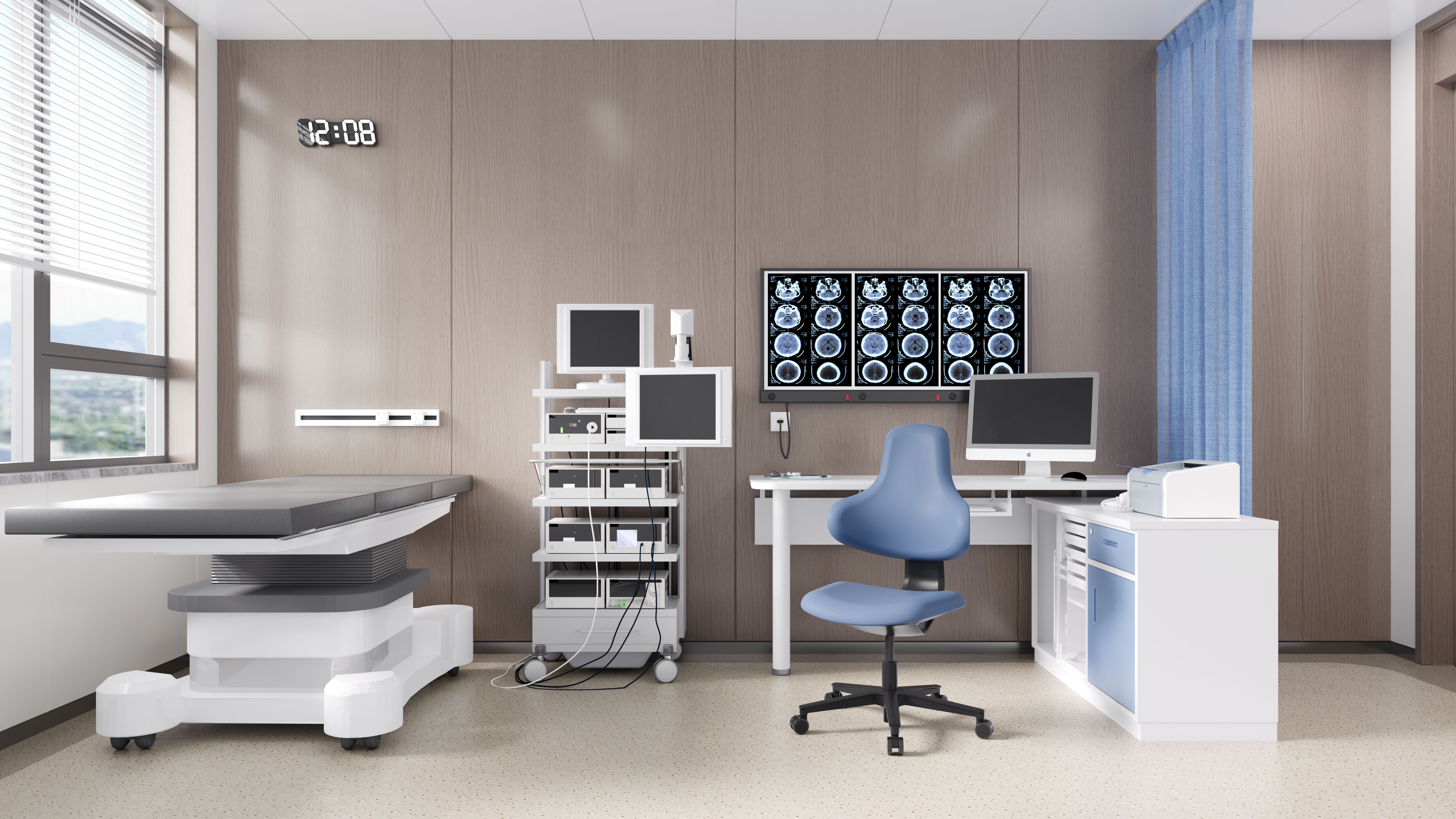
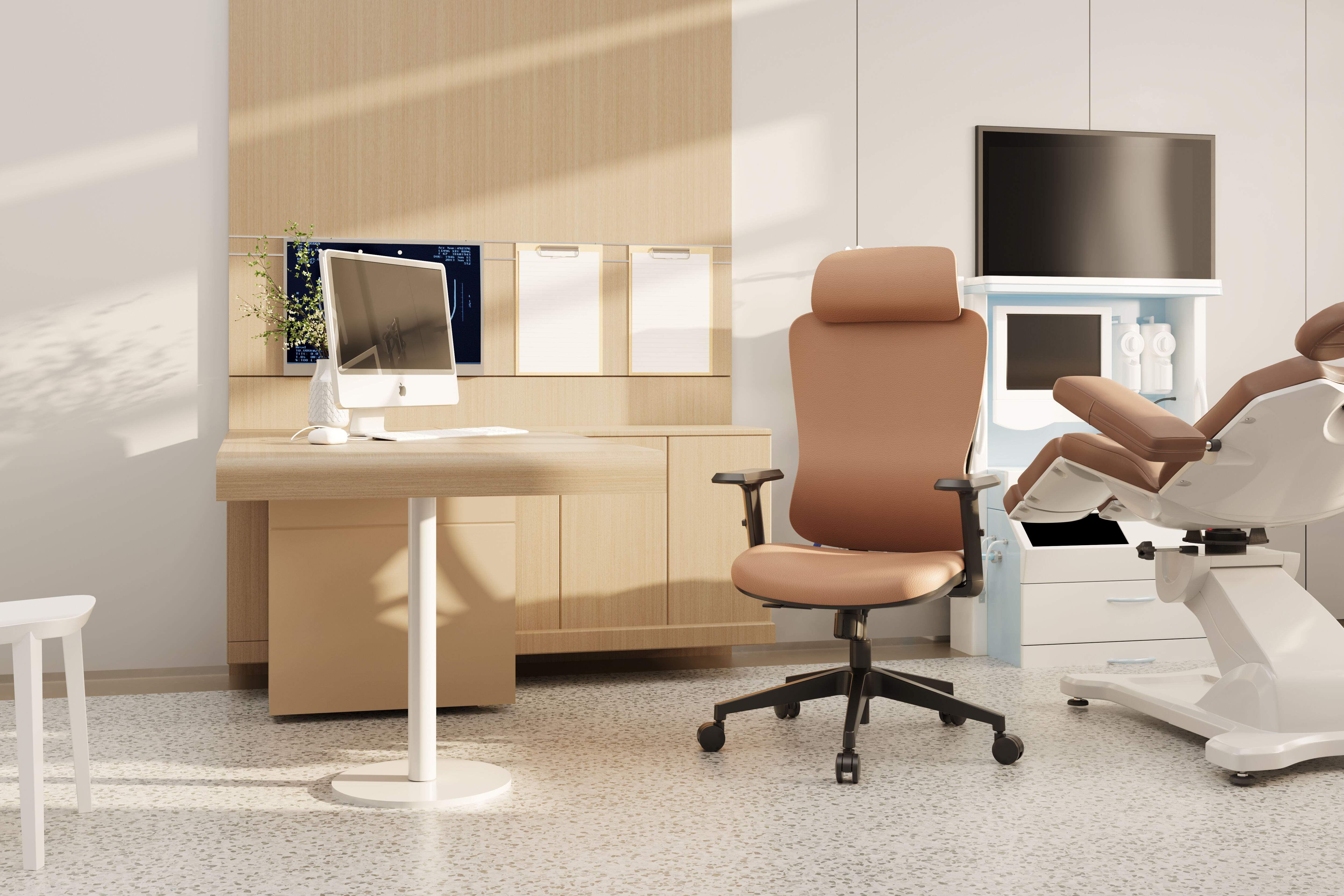
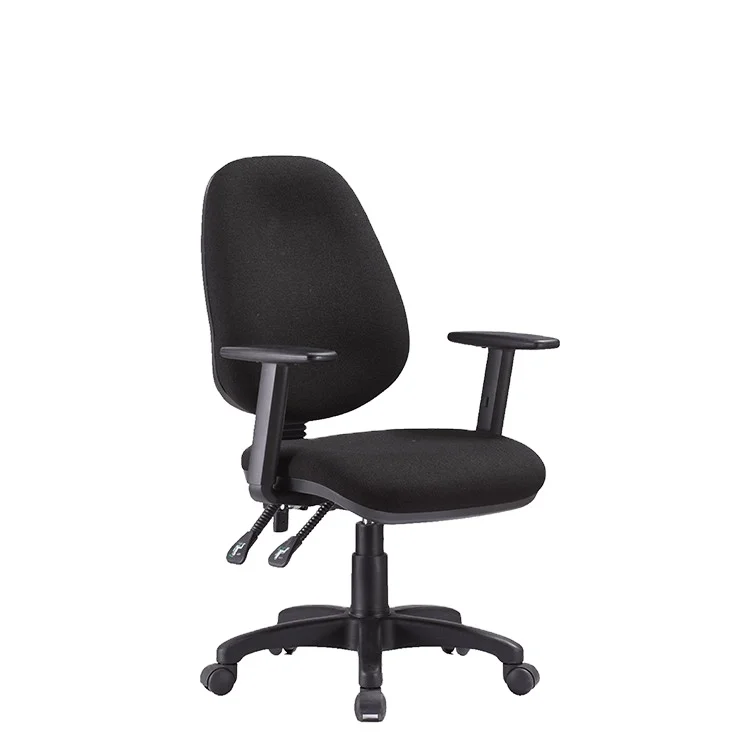
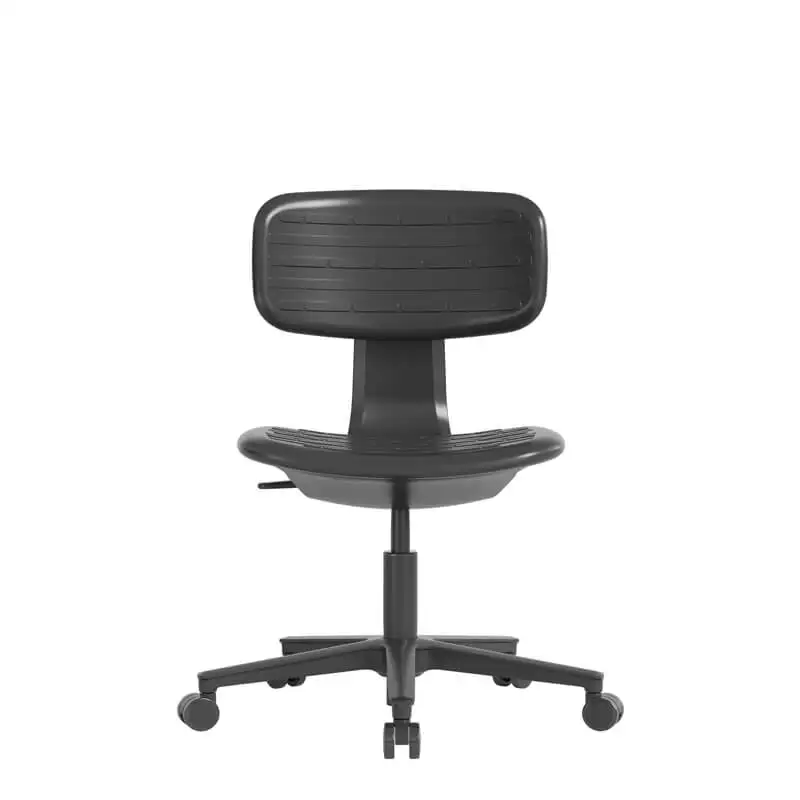
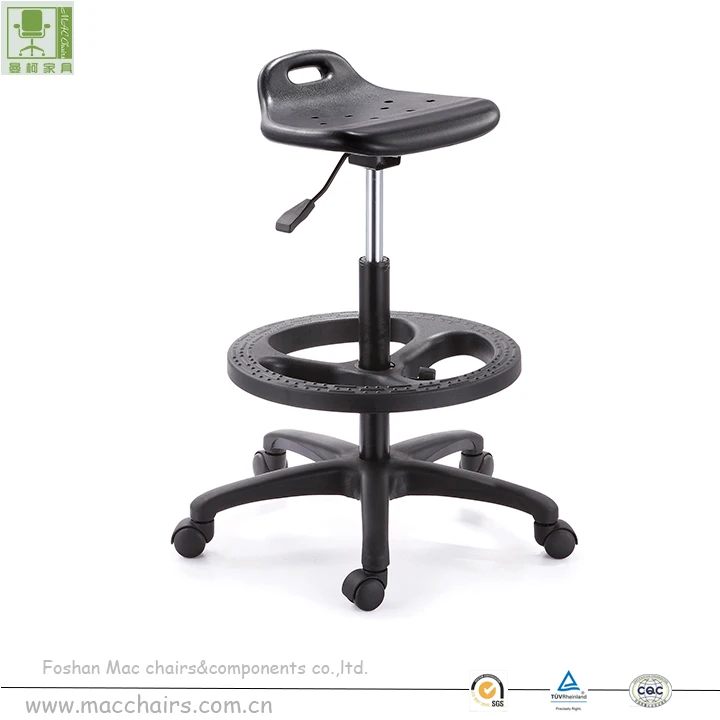
The dental operator stool represents an essential piece of equipment in modern dental practices, serving as the foundation for professional comfort and clinical efficiency. This specialized seating solution has been meticulously designed to meet the unique demands of dental professionals who spend extensive hours performing precise procedures. The dental operator stool combines ergonomic principles with advanced engineering to create an optimal working environment that supports both practitioner health and patient care quality. At its core, the dental operator stool functions as more than just a seat; it acts as a mobile command center that allows dentists to maintain proper posture while accessing different areas of the treatment space with ease. The stool's primary function revolves around providing stable, adjustable seating that accommodates various working positions throughout different dental procedures. Modern dental operator stools incorporate sophisticated hydraulic or pneumatic height adjustment systems, enabling practitioners to modify their working height instantly and smoothly. The technological features embedded within contemporary dental operator stools include advanced cushioning materials that provide superior comfort during extended procedures while maintaining their shape over time. Many models feature memory foam or high-density polyurethane padding that conforms to the user's body contours, reducing pressure points and preventing fatigue. The base mechanism typically employs a five-point caster system with smooth-rolling wheels designed for easy mobility across various flooring surfaces commonly found in dental offices. The applications of dental operator stools extend beyond basic seating needs, encompassing multiple aspects of dental practice efficiency. These stools prove invaluable during routine cleanings, complex surgical procedures, orthodontic adjustments, and endodontic treatments. The mobility aspect allows dentists to quickly reposition themselves around the patient chair without standing or straining, maintaining continuous focus on the procedure at hand. The dental operator stool's versatility makes it suitable for various dental specialties, from general dentistry to specialized fields like oral surgery and periodontics, where precision and comfort are paramount for successful outcomes.

New Product Releases

The dental operator stool delivers significant advantages that directly impact both practitioner wellbeing and clinical performance in measurable ways. First and foremost, these specialized stools dramatically reduce physical strain and fatigue associated with prolonged dental procedures. Traditional seating options fail to provide adequate support for the unique postures required in dental work, leading to back pain, neck tension, and leg discomfort. The dental operator stool addresses these concerns through its ergonomic design that promotes proper spinal alignment and reduces muscle tension throughout extended treatment sessions. The adjustability features present in quality dental operator stools allow practitioners to customize their seating position for each patient and procedure type. This adaptability prevents the development of repetitive stress injuries and chronic pain conditions that plague many dental professionals. The hydraulic height adjustment system enables smooth transitions between different working positions without interrupting the flow of treatment, maintaining both efficiency and patient comfort. Another substantial advantage lies in the enhanced mobility provided by the dental operator stool's caster system. Practitioners can effortlessly glide around the patient chair, accessing different angles and positions without the need to stand, stretch, or strain. This mobility improvement translates to better clinical access, more thorough examinations, and superior treatment outcomes. The smooth-rolling wheels are specifically designed to navigate dental office environments, including areas with cables, equipment, and varying floor surfaces. The durability aspect of professional dental operator stools represents a significant economic advantage for dental practices. High-quality models are constructed with medical-grade materials that withstand constant use, frequent cleaning with disinfectants, and the demanding environment of busy dental offices. This durability reduces replacement costs and ensures consistent performance over many years of service. The infection control benefits cannot be overlooked, as modern dental operator stools feature seamless upholstery that resists bacterial growth and allows for thorough sanitization between patients. The productivity gains achieved through proper seating are substantial and measurable. When practitioners are comfortable and properly positioned, they can focus entirely on their clinical work rather than managing physical discomfort. This improved focus leads to higher quality treatments, reduced procedure times, and better patient satisfaction scores. The dental operator stool essentially becomes an investment in practice efficiency that pays dividends through improved clinical outcomes and practitioner longevity.

Practical Tips

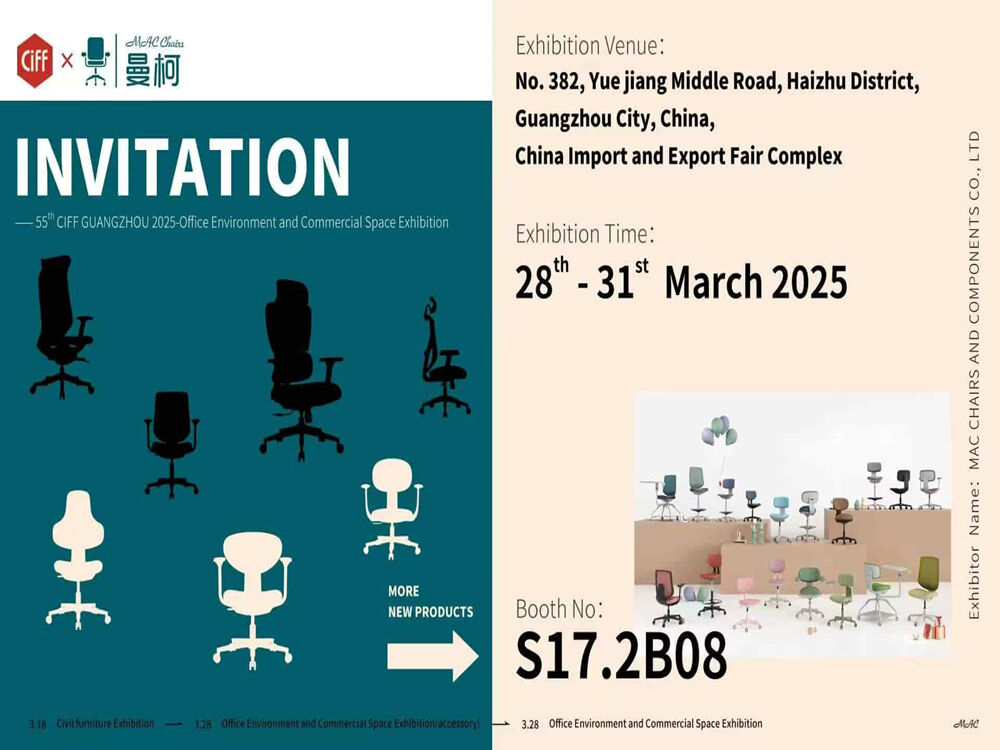
Experience MAC’s Office Chairs at CIFF 2025

06

Apr

Experience MAC’s Office Chairs at CIFF 2025

View More
Why Leather Office Chairs Are Perfect for Executive Offices

Why Leather Office Chairs Are Perfect for Executive Offices

Discover the sophistication of leather office chairs, ideal for executive design, ergonomic benefits, and corporate image enhancement. Explore options that balance aesthetics with productivity improvements in professional settings.
View More
Innovative Materials in Office Chair Manufacturing

Innovative Materials in Office Chair Manufacturing

Explore the evolution of office chair materials, from traditional wood and leather to innovative plastics and sustainable options like recycled polymers and bio-based foams. Discover cutting-edge advancements in material science, ergonomic breakthroughs, and future trends in adaptive seating using smart materials.
View More
Ergonomic Office Chairs: Enhancing Comfort and Productivity

27

May

Ergonomic Office Chairs: Enhancing Comfort and Productivity

Discover how ergonomic office chairs enhance productivity by reducing fatigue, promoting spinal health, and ensuring comfort. Learn the key features and benefits of ergonomic seating for various workspaces.
View More

Get a Free Quote

Our representative will contact you soon.
Email
Name
Mobile or Whatsapp
Message
0/1000

dental operator stool

Advanced Ergonomic Design for Professional Health

Advanced Ergonomic Design for Professional Health

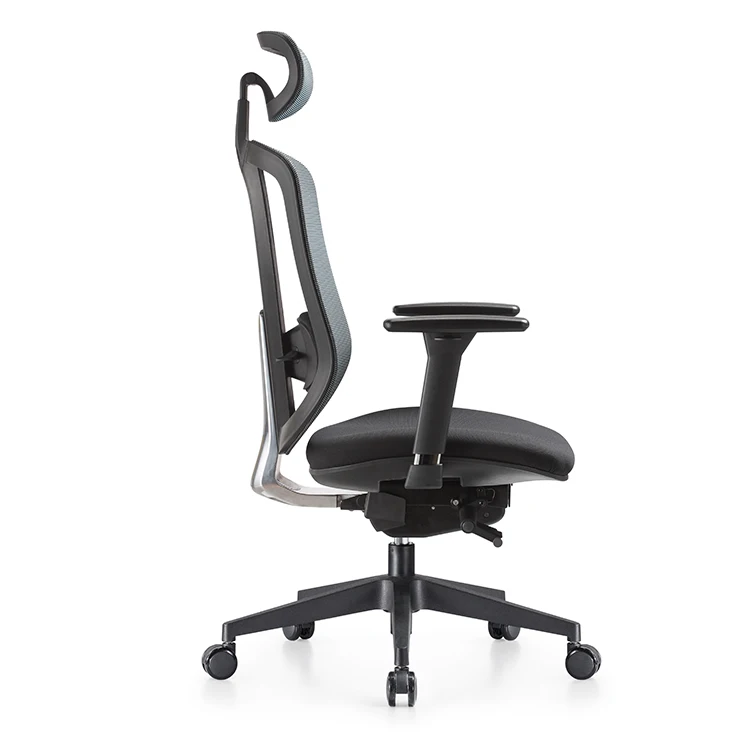
The ergonomic design of the dental operator stool stands as its most compelling feature, addressing the critical health challenges faced by dental professionals worldwide. This sophisticated design approach goes far beyond basic comfort considerations, incorporating decades of research into occupational health and biomechanical principles specific to dental practice environments. The ergonomic foundation begins with the seat contour, which has been carefully engineered to distribute weight evenly across the practitioner's body while maintaining optimal blood circulation in the legs and lower extremities. The dental operator stool's backrest provides crucial lumbar support that maintains the natural curve of the spine, preventing the slouching and forward head posture that commonly develops during detailed dental work. This support system is particularly vital during lengthy procedures where practitioners must maintain focused attention on precise movements within the confined oral cavity. The adjustable features extend beyond simple height modification to include seat tilt mechanisms that allow practitioners to find their optimal working angle for different procedures. This adjustability proves especially valuable when working on posterior teeth or performing complex restorative procedures that require varied access angles. The armrest positioning, when included, supports the practitioner's arms and shoulders, reducing fatigue in the upper extremities during intricate work. The long-term health benefits of using a properly designed dental operator stool are substantial and well-documented. Regular use helps prevent the development of musculoskeletal disorders that are prevalent among dental professionals, including chronic back pain, neck strain, and carpal tunnel syndrome. By maintaining proper posture throughout the workday, practitioners experience less fatigue and can maintain their career longevity while preserving their physical health. The ergonomic design also contributes to improved hand stability and precision, as practitioners who are comfortable and properly supported can focus entirely on their clinical skills rather than compensating for physical discomfort. This enhanced stability directly translates to better treatment outcomes and increased patient satisfaction.
Superior Mobility and Positioning Capabilities

Superior Mobility and Positioning Capabilities

The mobility features of the dental operator stool represent a revolutionary advancement in dental practice efficiency, transforming how practitioners navigate their treatment environment. The sophisticated caster system employed in premium dental operator stools consists of five high-quality wheels that provide omnidirectional movement with minimal effort required from the practitioner. These wheels are specifically engineered to roll smoothly across various flooring surfaces commonly found in dental offices, including tile, vinyl, and carpeted areas, while maintaining stability during use. The dental operator stool's mobility extends beyond simple movement, offering practitioners unprecedented access to all areas around the patient chair without the need for standing or repositioning. This seamless mobility allows dentists to maintain continuous visual contact with their work area while smoothly transitioning between different procedural positions. The ability to quickly move from the patient's right side to left side, or from a posterior to anterior approach, without interrupting the treatment flow significantly enhances procedural efficiency and reduces treatment times. The positioning capabilities of the dental operator stool are further enhanced by its stable base design, which provides a secure platform even when practitioners lean or reach in various directions. The five-point base distributes weight evenly, preventing tipping or instability that could compromise patient safety or treatment quality. Many models feature a foot ring that provides additional support and leverage when practitioners need to position themselves at lower heights or when working with shorter patients. The smooth gliding action of quality dental operator stools is achieved through precision-engineered bearings and wheel mechanisms that require minimal maintenance while providing years of reliable service. This reliability ensures that practitioners can depend on their stool's mobility features throughout busy treatment schedules without concern for mechanical failures or performance degradation. The positioning versatility offered by these stools accommodates practitioners of various heights and working preferences, making them suitable for shared practice environments where multiple dentists utilize the same equipment. The enhanced access provided by superior mobility features directly impacts treatment quality, allowing practitioners to maintain optimal visual angles and hand positions throughout complex procedures.
Durable Construction with Easy Maintenance

Durable Construction with Easy Maintenance

The construction quality of professional dental operator stools sets them apart from standard office seating, reflecting the demanding requirements of dental practice environments where durability, hygiene, and consistent performance are essential. The dental operator stool's frame typically consists of high-grade aluminum or steel components that provide exceptional strength while maintaining a relatively lightweight profile for easy mobility. This robust construction ensures that the stool can withstand the constant movement, weight shifts, and positioning changes that characterize busy dental practices without developing structural weaknesses or mechanical failures. The upholstery materials selected for quality dental operator stools are specifically chosen for their resistance to the chemicals and disinfectants routinely used in dental offices. These medical-grade vinyl or leather surfaces feature seamless construction that eliminates crevices where bacteria could accumulate, supporting stringent infection control protocols required in modern dental practices. The material composition allows for thorough cleaning with hospital-grade disinfectants without degrading the surface texture or color, maintaining a professional appearance throughout the stool's service life. The maintenance requirements of well-designed dental operator stools are minimal, reflecting their engineered reliability and quality construction. The hydraulic or pneumatic adjustment mechanisms are sealed systems that require no regular servicing while providing consistent performance over many years of use. The caster wheels feature self-lubricating bearings that eliminate the need for regular maintenance while ensuring smooth operation. When maintenance is required, most components are easily accessible and replaceable, minimizing downtime and service costs. The long-term economic benefits of investing in durable dental operator stools become apparent when considering the total cost of ownership. While initial investment costs may be higher than basic seating options, the extended service life, minimal maintenance requirements, and consistent performance of quality stools result in lower overall costs. The reliability of professional-grade dental operator stools also eliminates the productivity losses associated with equipment failures or the need for frequent replacements. The infection control advantages provided by durable, easy-to-clean surfaces contribute to practice safety and regulatory compliance, reducing the risk of cross-contamination and supporting positive patient outcomes. This construction quality ultimately represents an investment in practice professionalism and operational efficiency that delivers returns through enhanced functionality and reduced long-term costs.