
 EN
EN
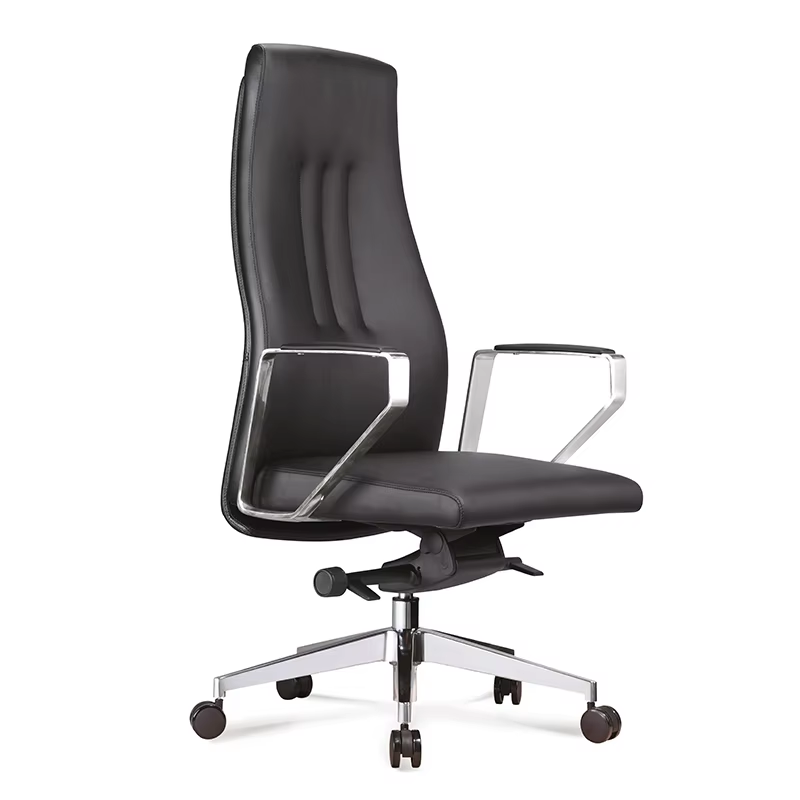
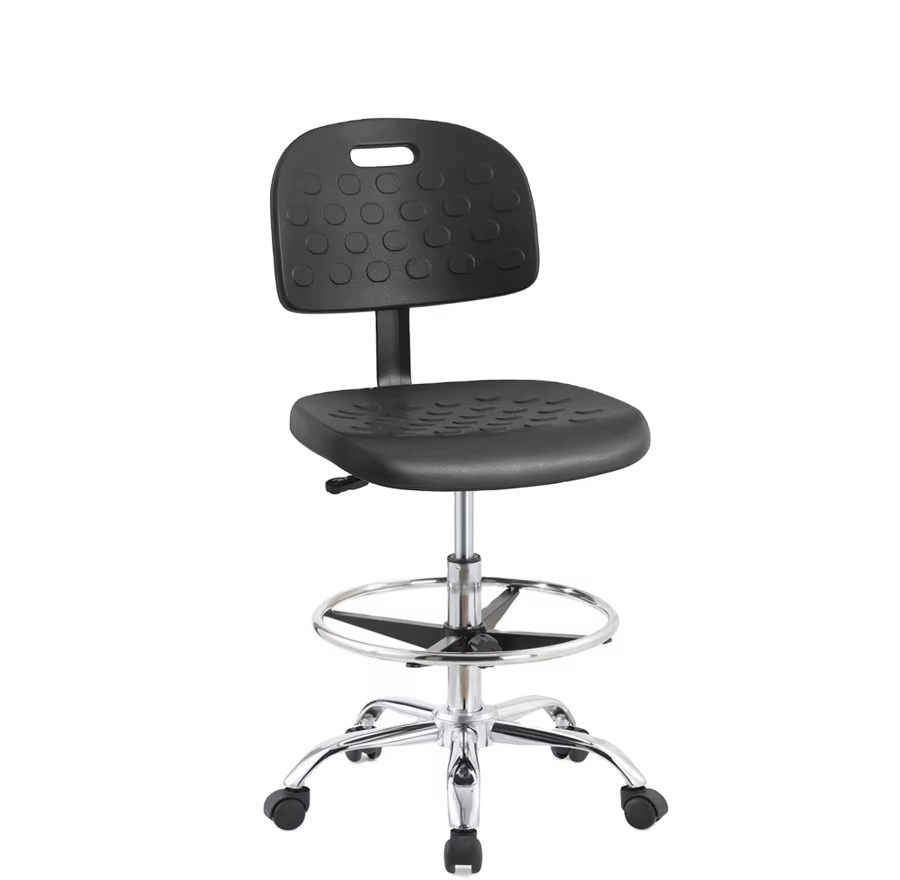
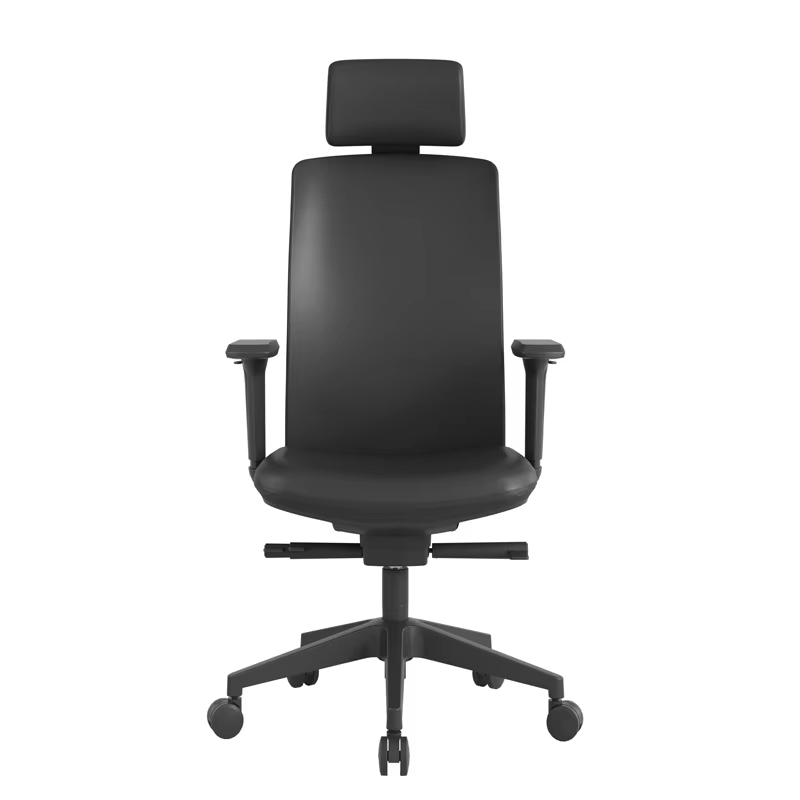
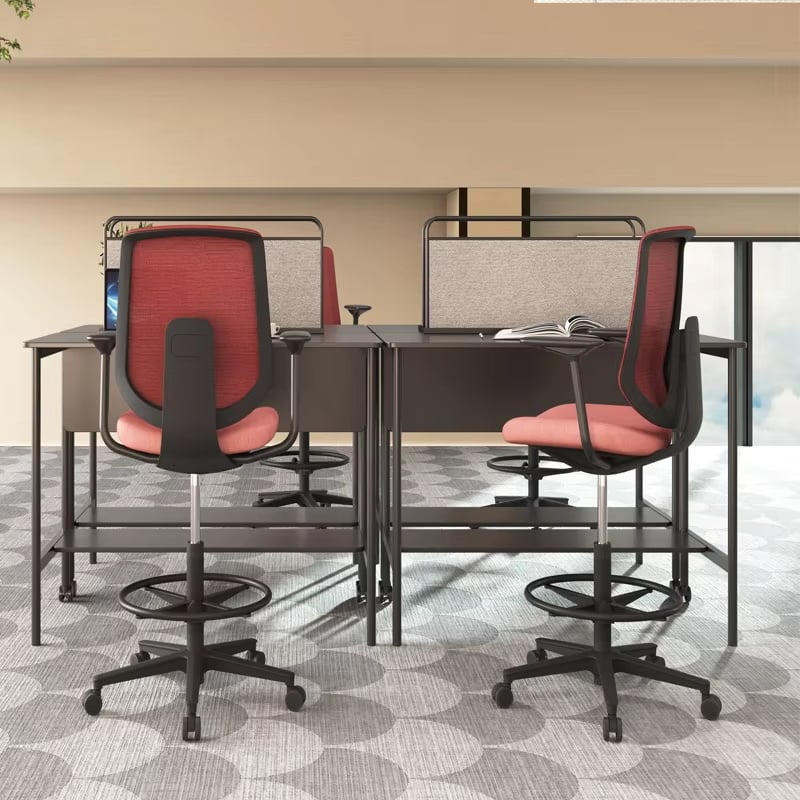
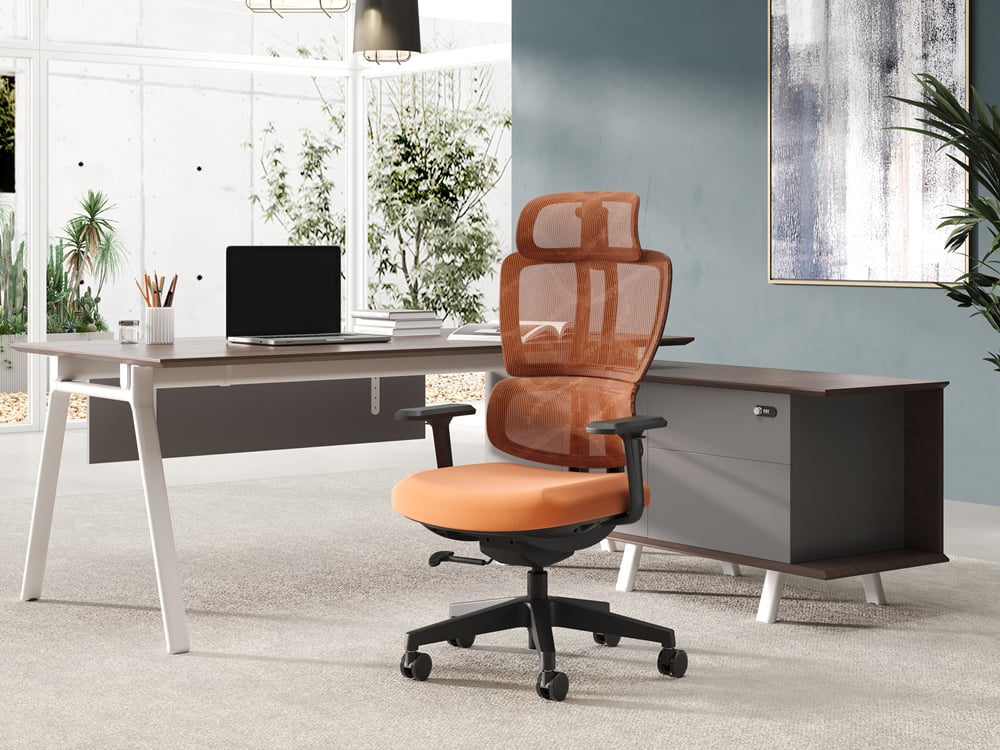
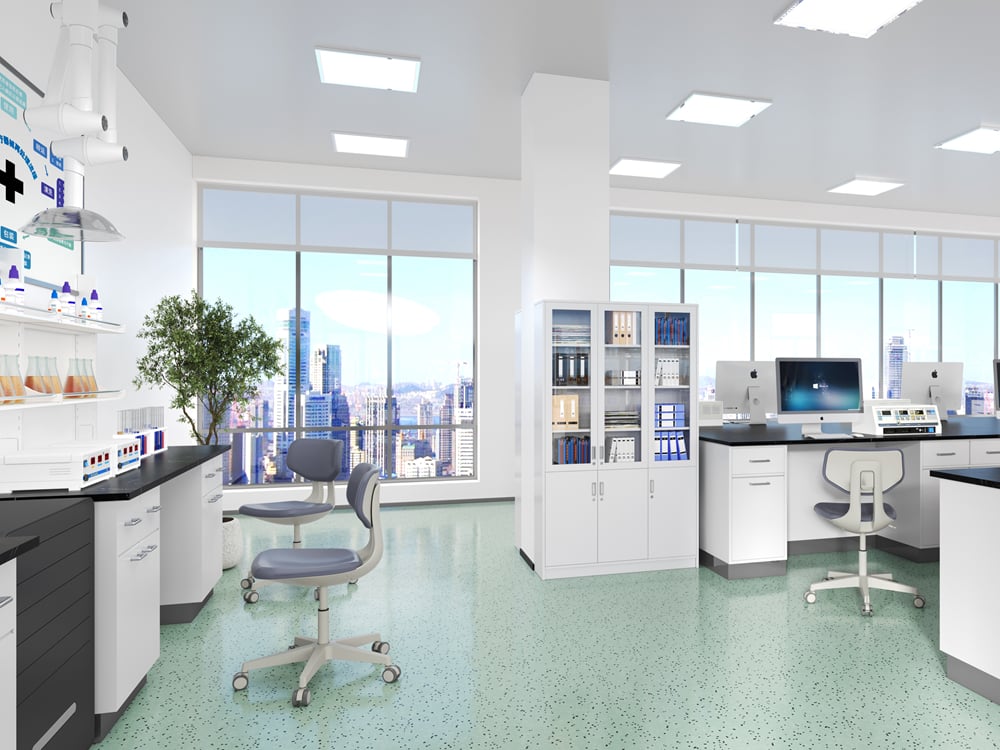
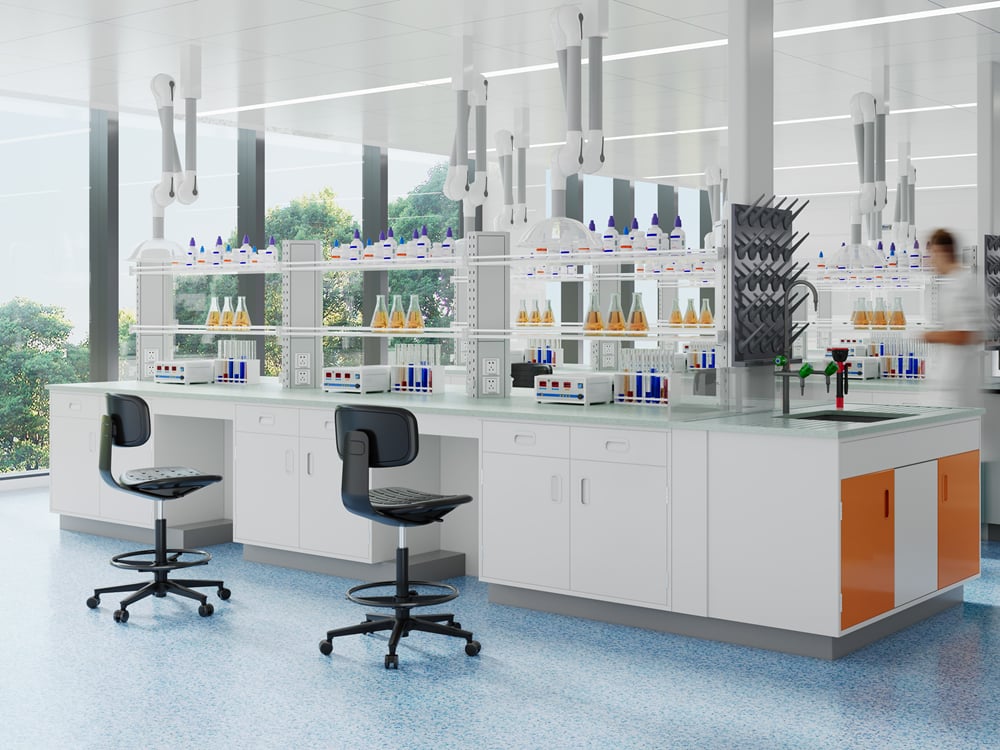
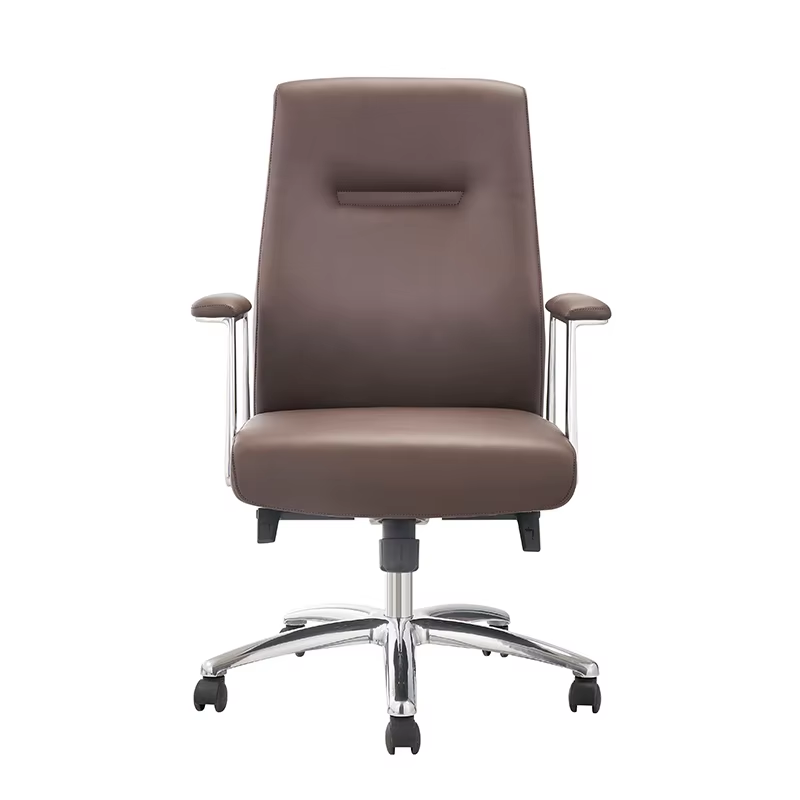
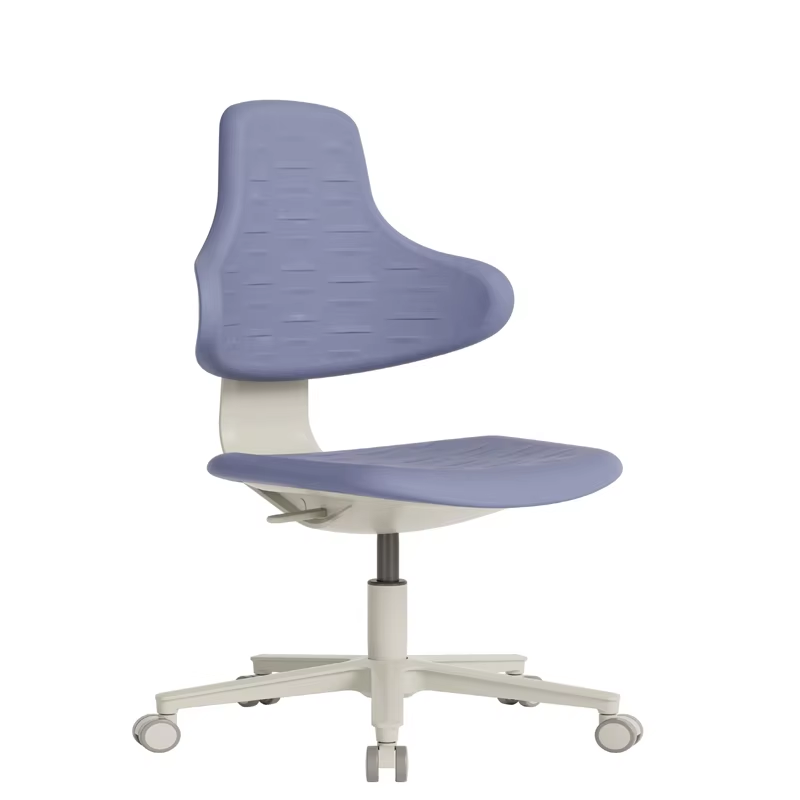
The efficiency of technical workspaces hinges on numerous factors, with ergonomic furniture playing a pivotal role in maintaining productivity and reducing operational disruptions. A specialized laboratory chair serves as more than just seating—it functions as a critical component in creating an optimized work environment that directly impacts research quality, staff performance, and overall workspace effectiveness. Understanding how proper seating solutions contribute to laboratory efficiency requires examining the intersection of ergonomic design, technical requirements, and workplace dynamics that define modern research facilities.
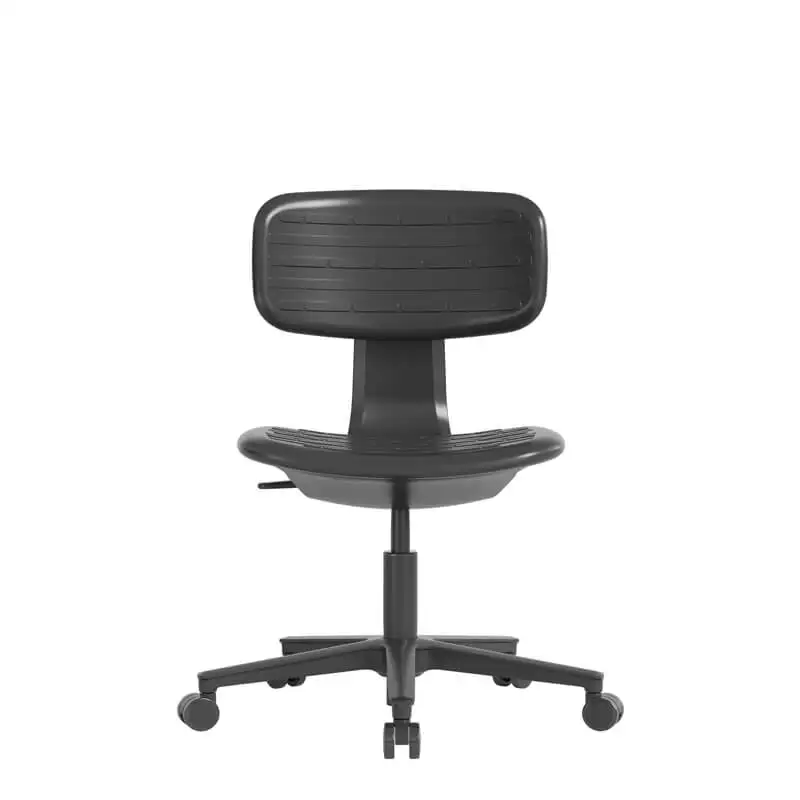
Technical workspaces demand furniture that adapates to both human needs and environmental challenges, making the selection of appropriate seating a strategic decision that influences multiple operational aspects. A well-designed laboratory chair addresses specific challenges inherent in research environments, including contamination control, extended work periods, precise task execution, and the need for mobility within confined spaces. These factors collectively determine how seating choices can either enhance or hinder the efficiency of critical laboratory operations.
Ergonomic Design Features That Drive Laboratory Productivity
Height Adjustability and Workspace Compatibility
The ability to adjust seating height represents a fundamental efficiency factor in laboratory environments where workstation heights vary significantly. A quality laboratory chair incorporates pneumatic height adjustment mechanisms that allow technicians to achieve optimal positioning relative to laboratory benches, microscopes, and analytical instruments. This adjustability prevents the physical strain that occurs when workers adapt to fixed-height seating, reducing fatigue-related errors and maintaining consistent performance throughout extended work sessions.
Proper height adjustment also ensures that laboratory personnel can maintain appropriate posture while performing detailed tasks such as pipetting, sample preparation, or microscopic analysis. When seating height aligns correctly with work surface elevation, technicians experience less shoulder tension, reduced back strain, and improved visual alignment with their work materials. These ergonomic benefits translate directly into enhanced accuracy and reduced time lost to physical discomfort or repositioning.
Back Support and Posture Maintenance
Laboratory work often requires prolonged periods of concentration in seated positions, making adequate lumbar support essential for maintaining productivity. An effective laboratory chair provides adjustable back support that accommodates the natural curvature of the spine while allowing for the slight forward lean commonly required during precision laboratory tasks. This support structure prevents the slouching and forward head posture that typically develop during extended periods of detailed work.
The design of laboratory chair back support must balance comfort with the need for unrestricted arm movement during laboratory procedures. Open-back designs or contoured support systems allow technicians to reach across workstations, manipulate equipment, and perform complex procedures without feeling restricted by their seating. This freedom of movement contributes to workflow efficiency by eliminating the need to frequently adjust position or stand to complete routine tasks.
Material Properties and Environmental Adaptability
Chemical Resistance and Contamination Control
The materials used in laboratory chair construction directly impact workspace efficiency by determining how easily seating can be maintained and how well it withstands exposure to chemicals, biological materials, and cleaning agents. High-quality laboratory seating incorporates materials such as polyurethane, vinyl, or specially treated fabrics that resist staining, absorption, and degradation from common laboratory substances. This resistance reduces the time required for cleaning and maintenance while ensuring that seating remains hygienic and professional in appearance.
Easy-to-clean surfaces eliminate the efficiency losses associated with frequent furniture replacement or extensive decontamination procedures. A laboratory chair with appropriate material properties can be quickly wiped down between uses, sanitized according to laboratory protocols, and returned to service without extended downtime. This rapid turnaround capability becomes particularly important in busy laboratories where seating must be shared among multiple shifts or different research teams.
Electrostatic Discharge Prevention
In technical workspaces where sensitive electronic equipment or volatile materials are present, electrostatic discharge (ESD) protection becomes a critical efficiency factor. Specialized laboratory chair designs incorporate ESD-safe materials and grounding mechanisms that prevent static buildup while maintaining the comfort and adjustability features essential for productive work. This protection eliminates equipment damage risks and reduces the need for complex grounding procedures that can slow laboratory workflows.
ESD-safe laboratory seating typically features conductive materials in key contact points, allowing static charges to dissipate safely through the chair structure to ground connections. This built-in protection enables technicians to move freely around their workspace without concerns about static discharge affecting sensitive instruments or creating safety hazards with flammable materials. The result is improved confidence and reduced hesitation in equipment operation, contributing to overall workflow efficiency.
Mobility and Workspace Navigation Enhancement
Caster Design and Movement Efficiency
The mobility characteristics of a laboratory chair significantly influence how efficiently technicians can navigate their workspace and access different areas of laboratory benches or equipment stations. Quality laboratory seating incorporates dual-wheel casters designed for smooth rolling across various floor surfaces while providing stability during stationary work periods. The wheel selection must balance ease of movement with appropriate resistance to prevent unintended chair migration during precision tasks.
Proper caster design also considers the flooring materials common in laboratory environments, including epoxy coatings, tile, and anti-fatigue mats. A well-designed laboratory chair incorporates wheels that roll smoothly across these surfaces without collecting debris or leaving marks that require additional cleaning efforts. This mobility efficiency reduces the physical effort required to reposition during work tasks and minimizes interruptions to laboratory workflows.
Base Stability and Safety Features
The base design of laboratory seating directly affects both safety and efficiency by providing stable support during various work activities while enabling controlled movement when necessary. Five-point base configurations offer optimal stability for laboratory applications, distributing weight effectively and preventing tipping even when technicians lean to reach equipment or materials. This stability allows personnel to work confidently without concerns about chair movement interfering with precise procedures.
Advanced laboratory chair designs may incorporate features such as brake mechanisms that temporarily lock casters during stationary work or wider base spreads that enhance stability without impeding mobility. These design elements contribute to efficiency by allowing technicians to focus entirely on their work without distraction from seating stability concerns or the need to frequently readjust their position to maintain balance.
Task-Specific Adaptability and Workspace Integration
Footrest Integration and Extended Standing Support
Many laboratory procedures benefit from elevated seating positions that allow technicians to work at standing-height benches while maintaining some seated support. Laboratory chair designs that incorporate adjustable footrests enable this elevated positioning while providing leg support that prevents fatigue during extended work periods. This intermediate positioning between full sitting and standing optimizes comfort while maintaining the alertness and reach capabilities required for laboratory tasks.
Footrest design must accommodate the range of technician heights while providing stable support that doesn't interfere with chair mobility or adjustment functions. Ring-style footrests that encircle the chair base offer 360-degree support regardless of chair rotation, while adjustable footrests can be positioned to match individual comfort requirements. These features contribute to efficiency by reducing leg fatigue and enabling technicians to maintain optimal working positions for extended periods.
Armrest Functionality and Workspace Clearance
The role of armrests in laboratory seating requires careful consideration of how these features interact with laboratory benches, equipment, and work procedures. Adjustable or removable armrests provide flexibility for different work scenarios, supporting technician comfort during documentation or computer work while allowing unobstructed access to laboratory equipment when necessary. This adaptability prevents armrests from becoming barriers to efficient workspace utilization.
Laboratory chair armrest design must also consider the clearance requirements for sliding under laboratory benches and working close to equipment installations. Low-profile or fold-away armrest configurations enable chairs to be positioned optimally for various tasks without compromising seating comfort or requiring multiple chair types for different work activities. This versatility enhances workspace efficiency by eliminating the need to change seating based on task requirements.
Long-Term Durability and Operational Cost Efficiency
Component Quality and Maintenance Requirements
The long-term efficiency benefits of quality laboratory seating extend beyond immediate comfort and functionality to encompass durability factors that influence operational costs and workspace availability. High-grade components such as industrial-strength gas cylinders, reinforced base structures, and commercial-grade upholstery materials ensure that laboratory chair performance remains consistent over extended periods of use. This reliability reduces the frequency of repairs, replacements, and associated downtime that can disrupt laboratory operations.
Quality laboratory chair construction incorporates easily replaceable components such as casters, armrests, and seat covers that can be serviced without requiring complete chair replacement. This modular approach to chair design supports efficiency by enabling rapid repairs and customization updates that extend furniture lifespan while minimizing replacement costs. Laboratories can maintain optimal seating conditions without the expense and disruption of frequent furniture procurement.
Warranty Coverage and Performance Guarantees
Comprehensive warranty coverage on laboratory seating represents an efficiency investment by providing protection against premature component failure and ensuring access to replacement parts and service support. Quality manufacturers typically offer multi-year warranties that cover both structural components and operational mechanisms, providing laboratories with confidence in their seating investments and budget predictability for furniture-related expenses.
Extended warranty programs often include provisions for component replacement, repair services, and performance guarantees that ensure laboratory chair functionality remains consistent throughout the warranty period. These protections contribute to operational efficiency by eliminating unexpected furniture expenses and ensuring that seating performance doesn't degrade over time due to component wear or premature failure.
FAQ
How does proper laboratory chair height adjustment impact work accuracy?
Proper height adjustment ensures optimal visual alignment with work surfaces and instruments, reducing eye strain and enabling more precise manipulation of laboratory equipment. When technicians can position themselves at the correct height relative to their work, they experience less physical fatigue and can maintain steady hand control for extended periods, directly improving the accuracy of measurements, sample handling, and analytical procedures.
What materials should laboratory chairs use to withstand chemical exposure?
Laboratory chairs should incorporate materials such as polyurethane, vinyl, or chemically-resistant synthetic fabrics that can withstand exposure to common laboratory chemicals, disinfectants, and cleaning agents without deteriorating or absorbing contaminants. These materials should be non-porous, easy to clean, and resistant to staining, ensuring that seating remains hygienic and maintains its appearance throughout its service life.
How do ESD-safe laboratory chairs contribute to equipment protection?
ESD-safe laboratory chairs prevent the buildup of static electricity that can damage sensitive electronic equipment or create safety hazards in environments with flammable materials. These chairs incorporate conductive materials and grounding mechanisms that safely dissipate static charges, allowing technicians to work confidently around expensive analytical instruments without risk of electrostatic discharge damage.
What maintenance practices keep laboratory chairs functioning efficiently?
Regular maintenance includes cleaning upholstery with appropriate disinfectants, lubricating moving parts such as casters and height adjustment mechanisms, inspecting and tightening connection points, and replacing worn components before they affect chair performance. Establishing a routine maintenance schedule helps ensure consistent chair operation and prevents minor issues from developing into major problems that could disrupt laboratory operations.


