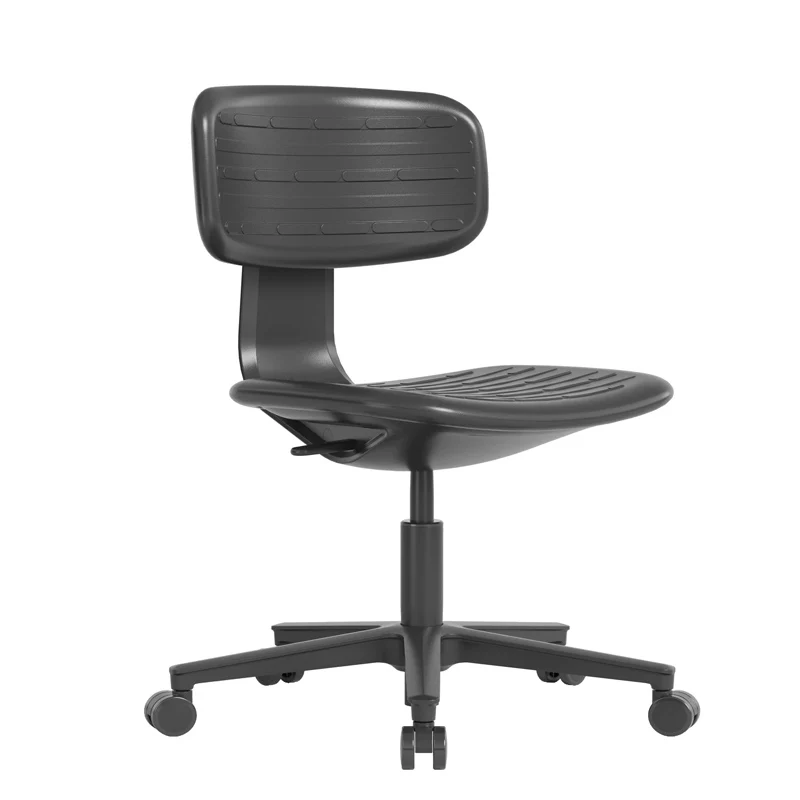
አንቲ-ስታቲክ የላቦራቶሪ በረራ
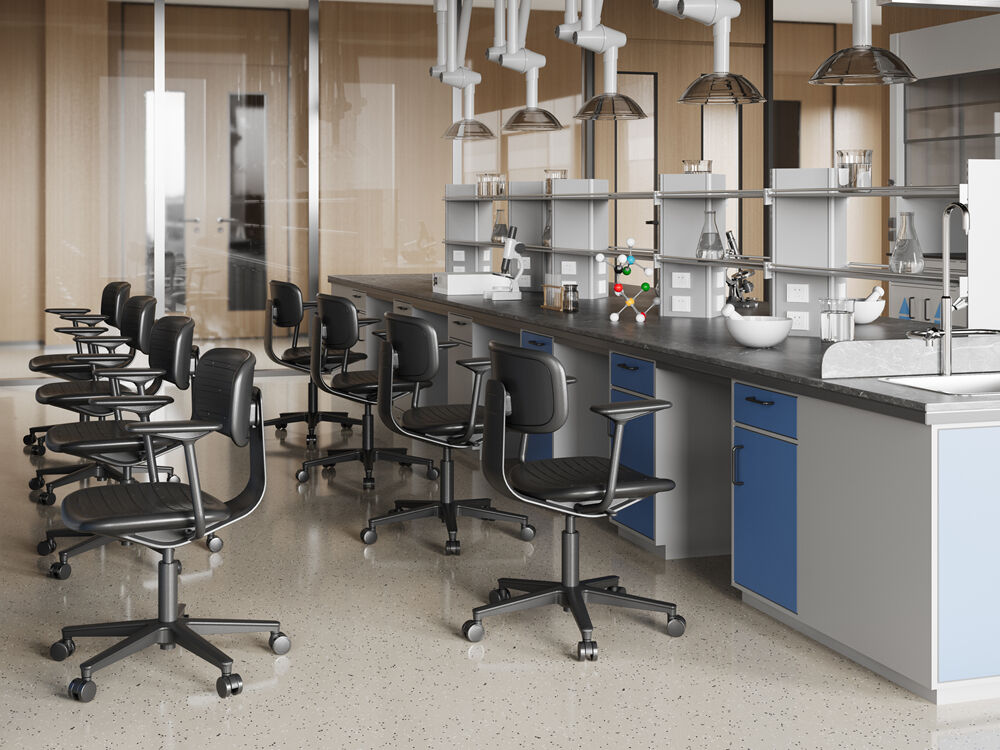
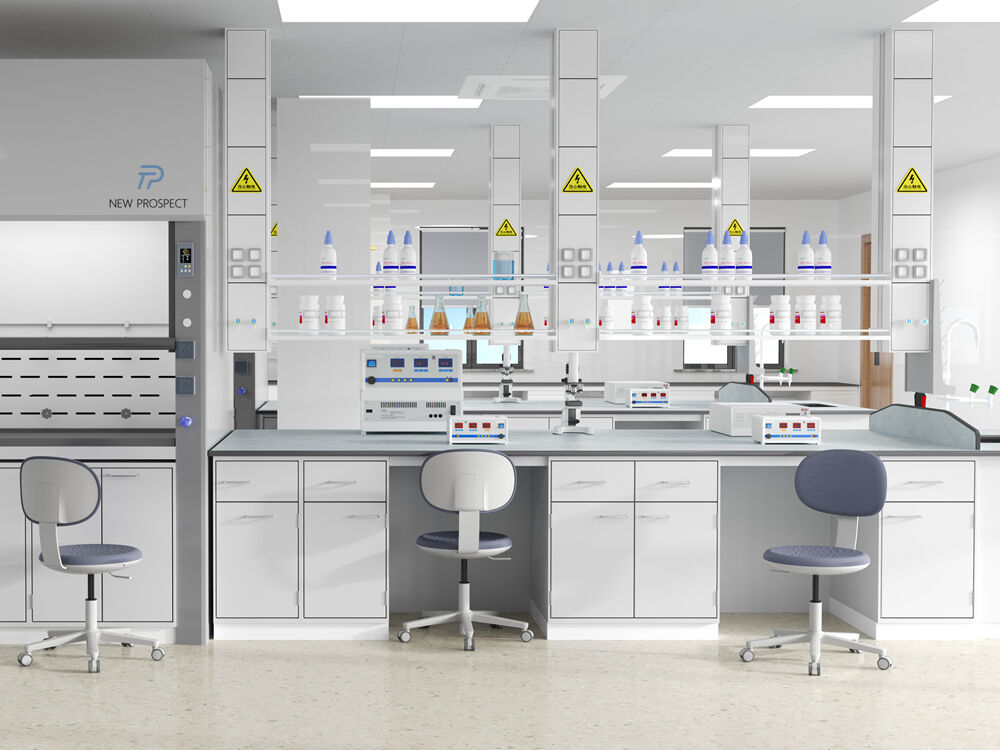
የአንቲ-ስታቲክ የላቦራቶሪ ቀዳዳ የተለየ የመቀመጫ መፍትሄ ነው የበልጣብረው ለላቦራቶሪ አካባቢዎች የተዘጋጅቷል፣ የስታቲክ ኤሌክትሪስቲ እዚህ ላይ የሚገኙ የማሽን አካላት፣ የሙከራ ሂደቶች እና የሰው ልጆች ደህንነት ላይ ትልቅ አደጋ ይፈጥራል። ይህ የተሻሻለ ቀዳዳ የተለየ የአንቲ-ስታቲክ ቴክኖሎጂ ይጠቀማል እና የስታቲክ ኤሌክትሪስቲ በላቦራቶሪ ሂደቶች ውስጥ ሲሰራ የማይሰራጩ እና የማይለቀሉ የስታቲክ ኤሌክትሪስቲ የሚፈጠር የተቆጣጠረ አካባቢ ይፈጥራል። የአንቲ-ስታቲክ የላቦራቶሪ ቀዳዳ ዋና ተግባር የኤሌክትሪክ አነስተኛነትን ማስቀመጥ ነው በማድረግ የስታቲክ ኮስቶች ወደ ግራውንድ በደህንነት ለመለቀል የተዘጋጅቷል ስለዚህ የላቦራቶሪ ቴክኒሻኖች እና የምርምር ባለሙያዎች የሚጠቀሙባቸው የኤሌክትሮኒክ መሳሪያዎች ወይም የኬሚካል ሂደቶች ላይ በማንሳት የማይጠፋ ሁኔታ ላይ ሊሰሩ ይችላሉ። ይህ ቀዳዳ የተዋሃዱ የኤሌክትሪክ ቁሳቁስ በሁሉም አካል ውስጥ ይገኛሉ፣ የተለየ የስንሶ ወይም የሜታል አካላት እና የግራውንድ ስርዓቶች የስታቲክ ኮስቶች ማሰናጃ ይረዳሉ። ዋና የቴክኖሎጂ ባህሪዎች የተዋሱ የቪኒል ወይም የስንሶ አካል የሚሸፍን አካል ነው ይህ የኤሌክትሪክ ባህሪያት በጊዜ ውስጥ ቋሚ ይቆያል፣ የፍጥነት ማስተካከያ የፍርድ ምክንያት የአንቲ-ስታቲክ ችሎታ ያለው፣ እና የተዋሱ የግራውንድ ስርዓቶች የቀዳዳውን ወደ የፋሲሊቲ ግራውንድ ነጥብ የሚገናኙ ናቸው። የቀዳዳው መሠረት በተለይ የተዋሱ የካስተር ወይም የግላይድ አካላት ይጠቀማል ይህ የኤሌክትሪክ ተከታታይነት በላቦራቶሪ ፍሎር ላይ በማንሳት ጊዜ ይጠበቃል። የተሻሻለ ምርት የተለየ የተቃውሞ ማስተካከያ ስርዓት ይጠቀማል ይህ የቀዳዳውን የአንቲ-ስታቲክ ስራ በአሁኑ ጊዜ የሚያሳየው ነው እና የተቀጠረ የደህንነት ጥበቃ ይረዳል። የአንቲ-ስታቲክ የላቦራቶሪ ቀዳዳ ጥቅሞች በብዙ የኢንዱስትሪ ዘርፎች ውስጥ ይዘዋል፣ የኤሌክትሮኒክስ ምርት፣ የፋርማሶቱቲካል ምርምር፣ የባዮቴክኖሎጂ ላቦራቶሪዎች፣ የክሊን ሮም ፋሲሊቲዎች እና የሴሚኮንዳክተር ምርት አካባቢዎች። እነዚህ የተለዩ ቀዳዳዎች በተለይ የኤሌክትሮኒክስ አካላት ላይ ስራ ሲደረግ፣ በትክክለኛ መለኪያ ሲካሄድ ወይም በእንጨት የሚሰራ ነገር ላይ ስራ ሲደረግ የስታቲክ ኤሌክትሪስቲ የሚያስከትለው አደጋ የሚፈጠር አካባቢዎች ውስጥ አስፈላጊ ናቸው። የአንቲ-ስታቲክ የላቦራቶሪ ቀዳዳ የተጠናቀቀ የኤሌክትሮስታቲክ ዲስቾርጅ (ESD) የደህንነት ስርዓት ውስጥ አስፈላጊ አካል ነው፣ እና ሌሎች የአንቲ-ስታቲክ መሳሪያዎች ጋር በጋራ ስራ በላቦራቶሪ አካባቢዎች ውስጥ ትክክለኛነት እና ደህንነት በጣም አስፈላጊ የሆኑበት ጊዜ የደህንነት ሁኔታ ይጠብቃል።





 EN
EN