
 EN
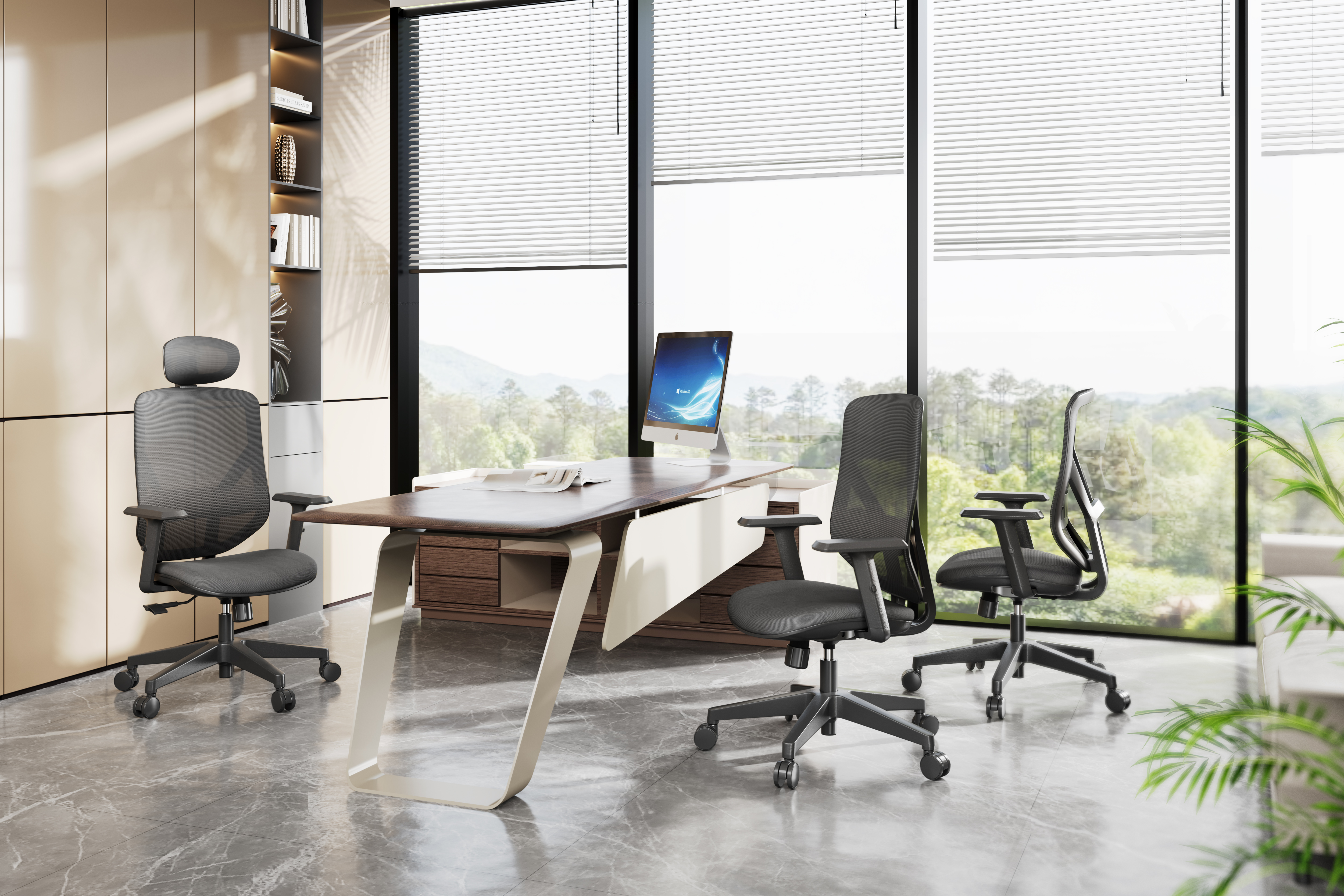
An executive chair and a standard office chair can both support daily desk work, but they are designed around different priorities. An executive chair often emphasizes a higher back, a more substantial profile, and a formal appearance, while a standard office chair typically focuses on practical support and a compact footprint. The right comparison depends on how long people sit, what tasks they perform, and how the chair fits the workplace.
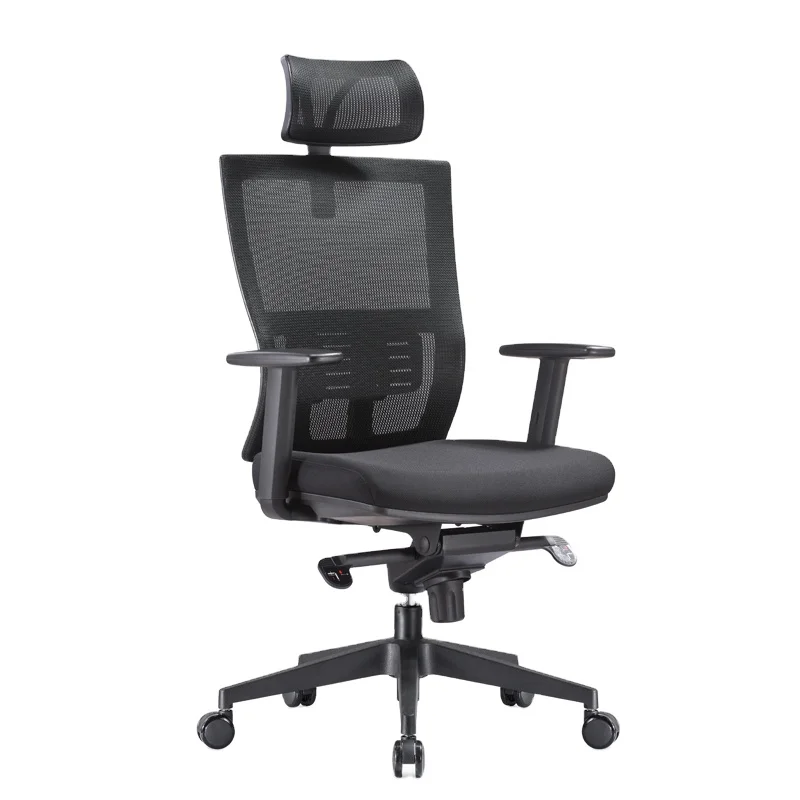
The label alone does not establish comfort, durability, or ergonomic quality. A well-chosen executive chair should suit its user and work pattern, just as a standard model should. This comparison explains the practical differences in design, support, adjustability, and purchasing considerations, so facilities teams and office buyers can assess each executive chair against real workplace needs rather than appearance alone.
Design and workplace presence
Profile, materials, and visual fit
The most visible difference is usually shape. An executive chair commonly has a taller back, broader seat, and more prominent upholstery, giving it a formal presence in a private office or meeting room. A standard office chair is often visually lighter, with a smaller frame that can suit shared workstations. Neither profile guarantees a better executive chair; buyers should consider how each design relates to the room and its daily use.
Materials also influence appearance and upkeep. Upholstered surfaces can create a cohesive, refined look, while mesh or simpler fabric designs may feel more open in busy work areas. An executive chair with a substantial finish may need more careful cleaning, especially in high-contact environments. Evaluate the actual material, seams, and frame rather than assuming every executive chair uses the same construction or will age in the same way.
Space, movement, and room layout
A larger chair can occupy more floor area and may be harder to move between tightly arranged desks. Before choosing an executive chair, measure the workstation, allow room for the user to recline, and check clearance around drawers and walkways. A standard chair may be easier to position in a dense office, but a compact shape should not obstruct the user’s movement. Compare the chair footprint with the full working setup, not just an empty room.
The visual weight of an executive chair can be useful where seating needs to complement a formal office, but a row of large chairs may make a shared space feel crowded. Standard models can create a more consistent appearance across multiple stations and simplify space planning. For either choice, confirm seat height and arm clearance against the desk. These practical checks help determine whether an executive chair is suitable for the room rather than merely attractive in a product image.
Comfort and support during work
Back support and sitting duration
A high back may provide more contact along the upper back than a shorter standard design, which some users prefer during extended desk sessions. However, the back height of an executive chair does not by itself confirm good posture support. Check whether the shape follows the user’s back and whether lumbar support is present and appropriately positioned. A standard office chair with effective support can be a better fit than an executive chair whose contours do not match the user.
Comfort also depends on body dimensions, desk height, and the ability to change position. When assessing an executive chair, consider whether the seat depth leaves room behind the knees and whether the seat supports the user without pressure points. Ask employees who will use it to test the chair where possible. A standard chair can serve long workdays too, provided its fit and support suit the person; the category name is not a substitute for an individual fit check.
Adjustability and task requirements
Adjustment features determine how readily a chair can adapt to different users and tasks. Compare seat-height adjustment, tilt behavior, armrest position, and back support on each model. Some executive chair designs prioritize a cushioned, substantial feel, while some standard office chairs offer a more task-focused range of adjustments. Buyers should inspect the available controls and verify how they work rather than infer capability from styling or price.
Shared offices make adjustability especially important because employees may differ in height and preferred posture. An executive chair can work in a shared setting if its adjustments are intuitive and cover the users’ needs, but a fixed or limited setup may be inconvenient. For a dedicated desk, the buyer can assess fit against one person’s routine. In both cases, compare the executive chair with standard alternatives using the same posture and task criteria, including computer use and meetings.
Cost, selection, and daily operation
Evaluating value beyond appearance
An executive chair may cost more because of its size, materials, or finish, but the price should be judged against construction, service needs, and expected use. Compare the stated features and inspect the frame, upholstery, controls, and warranty terms. A standard office chair may meet operational requirements at a lower initial cost, while an executive chair may better match a formal setting. Neither option offers value automatically; the relevant question is whether its benefits matter to the organization.
For procurement, account for the full lifecycle rather than purchase price alone. Consider cleaning procedures, replacement parts, employee feedback, and how frequently the chair will be used. A high-use executive chair should be assessed for construction and maintenance just as carefully as a standard model. Where possible, trial representative users and record their comments about comfort, fit, and controls. This process creates a clearer basis for selecting an executive chair than relying on a visual impression or job title.
Matching chair type to the workplace
An executive chair may suit a dedicated office, a leadership workspace, or a reception setting where a more formal profile is appropriate. A standard chair may be a practical choice for open-plan stations, training rooms, and spaces where compact arrangement matters. These are starting points, not fixed rules. Confirm the actual user’s support requirements, room dimensions, and work pattern before assigning an executive chair to a particular role or space.
A useful decision is therefore based on fit across several factors: user comfort, adjustable features, available space, appearance, and ownership cost. If formal styling and a taller profile are priorities, an executive chair may be appropriate after its specifications are checked. If the workplace needs compact, repeatable seating, a standard model may be more suitable. The strongest choice is the one that supports daily tasks without creating avoidable layout or maintenance issues.
FAQ
Is an executive chair more comfortable than a standard office chair?
Not necessarily. An executive chair may offer a taller back or more cushioning, but comfort depends on body fit, support, and adjustability. Compare each chair against the intended user’s posture and working hours before deciding.
Does a high back mean an executive chair is more ergonomic?
No. A high back describes the chair’s profile, not the quality of its ergonomic support. Check lumbar positioning, seat depth, adjustment range, and whether the user can maintain a comfortable working posture.
When should an office choose a standard chair instead?
A standard chair may be preferable when space is limited, seating must be consistent across shared desks, or the required features are available in a simpler design. Base the decision on the workspace and users rather than the chair label.


