
 EN
EN
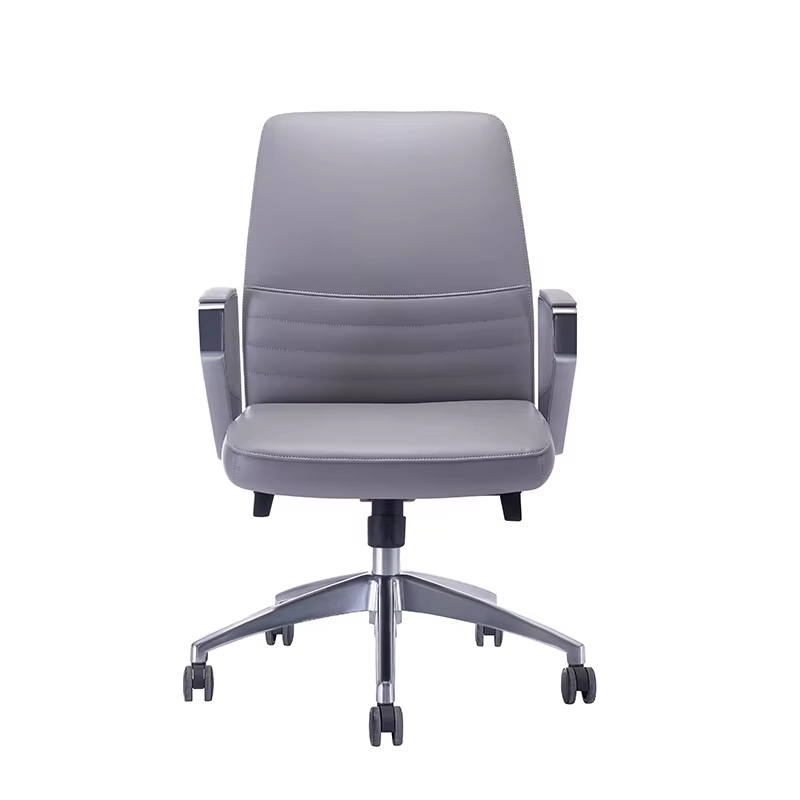
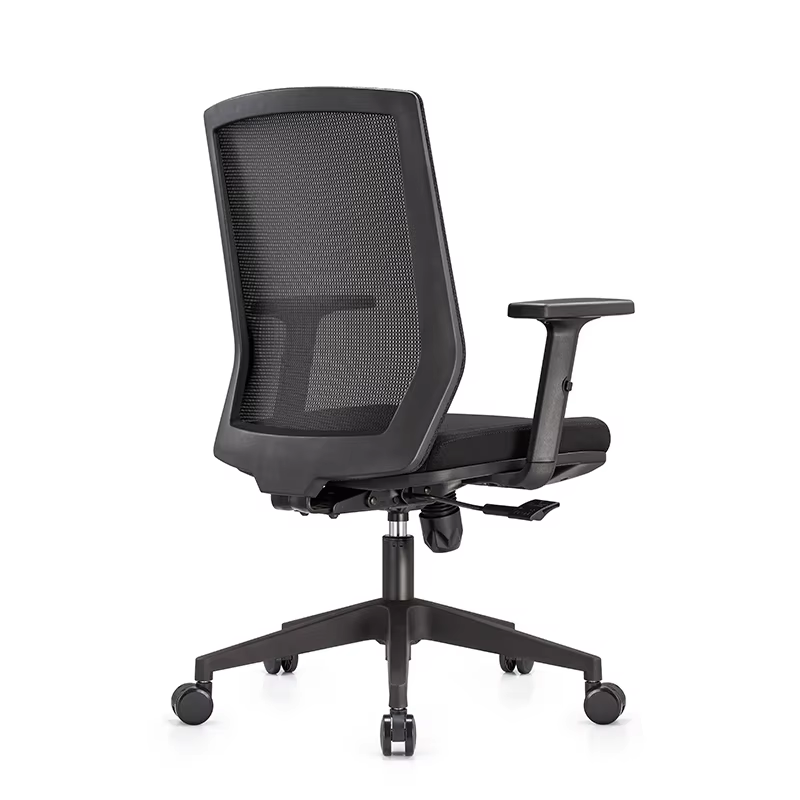
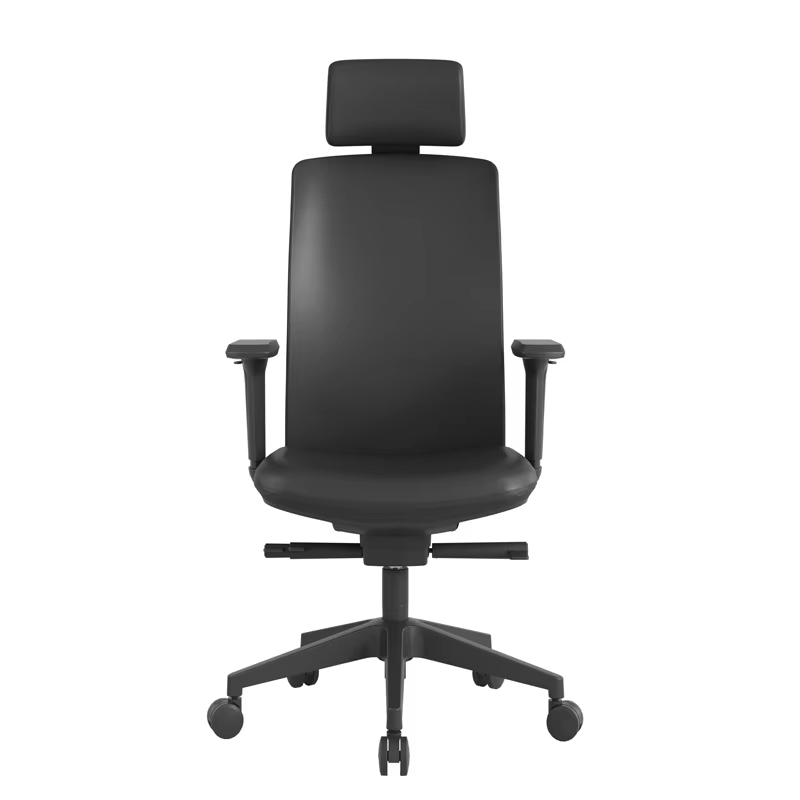
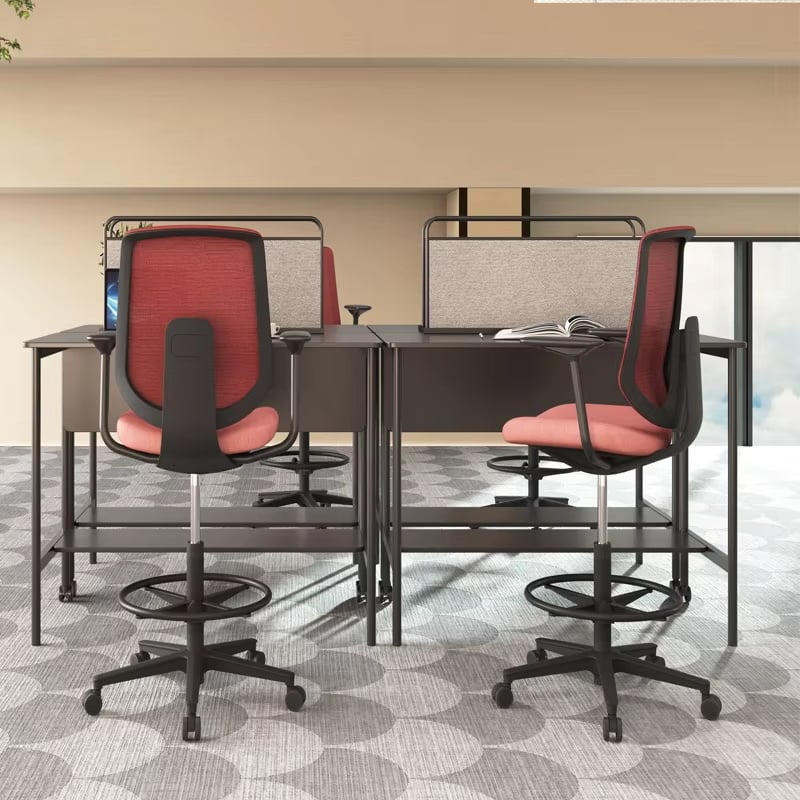
In contemporary workplaces, seating is no longer a purely functional necessity. Office environments have evolved into spaces that reflect brand identity, corporate culture, and employee well-being at the same time. Within this context, modern office chairs have taken on a dual role: they must visually complement refined interiors while also supporting the human body during long hours of work. How Do Modern Office Chairs Balance Aesthetics and Functional Ergonomics has therefore become a central consideration for designers, facility managers, and business owners alike. By combining thoughtful form, advanced materials, and science-based ergonomics, modern office chairs achieve a balance that satisfies both visual expectations and physical health requirements without compromise.
How Do Modern Office Chairs Balance Aesthetics and Functional Ergonomics?
The relationship between visual appeal and workplace perception
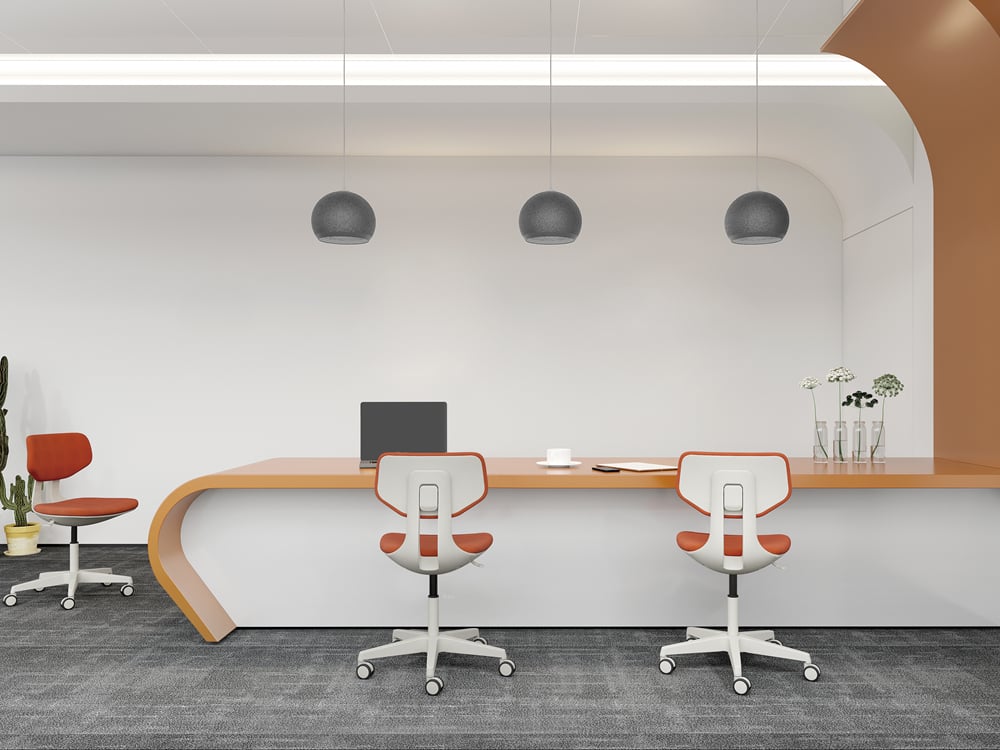
The appearance of office furniture strongly influences how a workspace is perceived by employees, visitors, and clients. Modern office chairs are often among the most visible elements in an office, making their aesthetic value especially important. Clean lines, harmonious proportions, and carefully selected materials contribute to a professional and cohesive environment.
How Do Modern Office Chairs Balance Aesthetics and Functional Ergonomics becomes evident when design choices support comfort rather than distract from it. A visually appealing chair that looks modern and refined can elevate the atmosphere of a workspace, creating a sense of order and quality. This visual harmony often enhances employee morale and reinforces a company’s attention to detail.
At the same time, aesthetics must never overpower usability. Designers of modern office chairs understand that visual simplicity often goes hand in hand with ergonomic clarity. When form follows function, the chair not only looks balanced but also intuitively supports the user’s posture and movement throughout the workday.
The importance of ergonomics in daily productivity
Functional ergonomics is the foundation of effective office seating. Modern office chairs are designed to support the spine, reduce muscle fatigue, and encourage healthy sitting habits. When asking how do modern office chairs balance aesthetics and functional ergonomics, the answer often lies in how seamlessly ergonomic features are integrated into the design.
Ergonomic support directly affects productivity. Chairs that properly support the lower back, shoulders, and neck help reduce discomfort and distraction. Over time, this can lead to improved concentration and fewer work-related musculoskeletal issues.
Modern office chairs aim to make ergonomic benefits feel natural rather than mechanical. Adjustable features are designed to be subtle, accessible, and visually integrated, allowing users to personalize comfort without disrupting the chair’s overall appearance.
Why balance matters more than ever in modern offices
As work patterns change and employees spend extended periods seated, the balance between aesthetics and ergonomics becomes increasingly critical. Offices are no longer just places to work; they are environments that influence health, creativity, and collaboration. How Do Modern Office Chairs Balance Aesthetics and Functional Ergonomics reflects this shift toward holistic workplace design.
An imbalance in either direction can lead to problems. A chair that looks stylish but lacks ergonomic support can cause discomfort and long-term health issues. Conversely, a purely functional chair with no aesthetic consideration may clash with interior design goals and reduce the perceived quality of the workspace.
Achieving balance ensures that modern office chairs contribute positively to both physical well-being and the overall visual identity of the office. This dual focus supports sustainable workplace design that benefits both employers and employees.
Design elements that enhance both form and comfort
Minimalist structures and ergonomic alignment
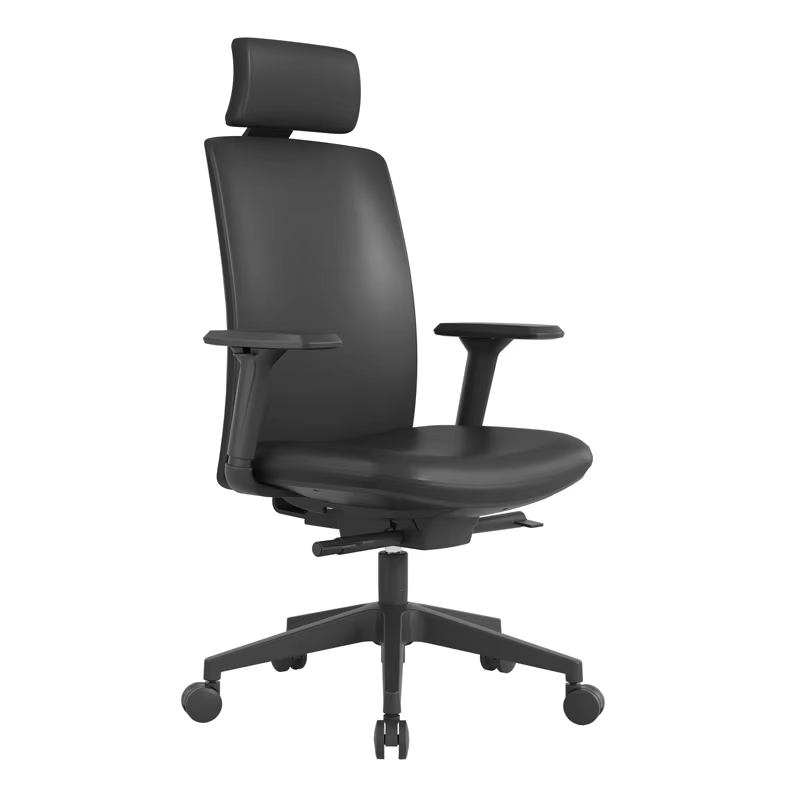
Minimalist design has become a defining characteristic of modern office chairs. Clean silhouettes and reduced visual clutter help chairs blend seamlessly into contemporary office interiors. At the same time, minimalist structures often enhance ergonomic alignment by focusing on essential support points.
How Do Modern Office Chairs Balance Aesthetics and Functional Ergonomics is clearly demonstrated in chairs that use streamlined frames to support the body’s natural posture. By eliminating unnecessary bulk, designers can emphasize lumbar support, seat contouring, and backrest curvature without visual distraction.
Minimalism also improves usability. When design elements are simplified, users can more easily understand how to sit correctly and adjust the chair. This intuitive interaction strengthens the connection between form and function in modern office chairs.
Material choices that support comfort and style
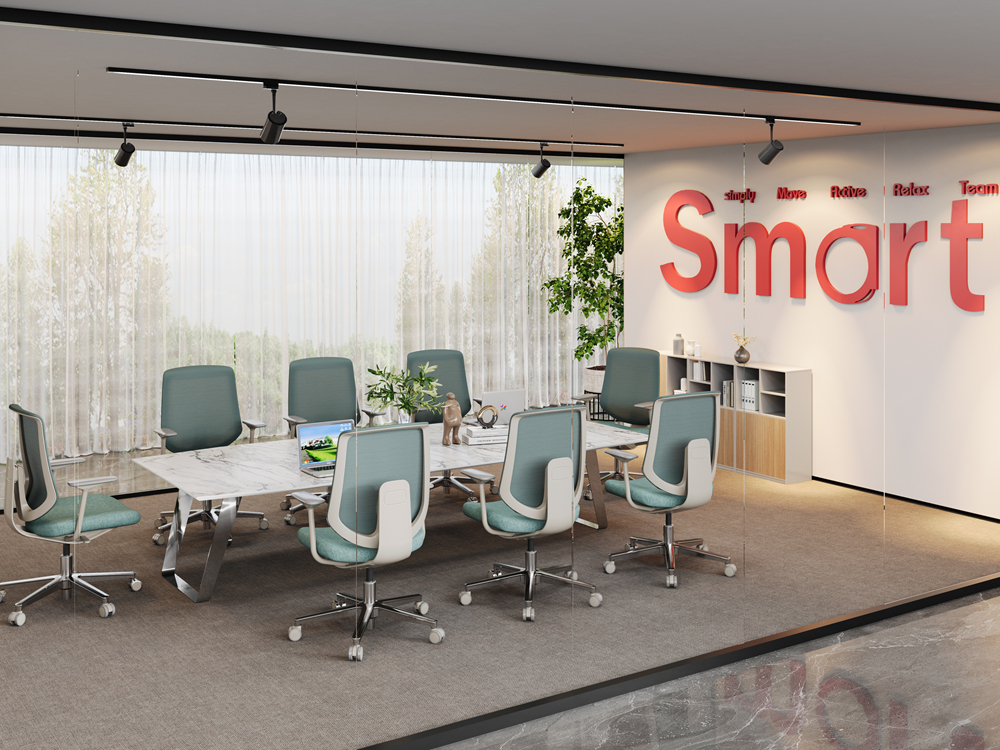
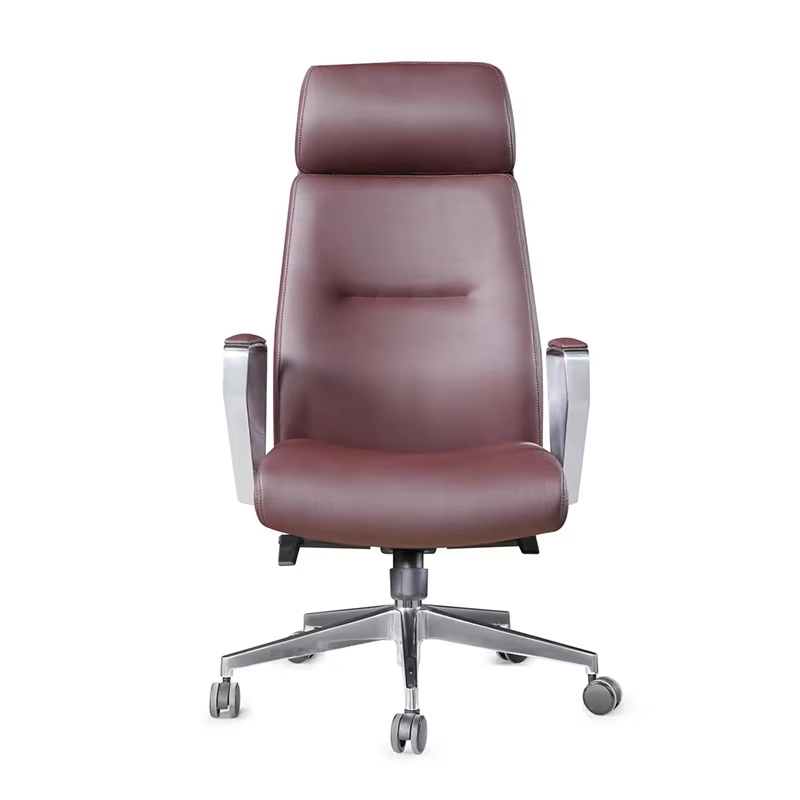
Material selection plays a crucial role in balancing aesthetics and ergonomics. Mesh, fabric, leather, and advanced polymers are commonly used in modern office chairs to achieve both visual appeal and physical comfort. Each material contributes differently to breathability, durability, and tactile experience.
Mesh materials, for example, provide a light and modern appearance while promoting airflow and temperature regulation. Upholstered fabrics offer warmth and texture, enhancing visual comfort while cushioning the body. How Do Modern Office Chairs Balance Aesthetics and Functional Ergonomics is reflected in how these materials are layered and combined to support the user.
High-quality materials also signal professionalism and longevity. When modern office chairs look refined and feel comfortable, they reinforce trust in the workspace and reflect a commitment to employee well-being.
Color, texture, and visual harmony
Color and texture are powerful tools in modern office chair design. Neutral tones support a calm and professional atmosphere, while subtle accents can add personality without overwhelming the space. Texture adds depth and visual interest while also influencing tactile comfort.
Balancing these elements requires careful consideration. How Do Modern Office Chairs Balance Aesthetics and Functional Ergonomics becomes clear when color choices complement the office interior while maintaining focus on ergonomic features. For example, highlighting support zones through subtle texture changes can enhance both usability and appearance.
Visual harmony ensures that ergonomic features feel like an integral part of the design rather than an afterthought. This integration helps modern office chairs maintain a refined look while delivering essential comfort.
Ergonomic features integrated into modern designs
Lumbar support as a design feature
Lumbar support is one of the most critical ergonomic components in modern office chairs. Proper lower back support helps maintain spinal alignment and reduces strain during prolonged sitting. In contemporary designs, lumbar support is often integrated seamlessly into the chair’s form.
Rather than bulky attachments, modern office chairs use sculpted backrests or flexible support zones to provide lumbar support. How Do Modern Office Chairs Balance Aesthetics and Functional Ergonomics is evident in these subtle solutions that preserve clean lines while enhancing comfort.
Integrated lumbar support also improves user acceptance. When ergonomic features look natural and unobtrusive, users are more likely to appreciate and use them correctly.
Adjustability without visual complexity
Adjustability is essential for accommodating different body types and working styles. Modern office chairs include features such as seat height adjustment, tilt mechanisms, and armrest positioning. The challenge lies in offering these options without creating a cluttered appearance.
Designers address this by concealing controls or integrating them into the chair’s structure. How Do Modern Office Chairs Balance Aesthetics and Functional Ergonomics can be seen in how adjustment levers and mechanisms are designed to be intuitive yet discreet.
This approach ensures that users can personalize their seating experience while the chair maintains a sleek and professional look. Functional flexibility and visual simplicity coexist in well-designed modern office chairs.
Dynamic movement and posture support
Modern ergonomics recognizes the importance of movement. Chairs that allow subtle motion encourage users to shift positions, improving circulation and reducing stiffness. Modern office chairs incorporate dynamic mechanisms that support natural movement while maintaining stability.
How Do Modern Office Chairs Balance Aesthetics and Functional Ergonomics is reflected in how these dynamic features are integrated invisibly into the chair’s frame. Instead of appearing mechanical, the chair responds smoothly to the user’s movements.
This balance supports active sitting without compromising visual elegance. The chair remains visually calm while actively supporting the body throughout the workday.
The role of modern office chairs in workplace identity
Aligning furniture design with brand image
Office furniture is an extension of brand identity. Modern office chairs contribute to how a company presents itself to employees and visitors. A well-designed chair communicates values such as professionalism, innovation, and care for people.
How Do Modern Office Chairs Balance Aesthetics and Functional Ergonomics becomes especially relevant when chairs must reflect brand aesthetics while meeting ergonomic standards. Consistent design language across seating reinforces visual identity without sacrificing comfort.
This alignment supports a cohesive workplace experience where design and function work together to express organizational culture.
Enhancing employee experience through thoughtful design
Employee experience is increasingly recognized as a key factor in retention and performance. Modern office chairs directly influence daily comfort and satisfaction. Chairs that look inviting and feel supportive create a positive emotional response.
By addressing both visual and physical needs, modern office chairs help employees feel valued. How Do Modern Office Chairs Balance Aesthetics and Functional Ergonomics is evident in designs that encourage comfort without appearing clinical or overly technical.
Thoughtful seating design supports well-being and fosters a more engaging and productive work environment.
Supporting flexible and collaborative spaces
Modern offices often feature flexible layouts and shared spaces. Office chairs must adapt to different uses while maintaining a consistent look. Lightweight designs, neutral aesthetics, and adaptable ergonomics make modern office chairs suitable for various settings.
How Do Modern Office Chairs Balance Aesthetics and Functional Ergonomics is demonstrated in chairs that transition easily between workstations, meeting rooms, and collaborative areas. Their design supports mobility and versatility without sacrificing support.
This adaptability reinforces the role of modern office chairs as essential components of dynamic workplace design.
FAQ
Why is ergonomics essential in modern office chairs
Ergonomics is essential because it supports proper posture, reduces physical strain, and helps prevent long-term musculoskeletal issues. Modern office chairs that prioritize ergonomics contribute to employee comfort, productivity, and overall well-being while maintaining a professional appearance.
How do modern office chairs combine style and comfort
Modern office chairs combine style and comfort by integrating ergonomic features into clean, minimalist designs. Materials, shapes, and adjustment mechanisms are carefully designed to support the body while preserving visual harmony in the workspace.
Can aesthetically pleasing chairs still provide proper support
Yes, aesthetically pleasing chairs can provide excellent support when ergonomics are considered during the design process. How Do Modern Office Chairs Balance Aesthetics and Functional Ergonomics is achieved by aligning visual elements with functional support structures.


