
 EN
EN

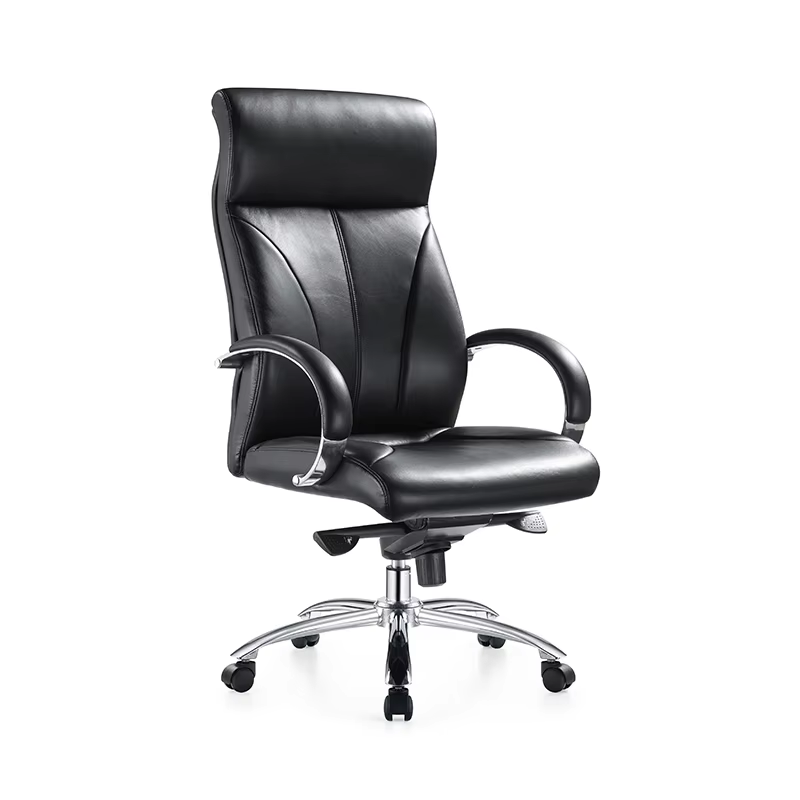
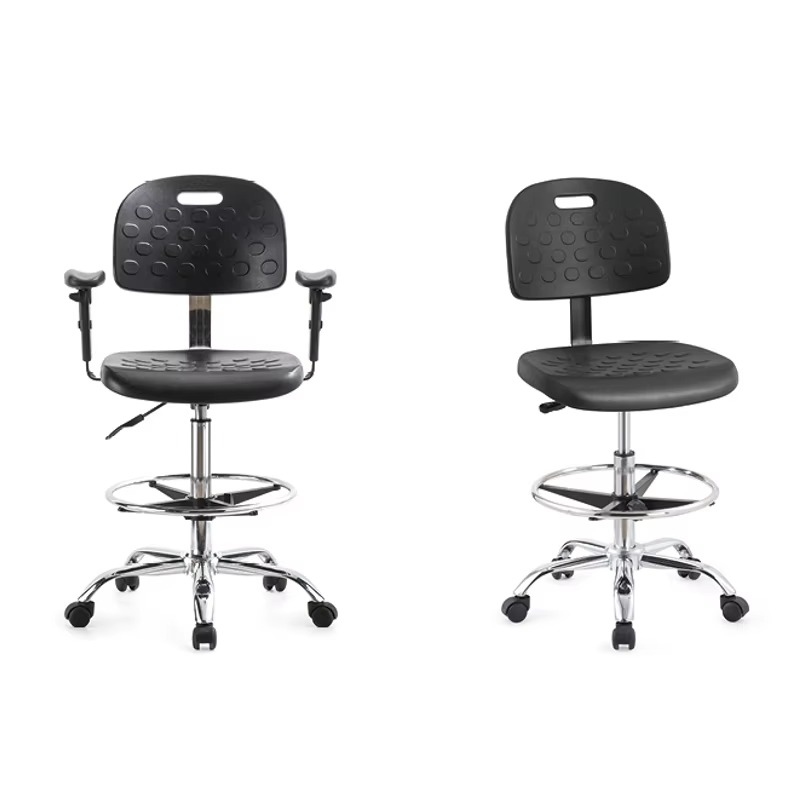
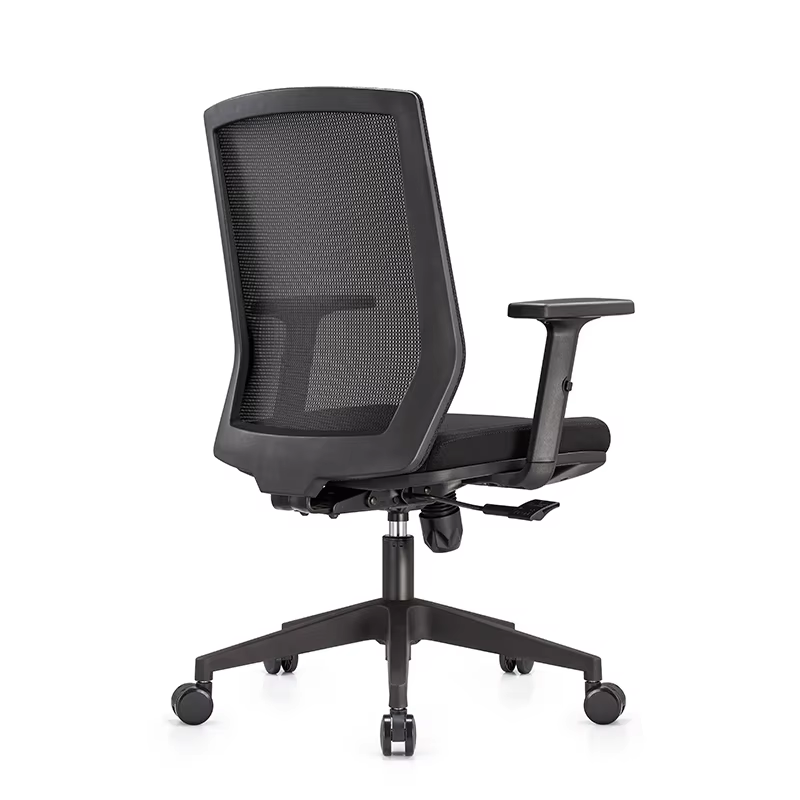
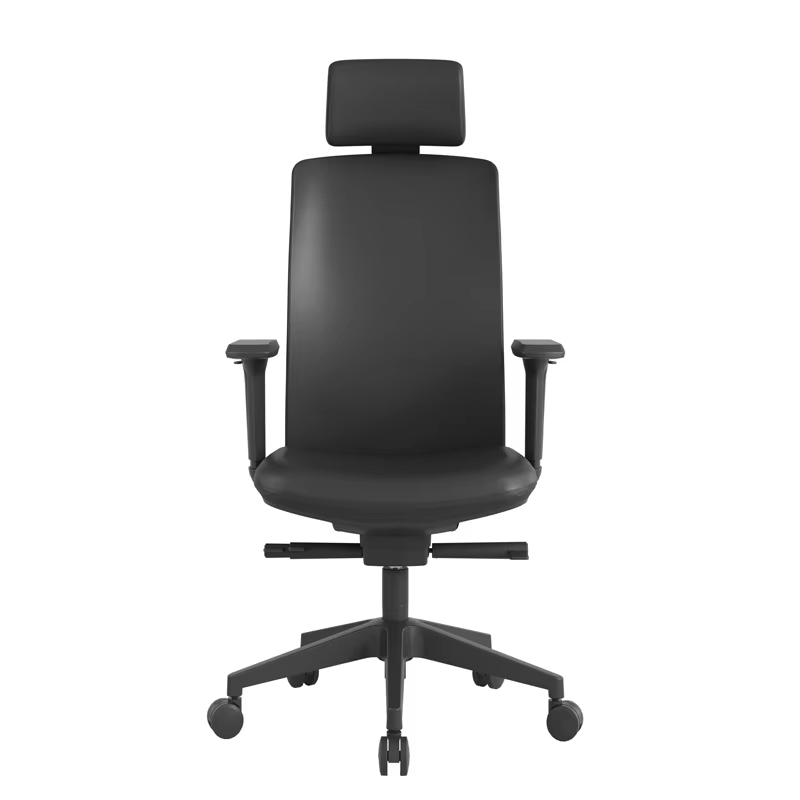
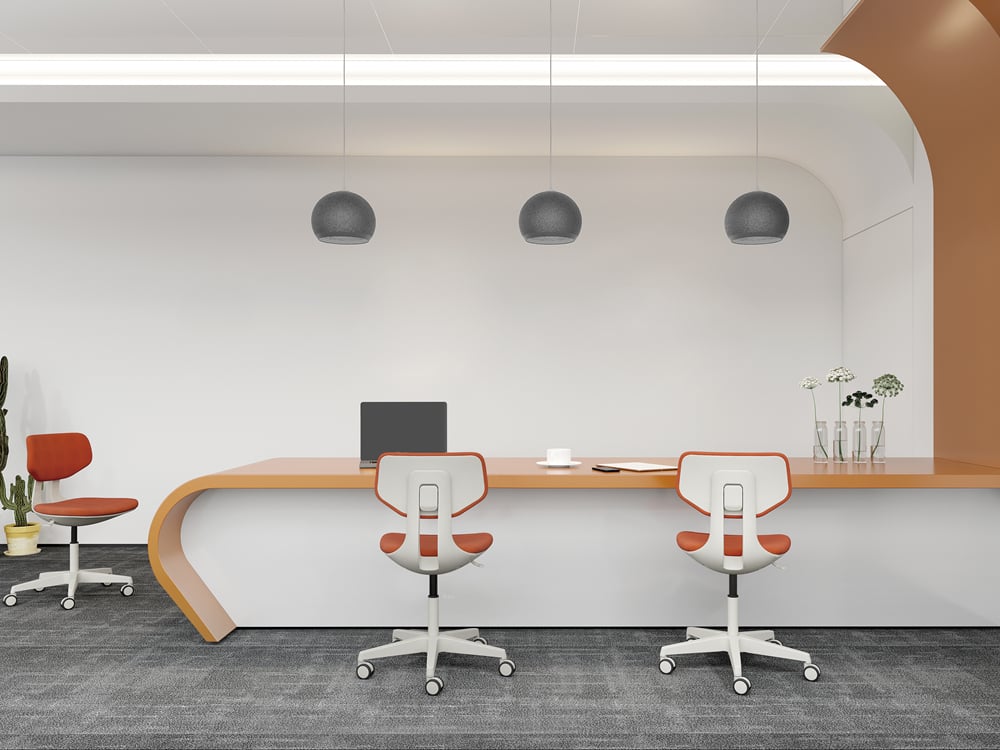
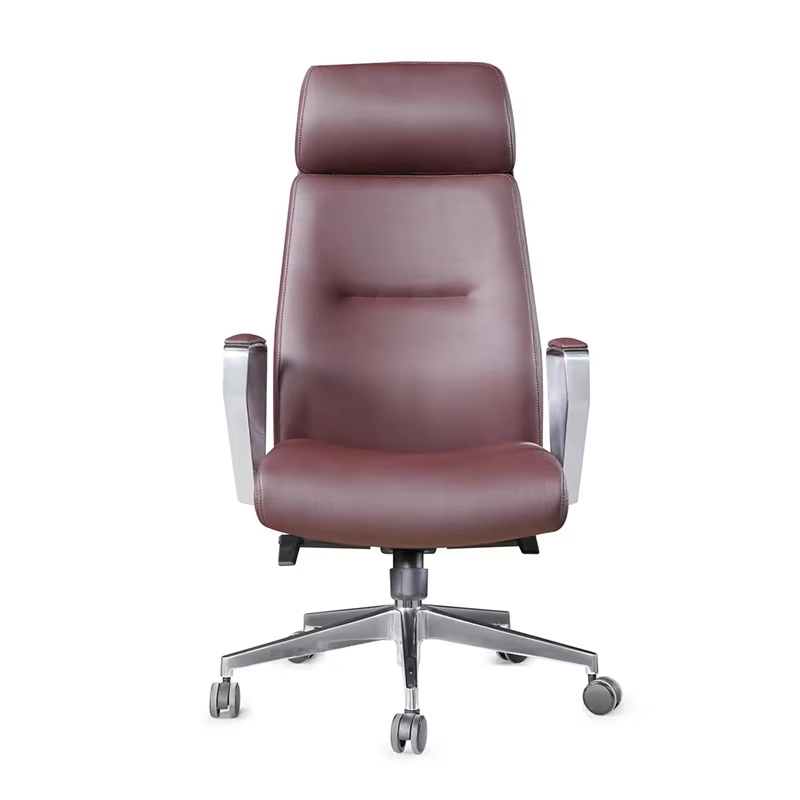
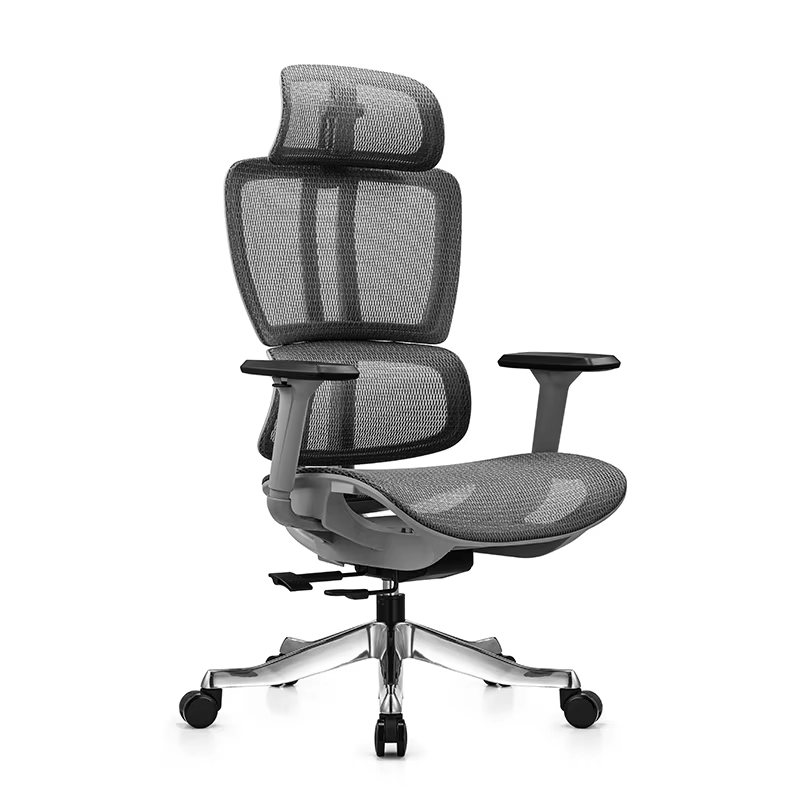
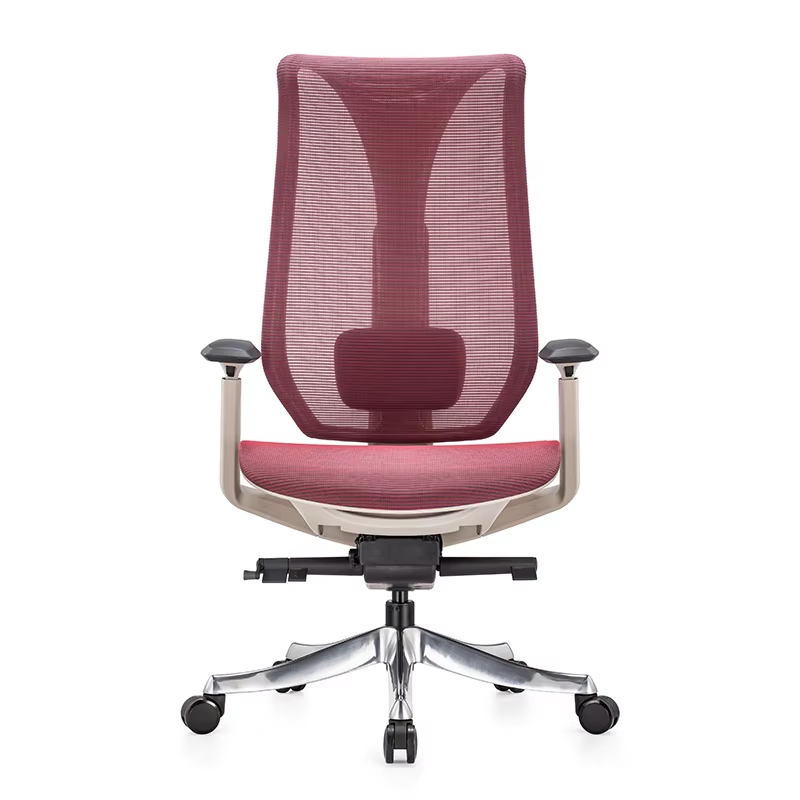
Sourcing the right executive chair for offices and commercial projects requires a strategic approach that balances quality, functionality, and budget considerations. Whether you're outfitting a corporate headquarters, designing a modern workspace, or managing multiple commercial installations, understanding the procurement process for executive chairs can significantly impact project success and long-term user satisfaction.
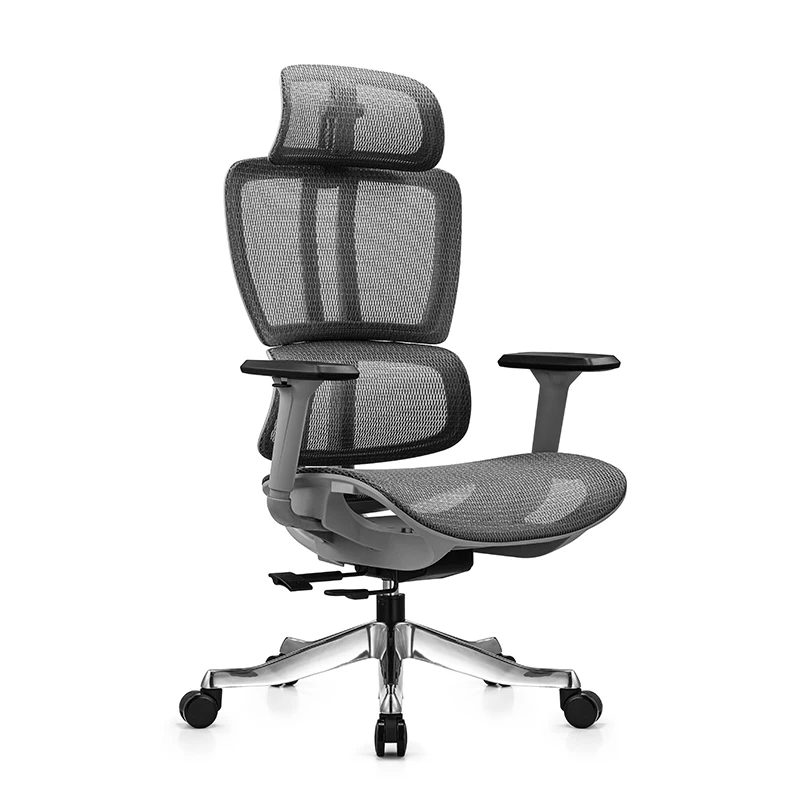
The sourcing process for executive chairs involves multiple decision points that directly affect workplace productivity, brand image, and operational costs. From initial specification development to final delivery and installation, each step requires careful planning and vendor evaluation to ensure the selected executive chair meets both immediate functional needs and long-term performance expectations in demanding commercial environments.
Understanding Executive Chair Requirements for Commercial Projects
Defining Functional Specifications
The foundation of successful executive chair sourcing begins with clearly defining functional requirements that align with intended usage patterns. Executive chair specifications must account for daily usage duration, user weight ranges, and specific ergonomic features required for executive-level comfort and professional appearance. These chairs typically feature premium materials, advanced adjustment mechanisms, and sophisticated design elements that distinguish them from standard office seating.
Commercial projects demand executive chairs that can withstand intensive use while maintaining their aesthetic appeal and functional integrity over extended periods. Key functional considerations include lumbar support adjustability, armrest customization, seat depth accommodation, and swivel mechanism durability. The executive chair must also integrate seamlessly with existing office furniture and architectural design themes to create cohesive workspace environments.
Professional specifications should also address fire safety standards, environmental certifications, and accessibility compliance requirements that are mandatory for commercial installations. These regulatory considerations significantly influence vendor selection and product availability, making early specification development crucial for project timeline management.
Establishing Quality and Performance Standards
Quality standards for executive chairs in commercial projects extend beyond basic functionality to encompass durability testing, warranty provisions, and manufacturer reputation. Each executive chair must demonstrate proven performance through industry-standard testing protocols, including weight capacity verification, mechanism cycling tests, and material degradation resistance under accelerated aging conditions.
Performance benchmarks should address user comfort metrics, adjustment range specifications, and maintenance requirements that impact long-term operational costs. The executive chair selection process must evaluate these performance indicators against project budget constraints and expected service life to optimize total cost of ownership calculations.
Establishing clear quality thresholds early in the sourcing process enables effective vendor comparison and helps prevent specification creep that can compromise project budgets and delivery schedules. Documentation of these standards also facilitates quality control during manufacturing and delivery phases.
Identifying and Evaluating Executive Chair Suppliers
Supplier Research and Qualification Process
Effective supplier identification for executive chairs requires comprehensive market research that evaluates manufacturer capabilities, product portfolios, and commercial project experience. The qualification process should assess supplier financial stability, production capacity, and quality management systems to ensure reliable project execution and ongoing support availability.
Supplier evaluation criteria must include manufacturing facility certifications, environmental compliance records, and intellectual property protections that are essential for commercial procurement. The executive chair sourcing process benefits from engaging multiple qualified suppliers to maintain competitive pricing and ensure backup options for critical project components.
Regional supplier considerations include shipping logistics, local support availability, and currency exchange implications that can significantly impact total project costs. Establishing relationships with both domestic and international suppliers provides flexibility in managing cost pressures and delivery requirements across different project phases.
Conducting Supplier Capability Assessment
Supplier capability assessment for executive chair procurement involves detailed evaluation of production processes, quality control procedures, and customization capabilities. This assessment should include facility audits, reference customer interviews, and sample product evaluations to verify supplier claims and identify potential performance risks.
Technical capability evaluation must address the supplier's ability to meet specific executive chair requirements, including custom upholstery options, color matching capabilities, and special mechanism configurations. The assessment process should also verify supplier capacity to handle large-volume orders while maintaining consistent quality and delivery schedules.
Documentation requirements include supplier certifications, quality management system records, and previous project case studies that demonstrate successful executive chair delivery for similar commercial applications. This documentation supports risk mitigation and provides benchmarks for ongoing performance monitoring throughout the procurement relationship.
Managing the Procurement Process
Request for Proposal Development
Developing comprehensive requests for proposals ensures that potential executive chair suppliers receive clear project requirements and evaluation criteria. The RFP document must specify technical requirements, delivery schedules, payment terms, and performance guarantees that align with project objectives and risk tolerance levels.
Effective RFP development includes detailed executive chair specifications, quantity requirements, and delivery location information that enables accurate cost estimation and logistics planning. The document should also outline evaluation methodology, selection timeline, and contract terms to establish clear expectations for all participating suppliers.
Including prototype or sample requirements in the RFP allows for physical evaluation of executive chair quality and functionality before final selection. This approach reduces specification misunderstandings and provides opportunity for requirement refinement based on actual product assessment.
Supplier Selection and Contract Negotiation
The supplier selection process for executive chairs should employ structured evaluation criteria that weigh technical compliance, commercial terms, and supplier capability factors. Objective scoring methodologies help ensure fair comparison and provide documentation for selection rationale that may be required for internal approvals or audit purposes.
Contract negotiation must address key commercial terms including pricing structure, delivery schedules, quality guarantees, and change order procedures. Executive chair procurement contracts should also specify inspection procedures, acceptance criteria, and remedy provisions for non-conforming deliveries that protect project interests.
Risk mitigation provisions in executive chair supply contracts include delivery insurance, performance bonds, and warranty extensions that provide protection against supplier default or product performance issues. These provisions are particularly important for large commercial projects where delays or quality problems can have significant cost and schedule implications.
Quality Control and Project Management
Pre-Production Approval Process
Implementing pre-production approval procedures ensures that executive chair manufacturing meets specified requirements before full production commitment. This process typically includes prototype approval, material confirmation, and production sample verification that validate supplier understanding of project requirements.
Pre-production approvals should address all executive chair components including frame materials, upholstery fabrics, mechanism specifications, and finishing details. Documentation of approved specifications provides reference standards for production quality control and delivery acceptance procedures.
Timeline management during pre-production phases requires coordination between design approvals, supplier production scheduling, and project delivery requirements. Effective planning accounts for potential revision cycles and maintains critical path schedule integrity throughout the approval process.
Delivery Coordination and Installation Management
Coordinating executive chair deliveries for commercial projects requires detailed logistics planning that addresses site access, storage requirements, and installation sequencing. Delivery management must account for building restrictions, elevator capacity, and workspace disruption minimization during installation phases.
Installation management includes unpacking procedures, quality inspection protocols, and disposal of packaging materials in accordance with site environmental requirements. Executive chair installation teams should be trained on proper assembly procedures and equipped with necessary tools to ensure consistent installation quality across all units.
Post-installation procedures include final quality inspections, user orientation sessions, and warranty registration processes that ensure proper executive chair setup and user satisfaction. Documentation of completed installations provides baseline records for future maintenance and warranty service requirements.
FAQ
What are the key factors to consider when sourcing executive chairs for large commercial projects?
Key factors include establishing clear functional specifications, evaluating supplier capabilities and certifications, developing comprehensive procurement documentation, and implementing quality control procedures throughout the sourcing process. Commercial projects also require attention to regulatory compliance, delivery logistics, and long-term maintenance considerations that impact total cost of ownership.
How do I ensure consistent quality when ordering multiple executive chairs?
Ensure consistent quality by implementing pre-production approval processes, requiring production samples, establishing clear quality standards in purchase contracts, and conducting regular factory inspections. Maintain detailed specification documentation and require supplier adherence to documented manufacturing procedures throughout production runs.
What timeline should I expect for executive chair sourcing and delivery?
Typical timelines range from 8-16 weeks depending on customization requirements, order quantities, and supplier locations. This includes 2-4 weeks for specification development and supplier selection, 2-4 weeks for pre-production approvals, 4-8 weeks for manufacturing, and additional time for shipping and installation coordination.
How can I manage costs effectively when sourcing executive chairs for commercial projects?
Manage costs through competitive bidding processes, volume pricing negotiations, standardized specifications to reduce customization costs, and consideration of total cost of ownership including maintenance and warranty factors. Early supplier engagement and flexible delivery schedules can also provide cost optimization opportunities.


