
 EN
EN
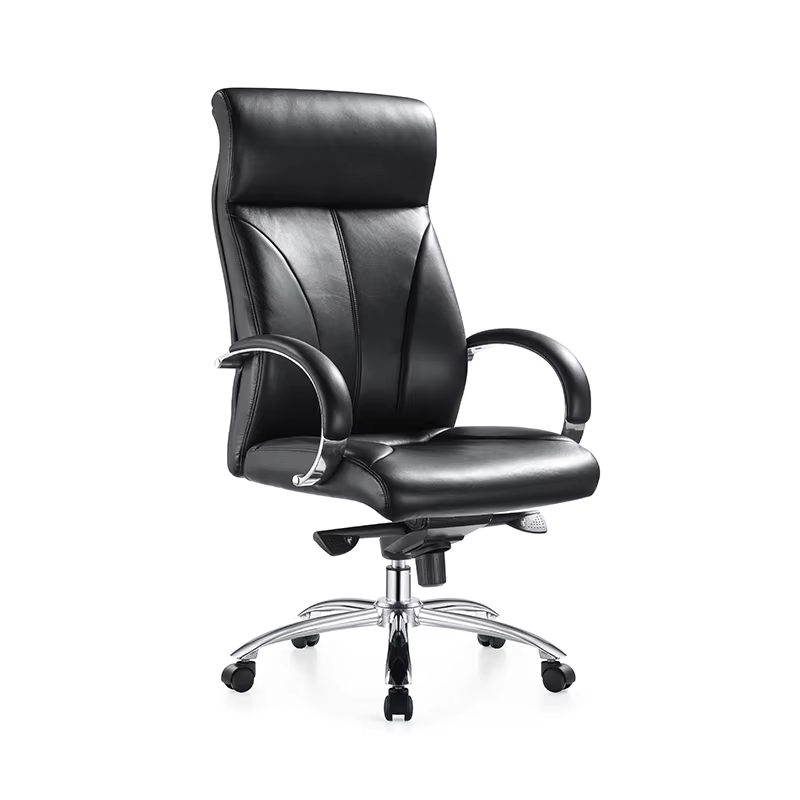
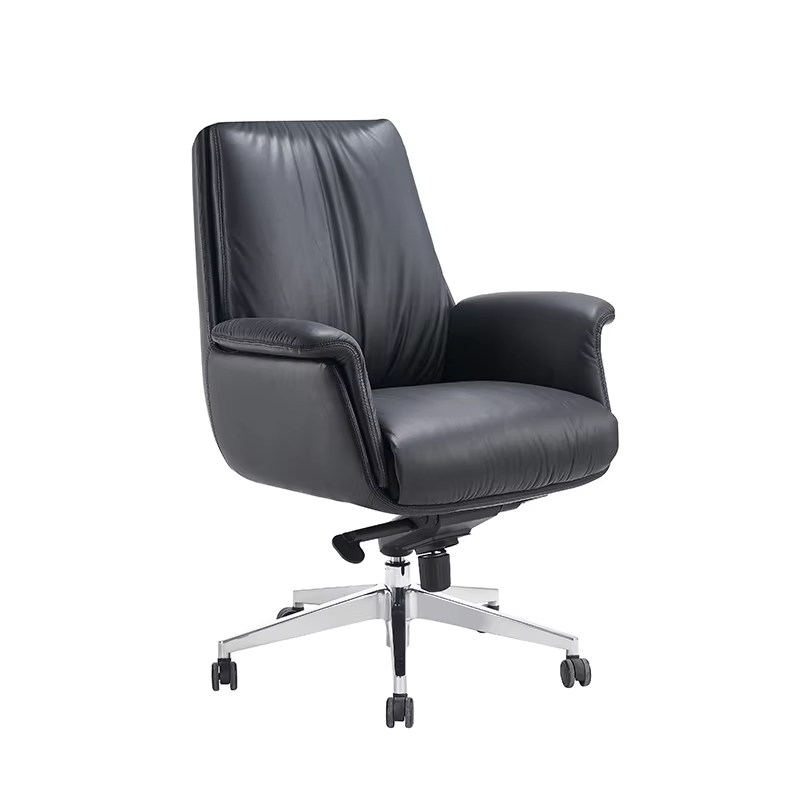
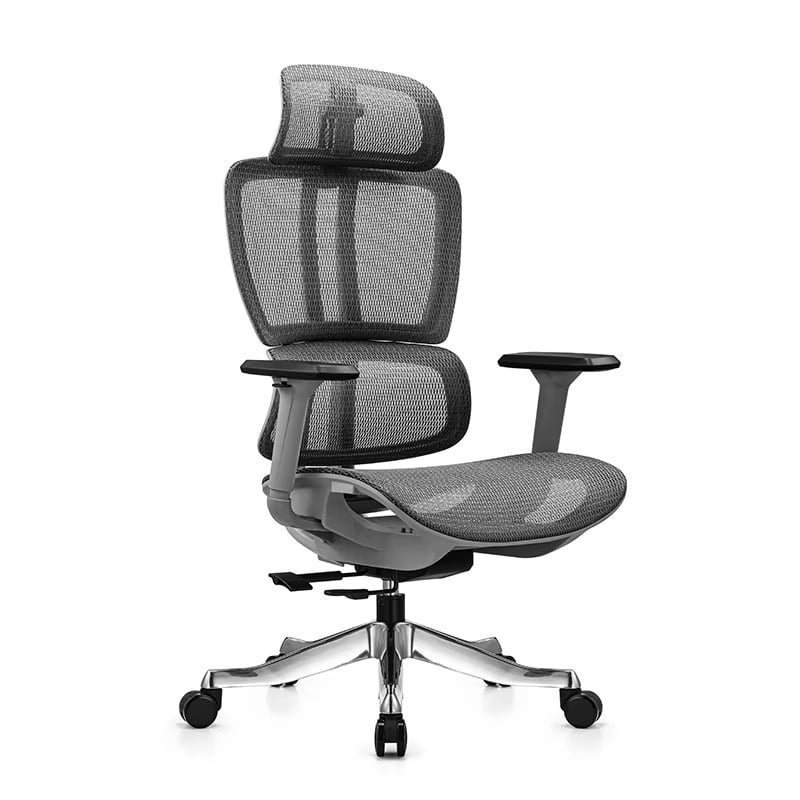
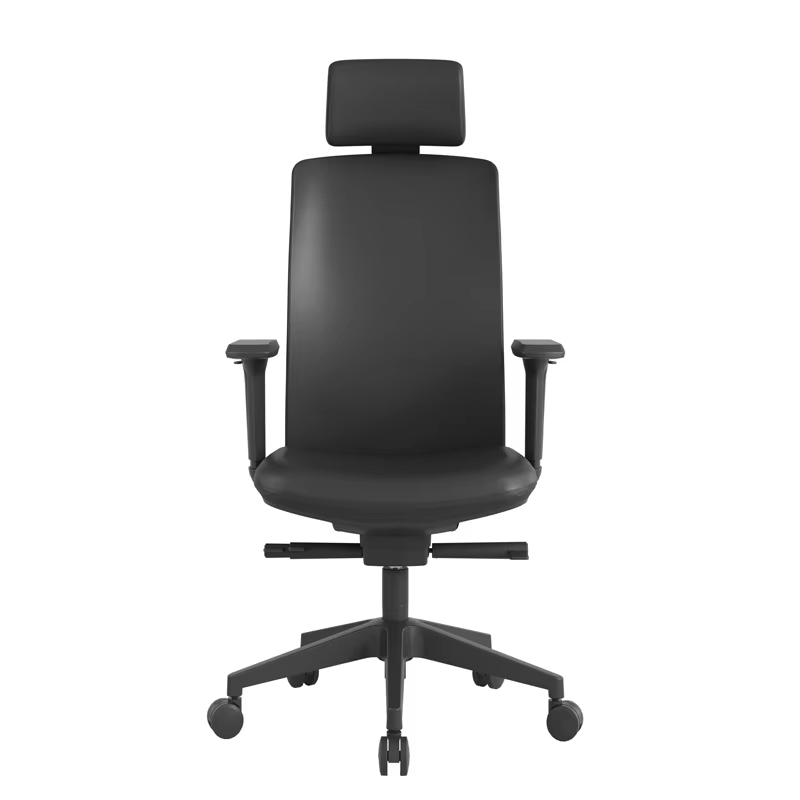
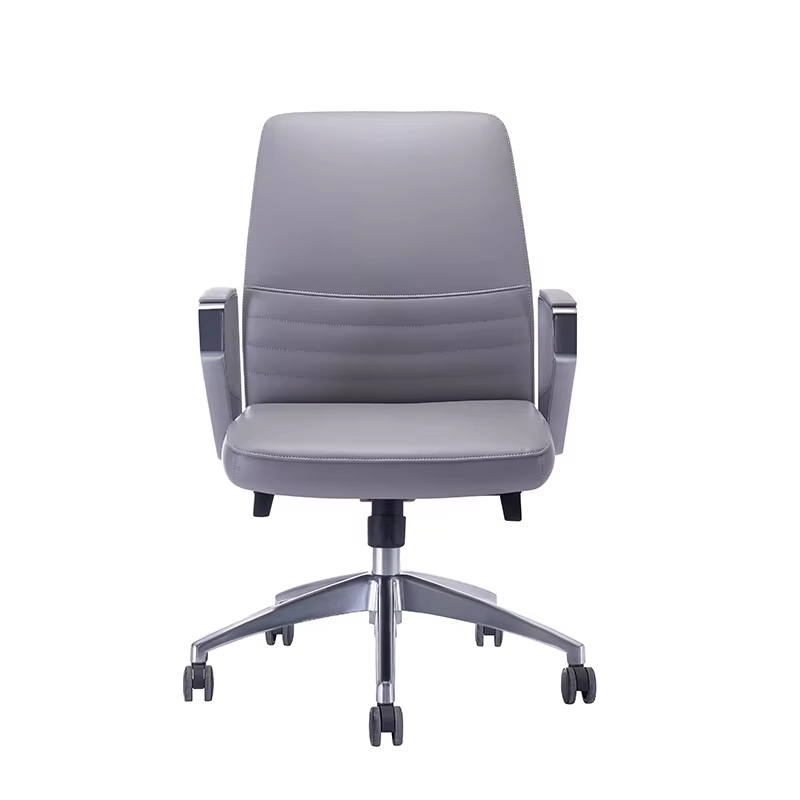
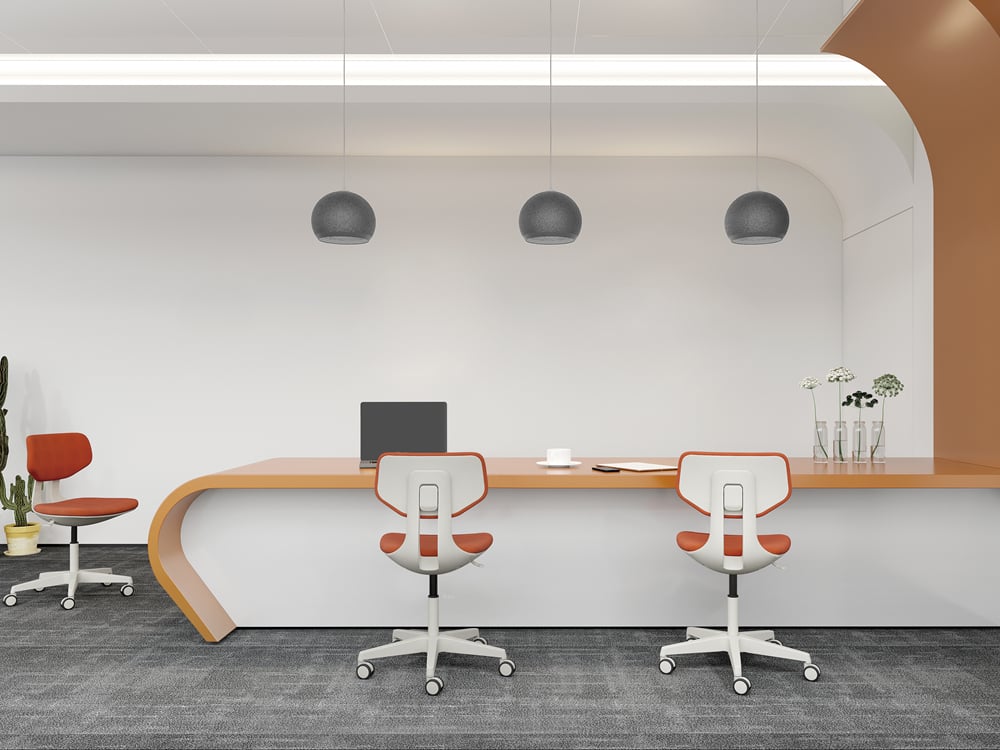
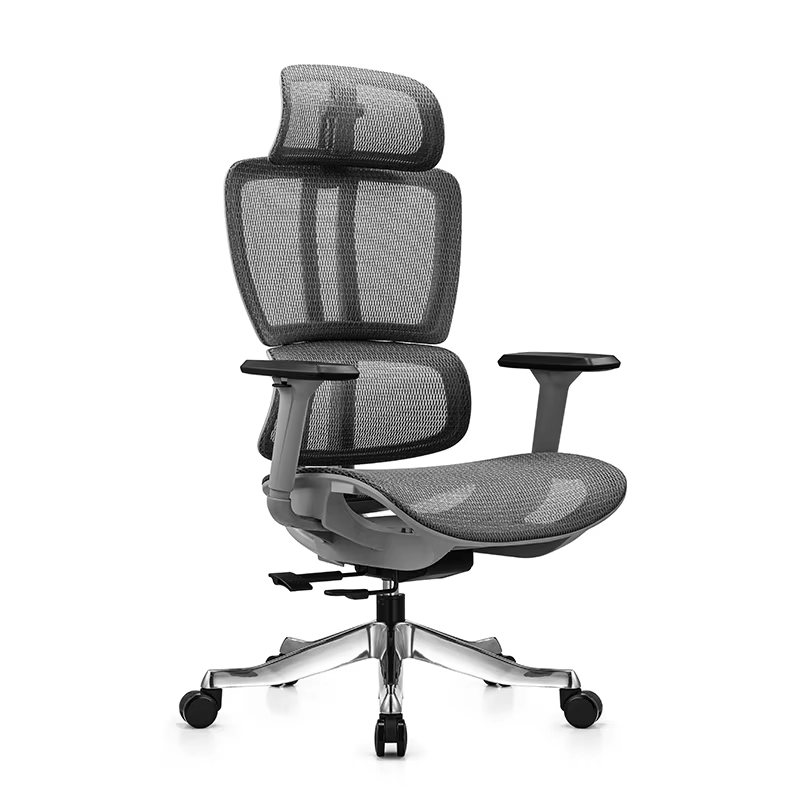
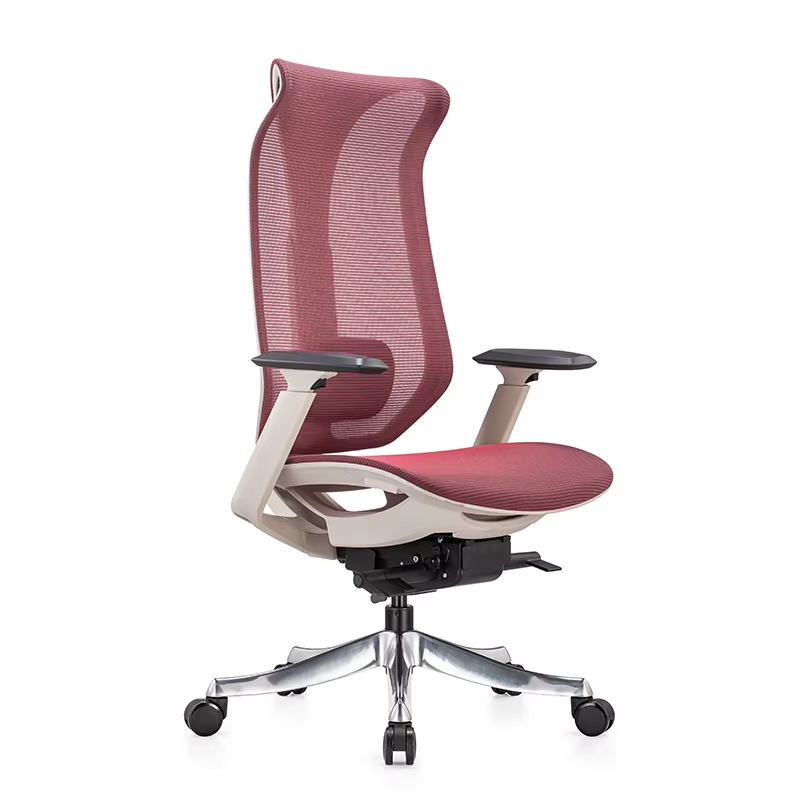
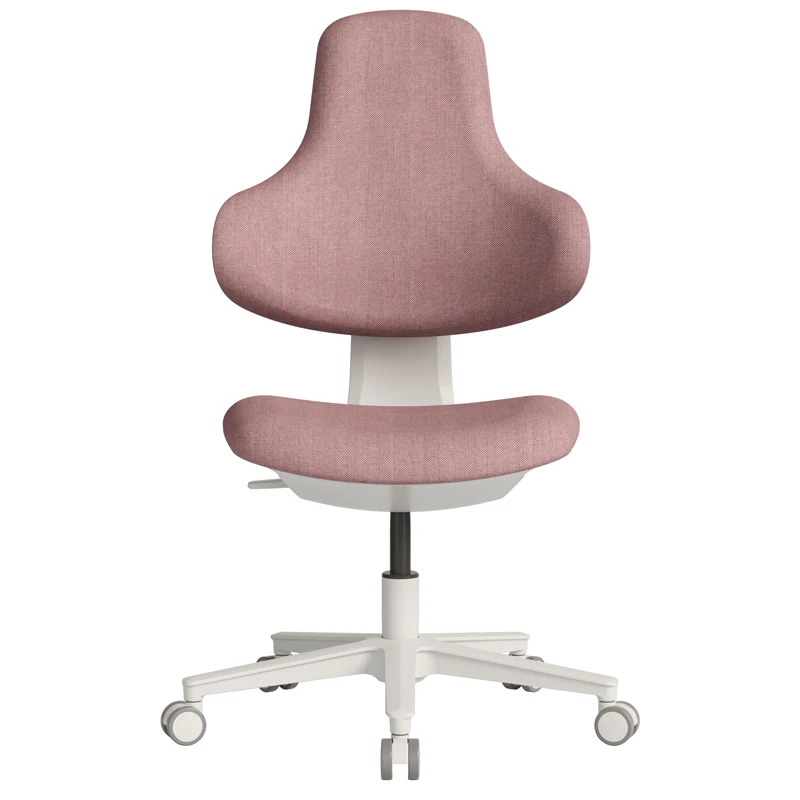
The modern workplace has undergone a dramatic transformation, with millions of professionals now operating from dedicated home offices. This shift has made the selection of an appropriate home office chair more critical than ever before. Comfort emerges as the primary consideration when choosing seating solutions for extended work periods, directly impacting productivity, health, and overall job satisfaction. Understanding why comfort takes precedence in home office chair selection requires examining the multifaceted relationship between ergonomic design, physical well-being, and professional performance.
The Physical Foundation of Workplace Productivity
Musculoskeletal Health and Prolonged Sitting
Extended periods of sitting place significant stress on the human body, particularly affecting the spine, neck, and lower extremities. A comfortable home office chair serves as the first line of defense against developing chronic pain conditions that plague remote workers. Research indicates that improper seating contributes to over 80% of workplace-related musculoskeletal disorders, making comfort not just a luxury but a necessity for maintaining long-term physical health.
The biomechanics of seated work require specific support mechanisms to maintain natural spinal curvature and reduce pressure points. When selecting a home office chair, comfort translates directly to proper lumbar support, adequate seat depth, and appropriate armrest positioning. These elements work synergistically to distribute body weight evenly, preventing the development of pressure sores and reducing fatigue that accumulates throughout the workday.
Circulation and Energy Management
Comfortable seating promotes healthy blood circulation, which is essential for maintaining energy levels and cognitive function during work hours. An uncomfortable home office chair restricts blood flow to the legs and feet, leading to numbness, swelling, and decreased concentration. Proper seat cushioning and edge design ensure that circulation remains unimpeded, allowing workers to maintain focus and productivity for extended periods.
Temperature regulation also plays a crucial role in comfort, as materials that trap heat can cause discomfort and distraction. Breathable fabrics and mesh materials in a quality home office chair allow for air circulation, preventing overheating and maintaining optimal body temperature throughout the workday. This seemingly minor comfort factor significantly impacts overall work experience and performance.
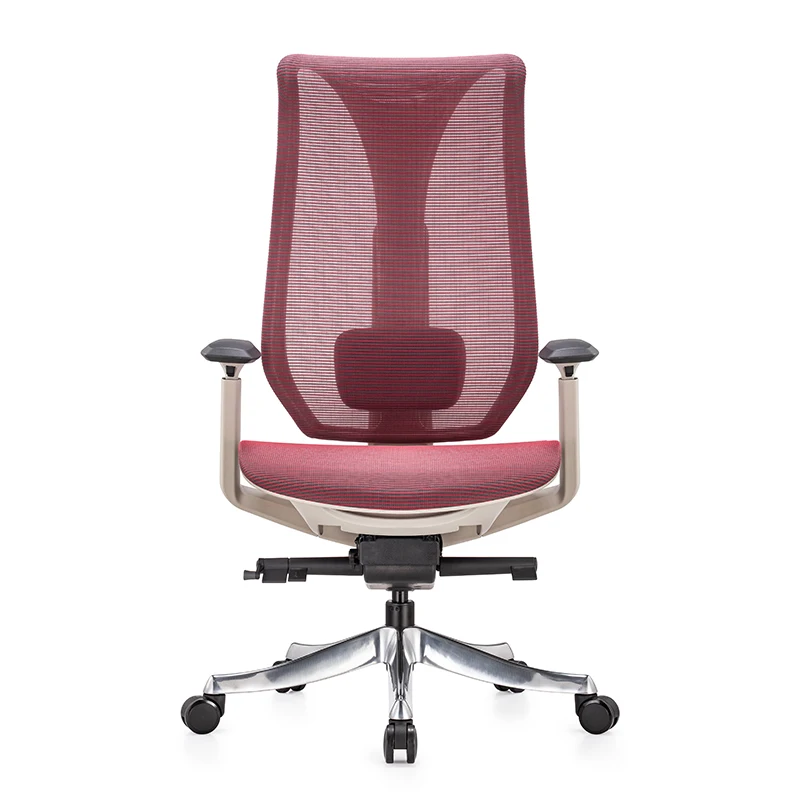
Psychological Impact of Comfort on Work Performance
Stress Reduction and Mental Well-being
The psychological benefits of a comfortable home office chair extend far beyond physical relief. Chronic discomfort creates a constant source of low-level stress that can accumulate throughout the day, affecting mood, decision-making capabilities, and overall mental well-being. When workers are not distracted by physical discomfort, they can maintain better focus on tasks and experience reduced stress levels.
Studies in environmental psychology demonstrate that physical comfort directly correlates with job satisfaction and emotional stability. A well-designed home office chair contributes to creating a positive work environment that supports mental health and reduces the risk of burnout. This is particularly important for remote workers who may already face challenges related to isolation and work-life balance.
Cognitive Function and Decision Making
Comfort significantly influences cognitive performance, including memory retention, problem-solving abilities, and creative thinking. When the body is properly supported by an ergonomic home office chair, the brain can allocate more resources to cognitive tasks rather than managing discomfort signals. This improved mental clarity leads to better decision-making and enhanced work quality.
The distraction caused by an uncomfortable seating arrangement can fragment attention and reduce the ability to enter flow states necessary for deep work. A comfortable home office chair eliminates these interruptions, allowing for sustained concentration and improved work output quality.
Economic Implications of Comfort-Driven Chair Selection
Healthcare Cost Prevention
Investing in a comfortable home office chair represents a proactive approach to healthcare cost management. The expenses associated with treating back pain, neck strain, and repetitive stress injuries can far exceed the initial investment in quality seating. Healthcare professionals frequently recommend ergonomic office furniture as a preventive measure against work-related injuries that require ongoing medical intervention.
Insurance companies increasingly recognize the value of ergonomic workplace equipment, with some policies offering reimbursement for home office chair purchases that meet specific comfort and safety standards. This acknowledgment reflects the growing understanding of how proper seating contributes to overall health maintenance and injury prevention in remote work environments.
Productivity ROI and Professional Performance
The return on investment for a comfortable home office chair becomes evident through improved productivity metrics and reduced sick leave. Workers who experience physical comfort report higher job satisfaction, increased focus duration, and better overall performance ratings. These improvements translate directly to career advancement opportunities and income potential.
Time management also improves when workers are not dealing with discomfort-related interruptions. A comfortable seating solution eliminates the need for frequent position changes, stretching breaks, and pain management activities that can fragment work sessions. This efficiency gain compounds over time, resulting in significant productivity improvements.
Technical Features That Define Comfort
Adjustability and Customization Options
Modern comfort standards for a home office chair require multiple adjustment mechanisms to accommodate individual body types and preferences. Seat height adjustment ensures proper desk alignment and leg positioning, while tilt mechanisms allow for dynamic seating that promotes movement and circulation. Armrest adjustability addresses varying desk heights and personal comfort preferences, making the chair adaptable to different tasks and work styles.
Lumbar support adjustability is particularly crucial, as lower back curves vary significantly among individuals. A comfortable home office chair must provide customizable support that can be positioned to match each user's specific anatomical requirements. This personalization ensures that the chair continues to provide comfort even during extended work sessions.
Material Science and Comfort Engineering
Advanced materials play a critical role in defining comfort levels for modern office seating. Memory foam cushioning adapts to individual body contours while maintaining supportive properties over time. Mesh materials provide breathability and flexibility, allowing for air circulation while maintaining structural integrity. The selection of appropriate materials directly impacts both immediate comfort and long-term durability.
Surface treatments and fabric choices affect skin comfort and temperature regulation throughout the day. High-quality home office chair materials resist wear, maintain their supportive properties, and provide consistent comfort even after years of regular use. This durability ensures that the initial investment in comfort continues to provide value over the chair's lifespan.
Integration with Home Office Environment
Aesthetic Harmony and Professional Appearance
Comfort extends beyond physical considerations to include visual and aesthetic elements that contribute to a professional home office environment. A well-designed home office chair that complements the workspace creates a sense of pride and professionalism that enhances work motivation. The psychological comfort of working in an attractive, well-appointed space contributes to overall job satisfaction and performance.
Video conferencing requirements have made chair appearance increasingly important, as seating often appears in professional video calls. A comfortable home office chair that also presents a professional image supports career advancement and client relationships. This dual functionality of comfort and appearance makes chair selection a strategic decision for remote professionals.
Space Optimization and Mobility
Home office spaces often require furniture that serves multiple functions while maintaining comfort standards. A well-designed home office chair must provide mobility for different tasks while maintaining stability during focused work periods. Caster quality, swivel mechanisms, and overall maneuverability contribute to the functional comfort that supports varied work activities.
Storage integration and space-saving features become important comfort considerations in smaller home offices. Chairs that can be easily adjusted or moved allow for flexible space utilization without compromising seating comfort. This adaptability ensures that comfort is maintained even in challenging spatial constraints common in residential work environments.
FAQ
How does chair comfort directly affect work productivity
Chair comfort directly impacts productivity by reducing physical distractions and pain that can interrupt focus and concentration. A comfortable home office chair eliminates the need for frequent position adjustments and allows workers to maintain sustained attention on tasks. Studies show that ergonomic seating can improve productivity by up to 17% by reducing fatigue and discomfort-related interruptions throughout the workday.
What specific comfort features should I prioritize when selecting a home office chair
Priority comfort features include adjustable lumbar support to maintain proper spinal alignment, seat depth that allows 2-3 inches between the seat edge and knee backs, and armrests that support the forearms without causing shoulder tension. Additionally, breathable materials for temperature regulation and adequate cushioning that maintains support over time are essential for long-term comfort in any home office chair selection.
How long should a comfortable home office chair maintain its supportive properties
A quality home office chair designed for comfort should maintain its supportive properties for 7-10 years with regular use. High-density foam cushioning and durable frame construction ensure that comfort levels remain consistent over time. Regular maintenance, including cleaning and occasional component replacement, can extend the comfort lifespan of a well-constructed office chair even further.
Can an uncomfortable chair cause long-term health problems for remote workers
Yes, prolonged use of an uncomfortable home office chair can lead to chronic back pain, neck strain, poor posture habits, and repetitive stress injuries. These conditions often require medical intervention and can result in decreased work capacity and quality of life. Investing in proper seating comfort is a preventive health measure that can avoid costly medical treatments and work-related disability issues.


